An unhurried school in the fast paced world
This is not a methodology. It is not a philosophy borrowed from elsewhere and applied here. It is something we have been building slowly, from the ground up.
Character of that depth is built through repetition.
The same practice, returned to periodically, until it is no longer something you do but something you are. Our habits framework is the daily path toward that.
The Habits of the Heart
Habits of the Heart
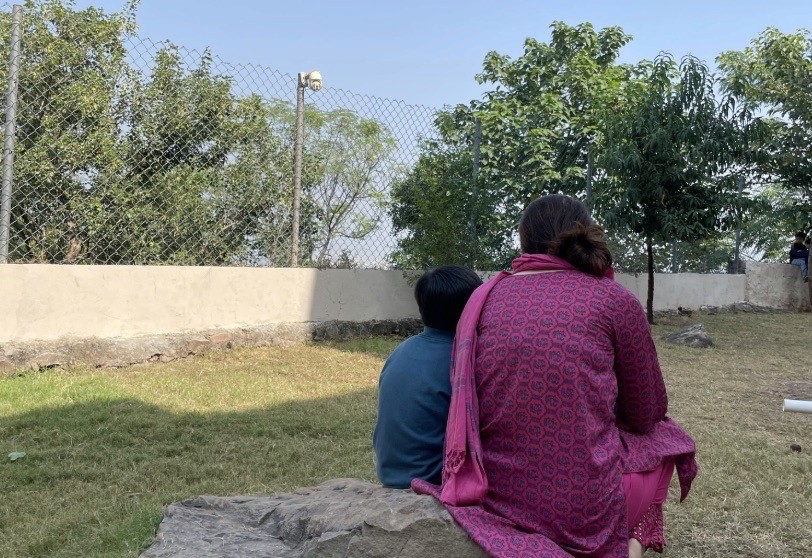
The Habits of the Heart shape a child's inner life. Eight habits, woven into eight periods across the year, returned to in circle and conversation until they become second nature.
The Habits of the Heart shape a child's inner life. Eight habits, woven into eight periods across the year, returned to every year until they become second nature.
Pause Before You React
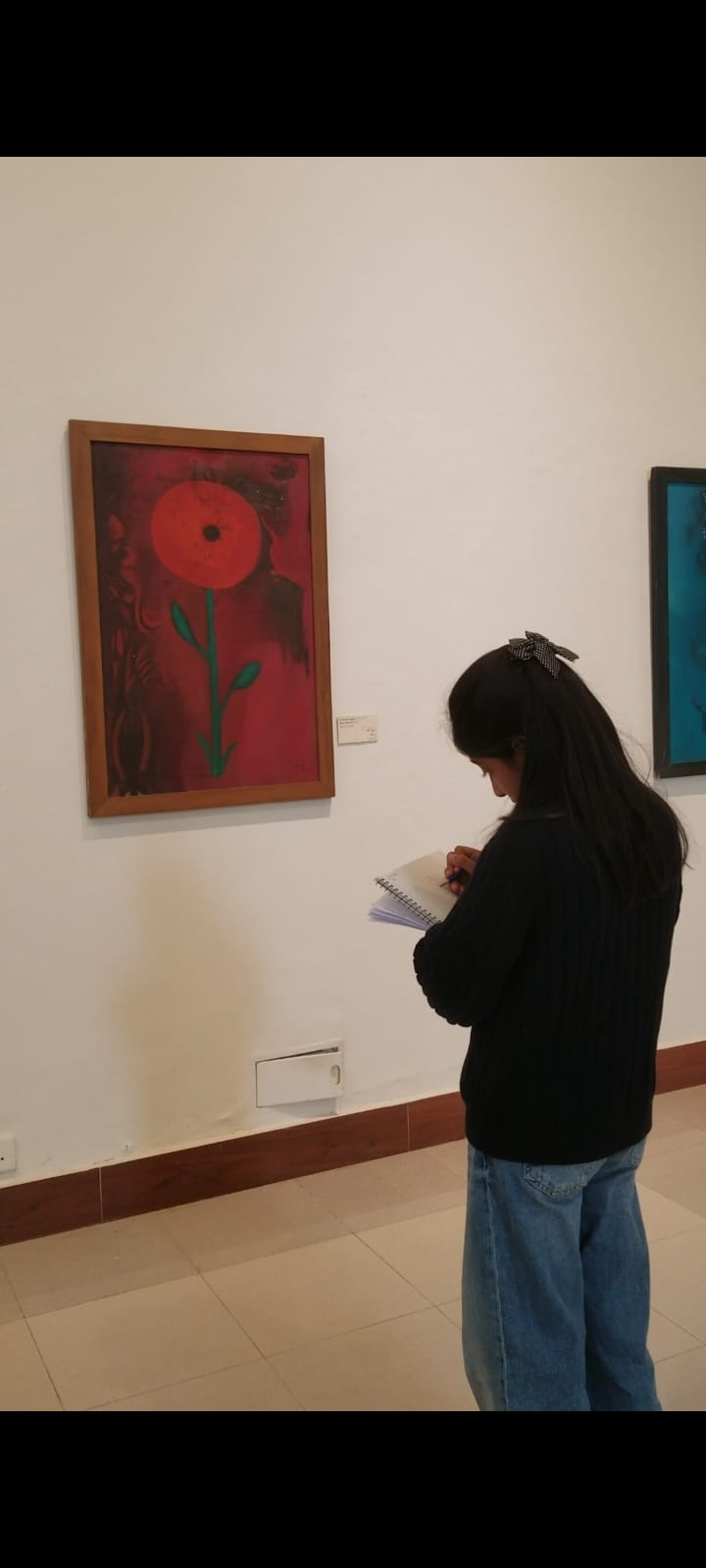
Understand before you act. In a world that rewards speed, it is important to cultivate stillness that enables you to receive knowing.
Keep Peace Inside & Out
Build your emotional steadiness; not the absence of feeling, but the ability to hold feeling without being overwhelmed by it.
Speak to Build, Not Break
Use language with precision and care, not to be a rebel without a cause, but to build meaning alongside others.
Belong and Contribute
Belonging creates obligation, to show up, contribute, and leave a shared place stronger by being part of it.
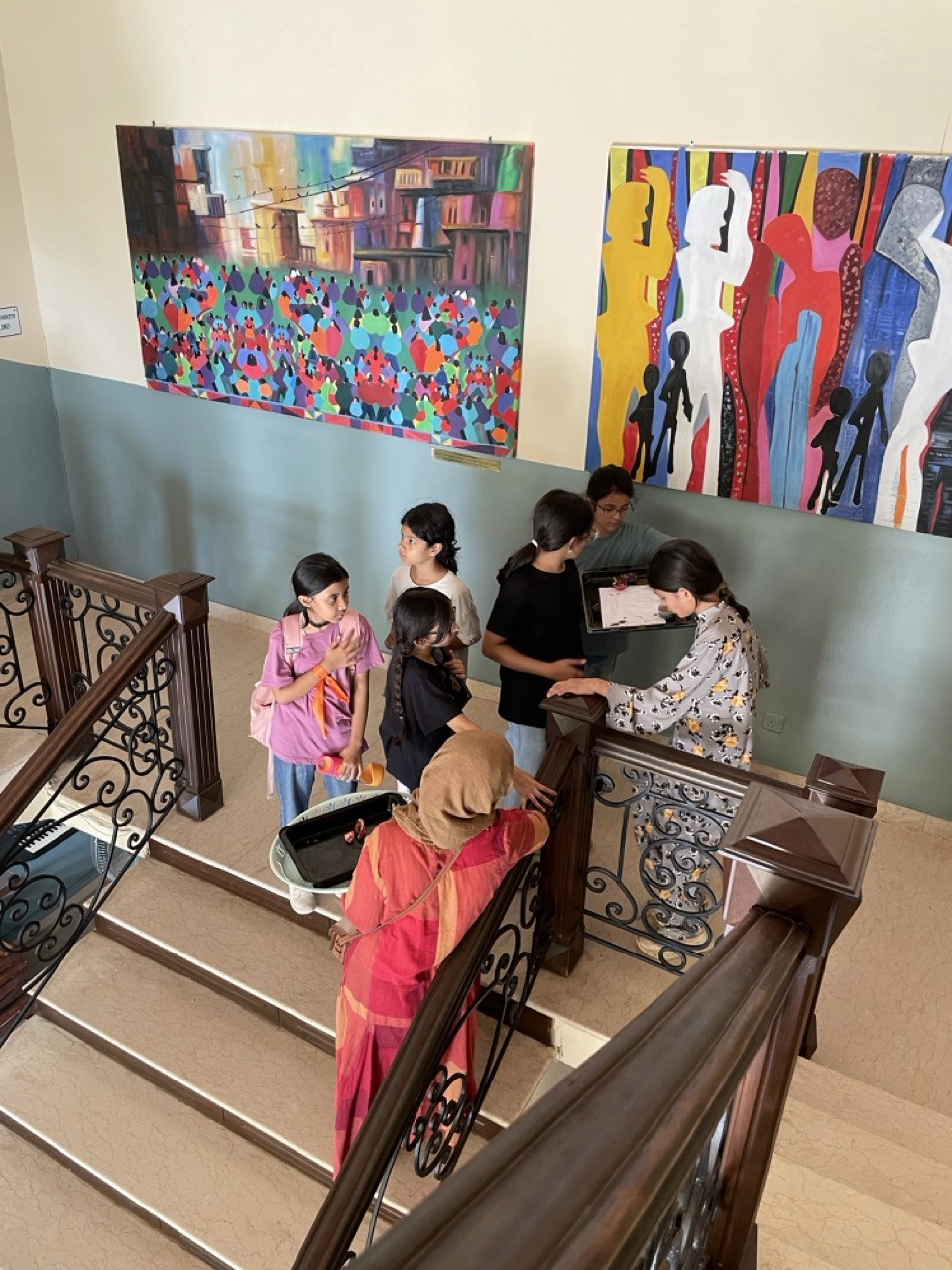
Remain Curious
Make curiosity a practice. If you can be surprised by a question or moved by an idea, you will keep learning.
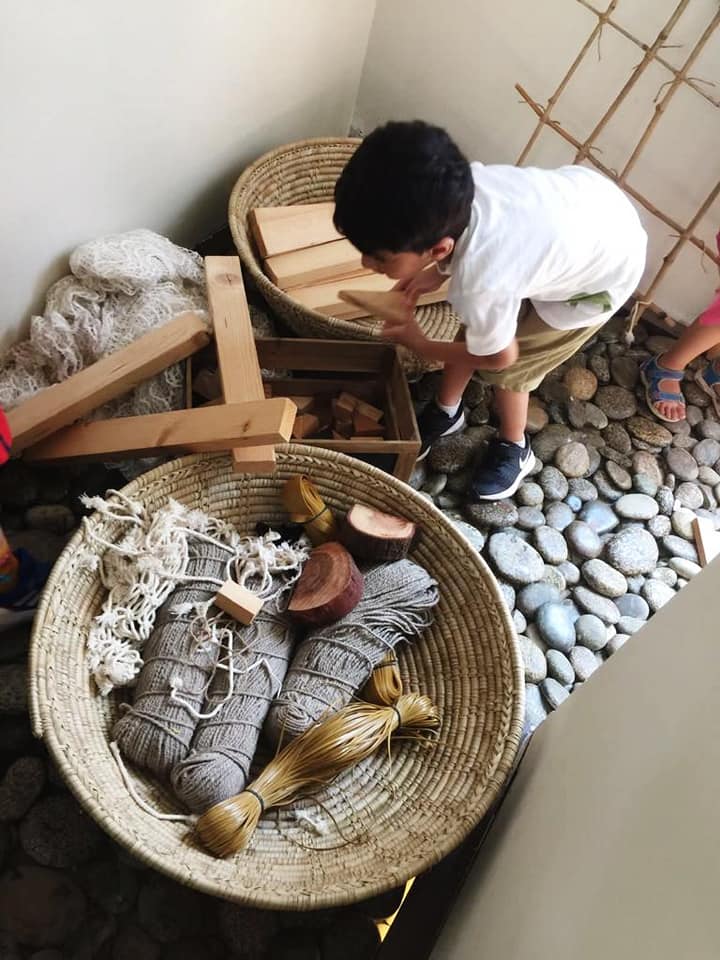
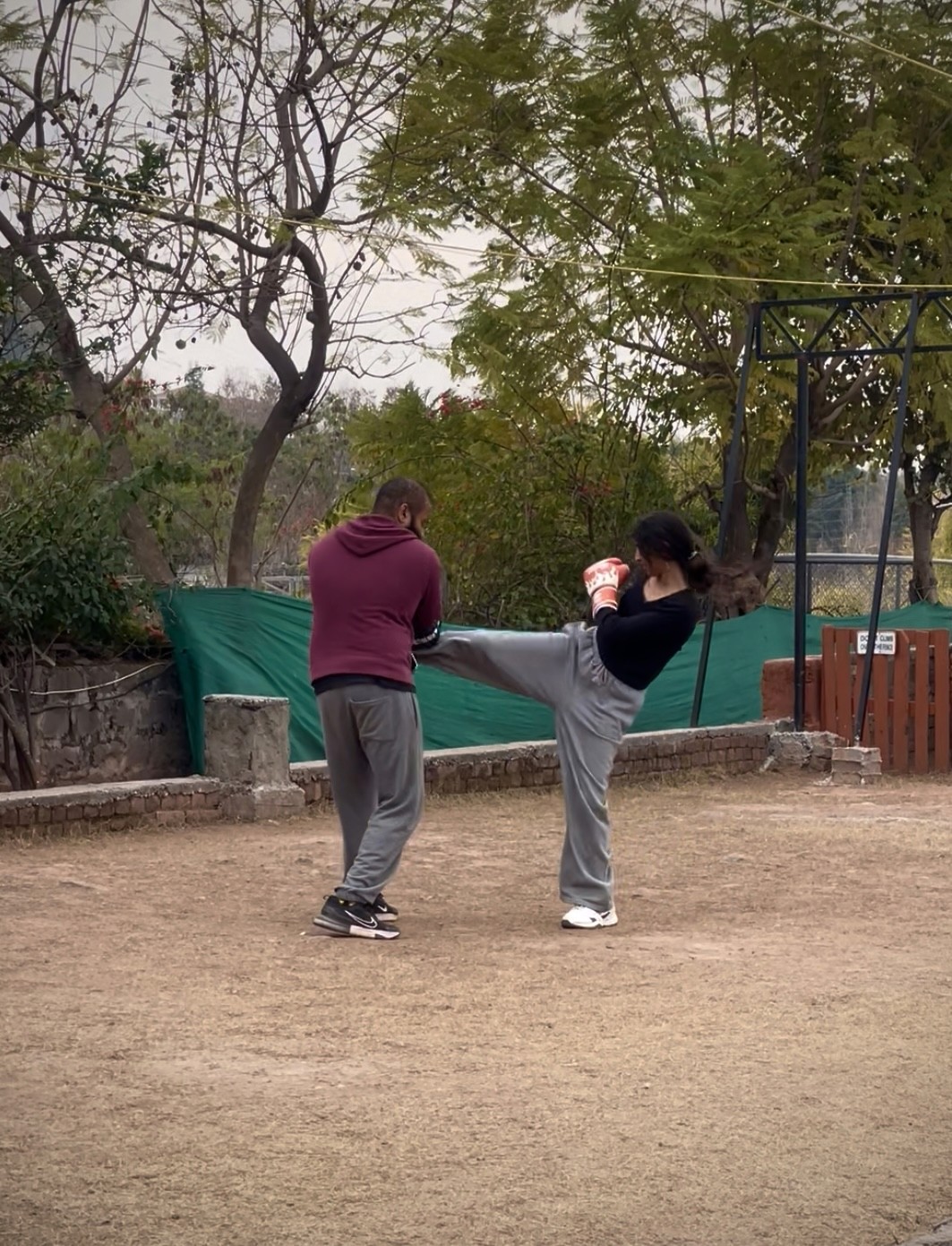
Stay Steady in Struggle
Difficulty is not always a sign that something is wrong. Stay inside hard things long enough to build the inner resources that will help you overcome the difficulty.
Give back more than you take
Notice the needs of others. Contribute to people and spaces around you in meaningful ways.
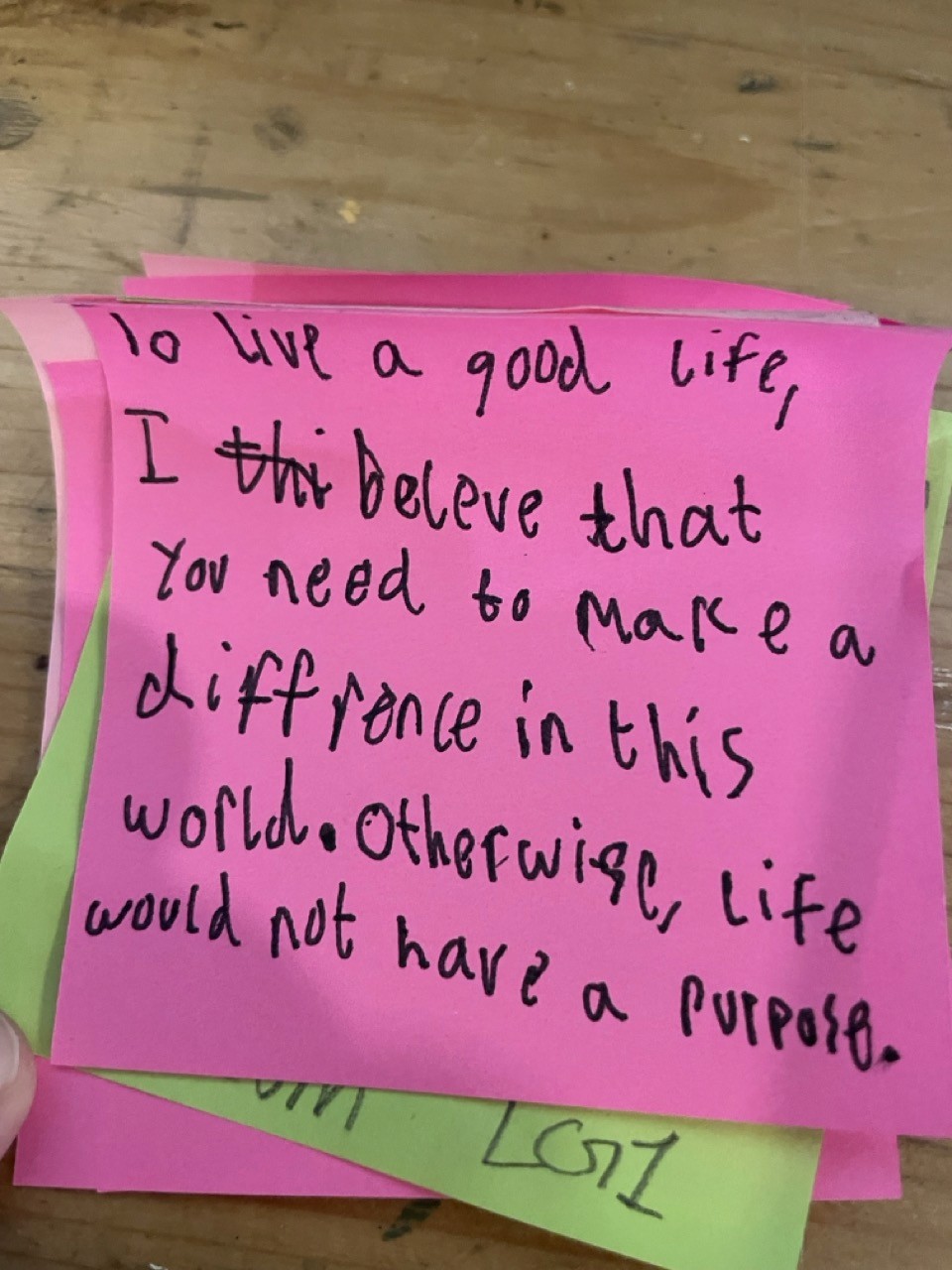
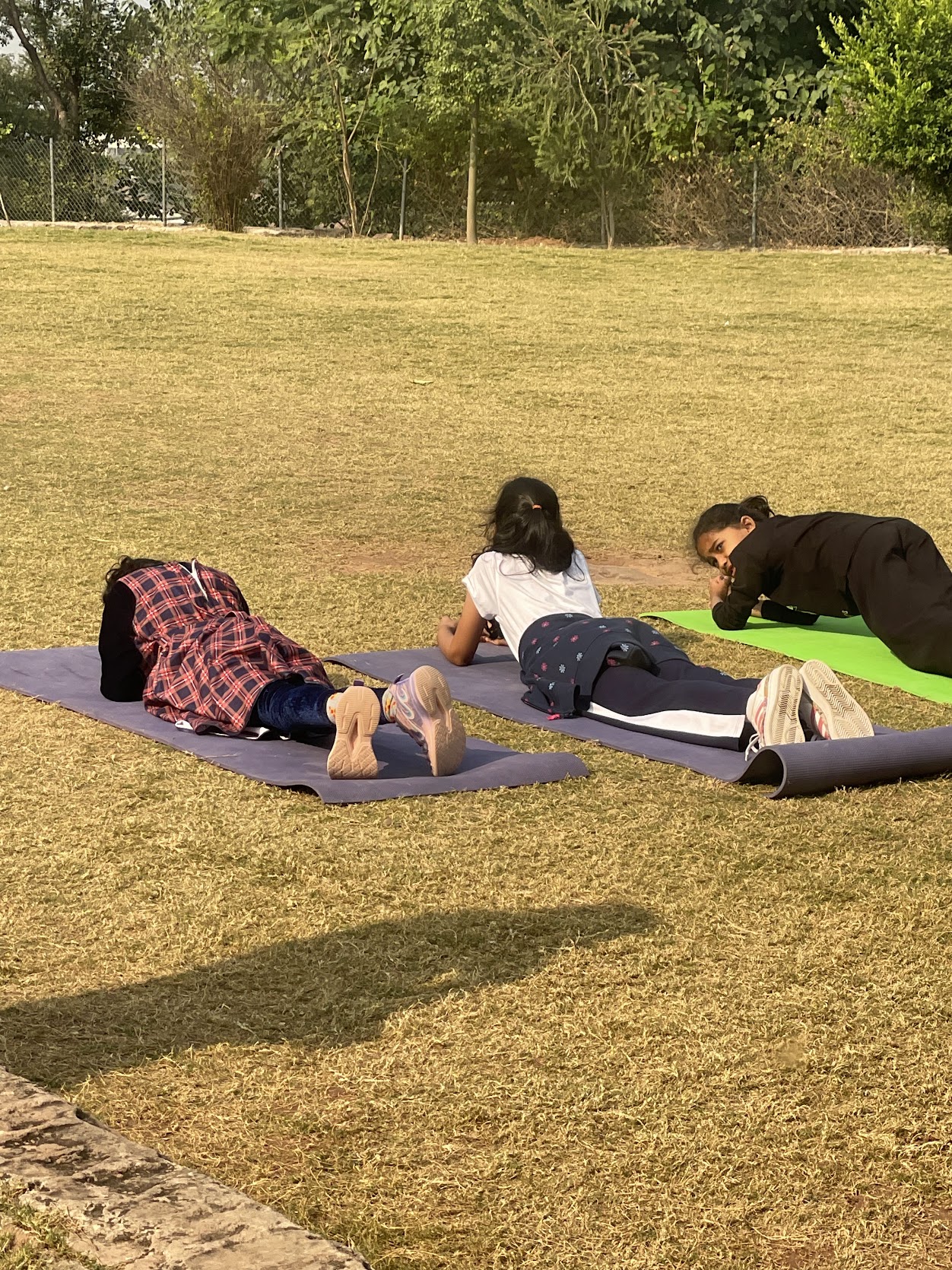
Choose What Lasts
Build your attention to tell the difference between what is loud and what is true, what is urgent and what matters, what fades and what lasts.
Pause Before You React
Understand before you act. In a world that rewards speed, it is important to cultivate stillness that enables you to receive knowing.
Keep Peace Inside & Out
Build your emotional steadiness; not the absence of feeling, but the ability to hold feeling without being overwhelmed by it.
Speak to Build, Not Break
Use language with precision and care, not to be a rebel without a cause, but to build meaning alongside others.
Belong and Contribute
Belonging creates obligation, to show up, contribute, and leave a shared place stronger by being part of it.
Remain Curious
Make curiosity a practice. If you can be surprised by a question or moved by an idea, you will keep learning.
Stay Steady in Struggle
Difficulty is not always a sign that something is wrong. Stay inside hard things long enough to build the inner resources that will help you overcome the difficulty.
Choose What Lasts
Build your attention to tell the difference between what is loud and what is true, what is urgent and what matters, what fades and what lasts.
Give back more than you take
Notice the needs of others. Contribute to people and spaces around you in meaningful ways.
Pause Before You React
Understand before you act. In a world that rewards speed, it is important to cultivate stillness that enables you to receive knowing.
Keep Peace Inside & Out
Build your emotional steadiness; not the absence of feeling, but the ability to hold feeling without being overwhelmed by it.
Speak to Build, Not Break
Use language with precision and care, not to be a rebel without a cause, but to build meaning alongside others.
Belong and Contribute
Belonging creates obligation, to show up, contribute, and leave a shared place stronger by being part of it.
Remain Curious
Make curiosity a practice. If you can be surprised by a question or moved by an idea, you will keep learning.
Stay Steady in Struggle
Difficulty is not always a sign that something is wrong. Stay inside hard things long enough to build the inner resources that will help you overcome the difficulty.
Choose What Lasts
Build your attention to tell the difference between what is loud and what is true, what is urgent and what matters, what fades and what lasts.
Give back more than you take
Notice the needs of others. Contribute to people and spaces around you in meaningful ways.
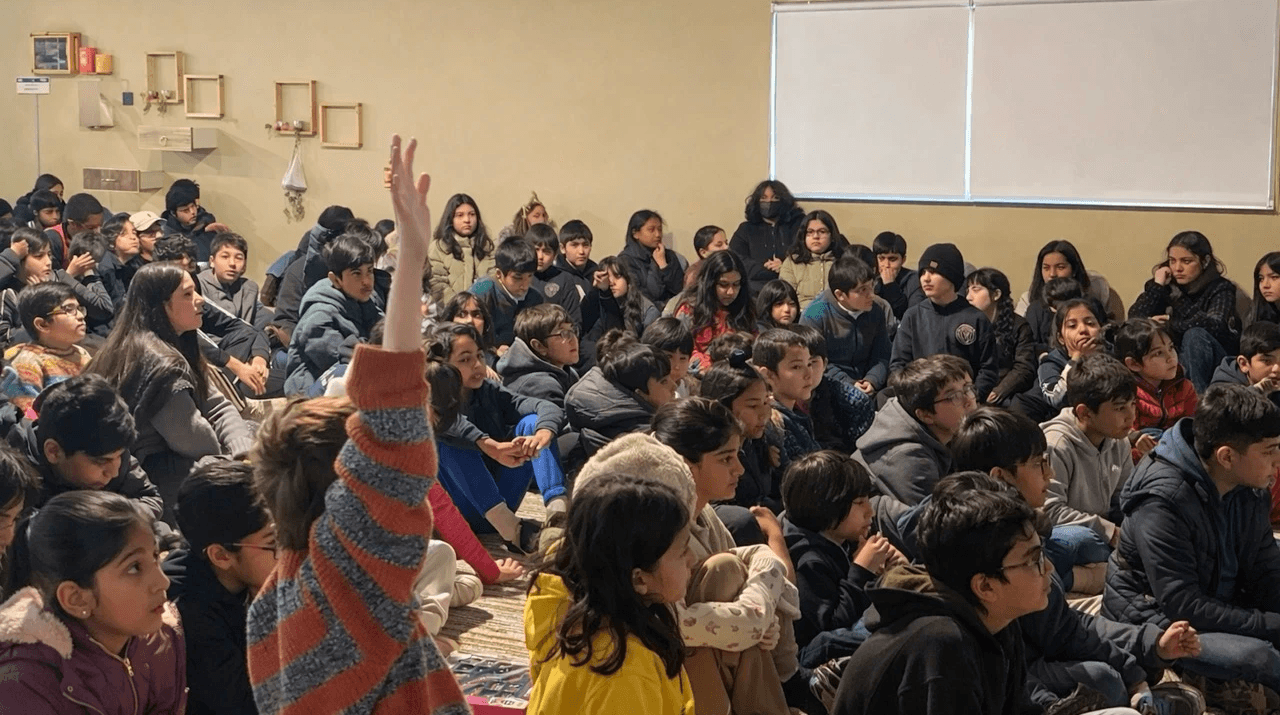
The Habits of Learning
Habits of Learning
The Habits of Learning are how that consciousness shows up in work. Each learning structure; academics, concentrations, immersion weeks, carries its own habits.
The Habits of Learning are how that consciousness shows up in work. Each learning structure; academics, concentrations, immersion weeks, carries its own habits evaluated formally through rubrics.
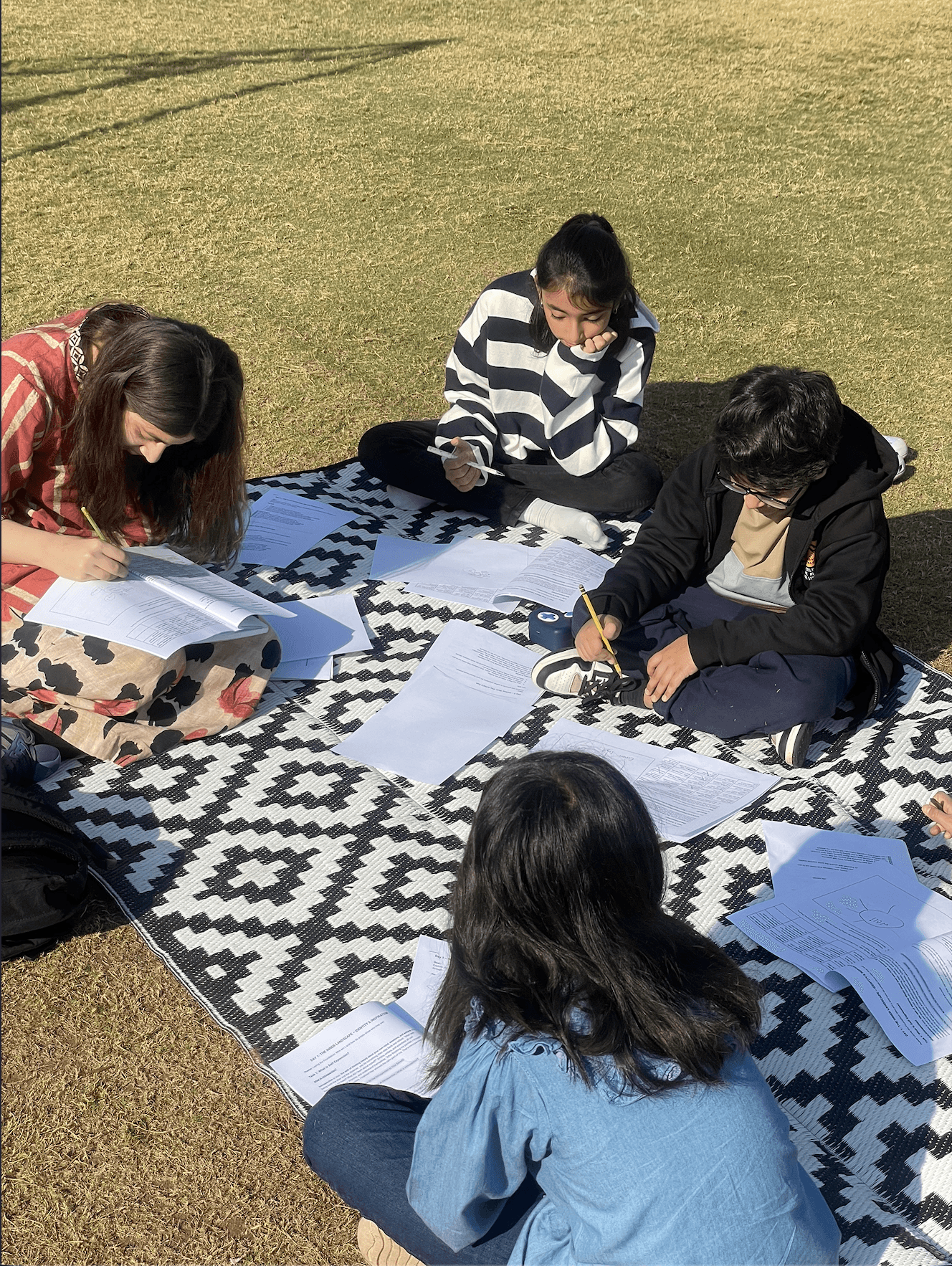
Arrive ready to learn
Engage with material before it is taught and come to every session prepared to participate.
Show up consistently
Stay steady across the week, the term, and when work gets hard or repetitive.
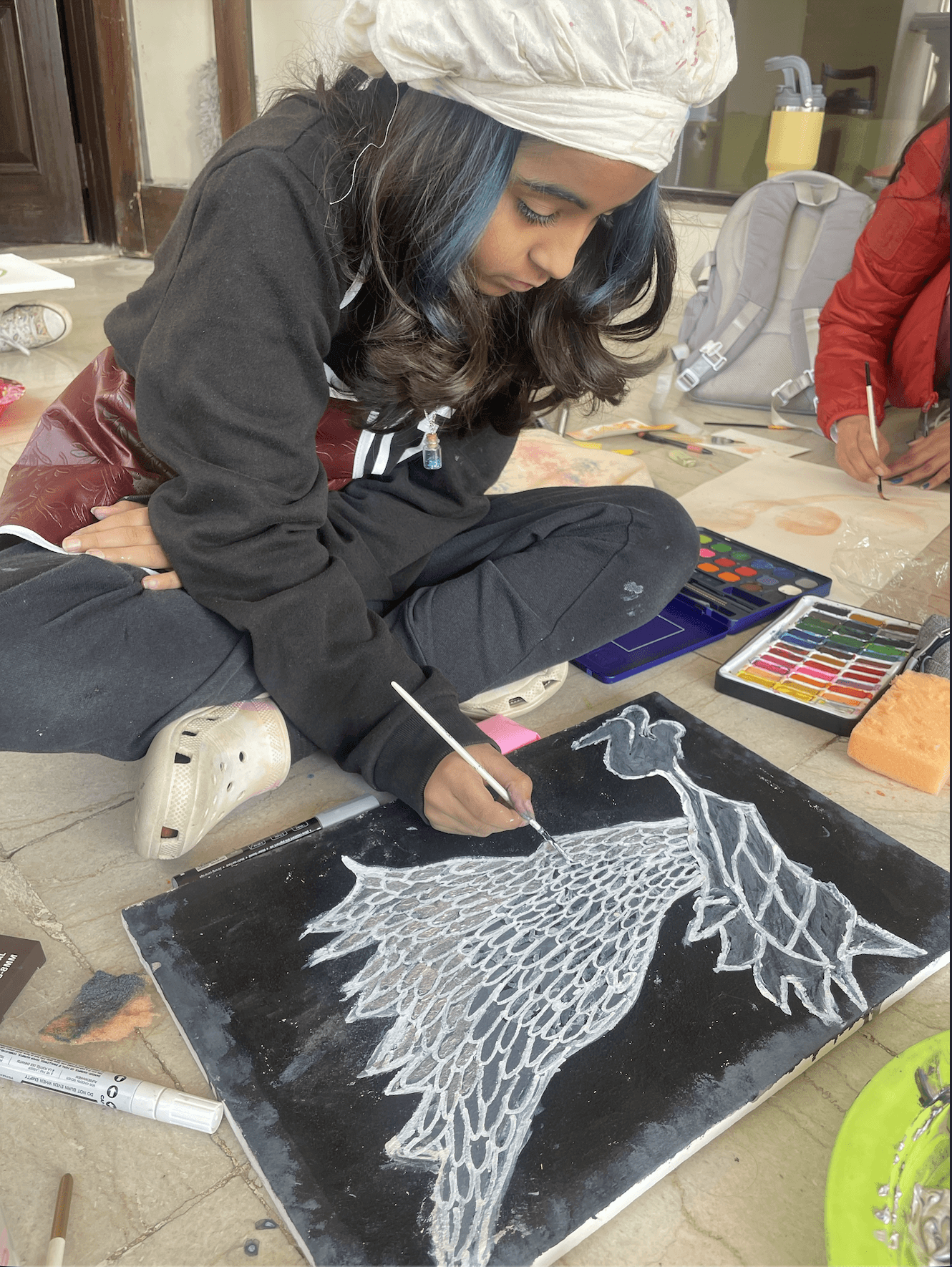
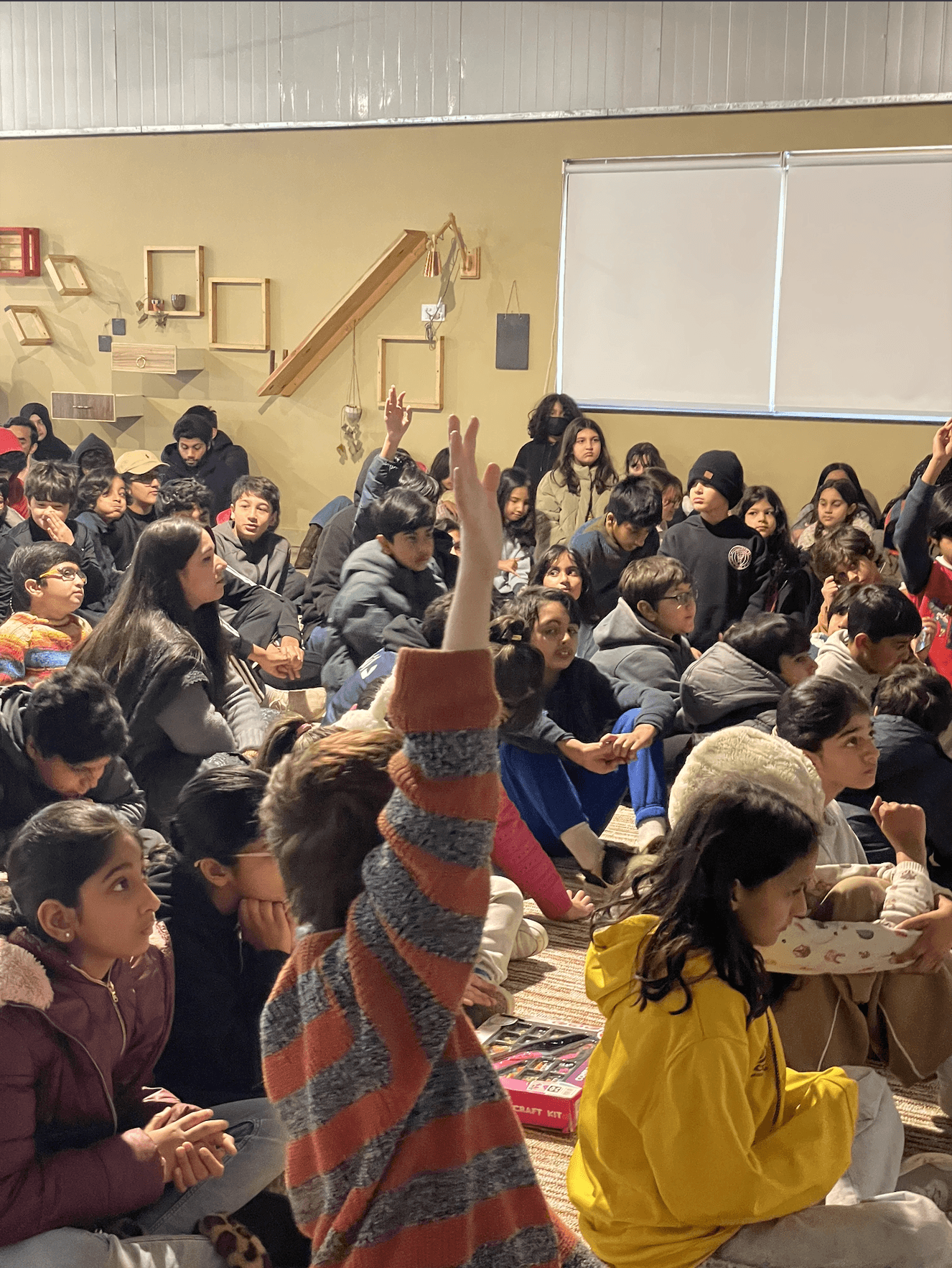
Ask questions
Ask when confused, push thinking forward, and don't move on without understanding.
Work with reverence
Bring care and attention to detail to everything you make, write, and record.
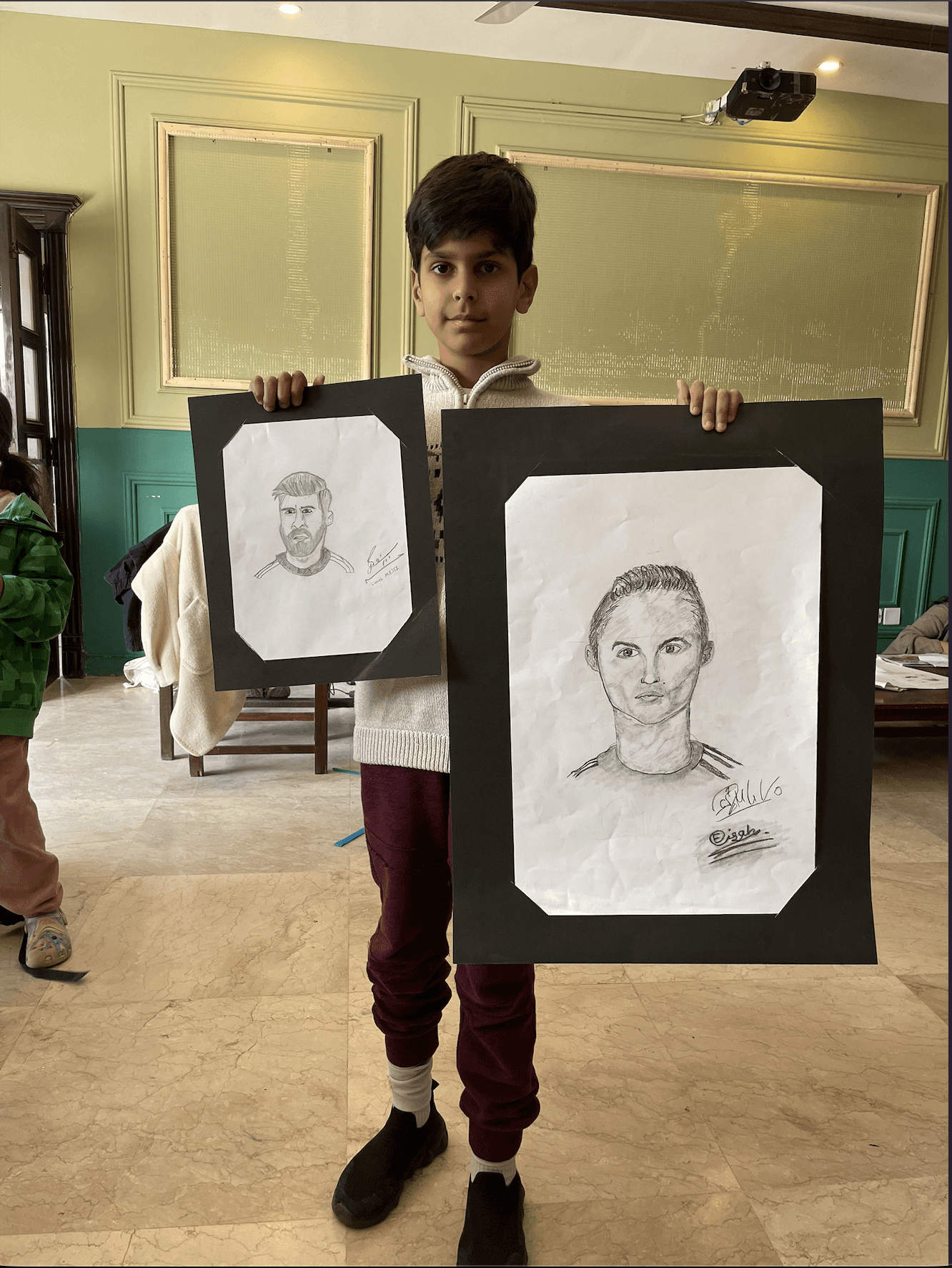
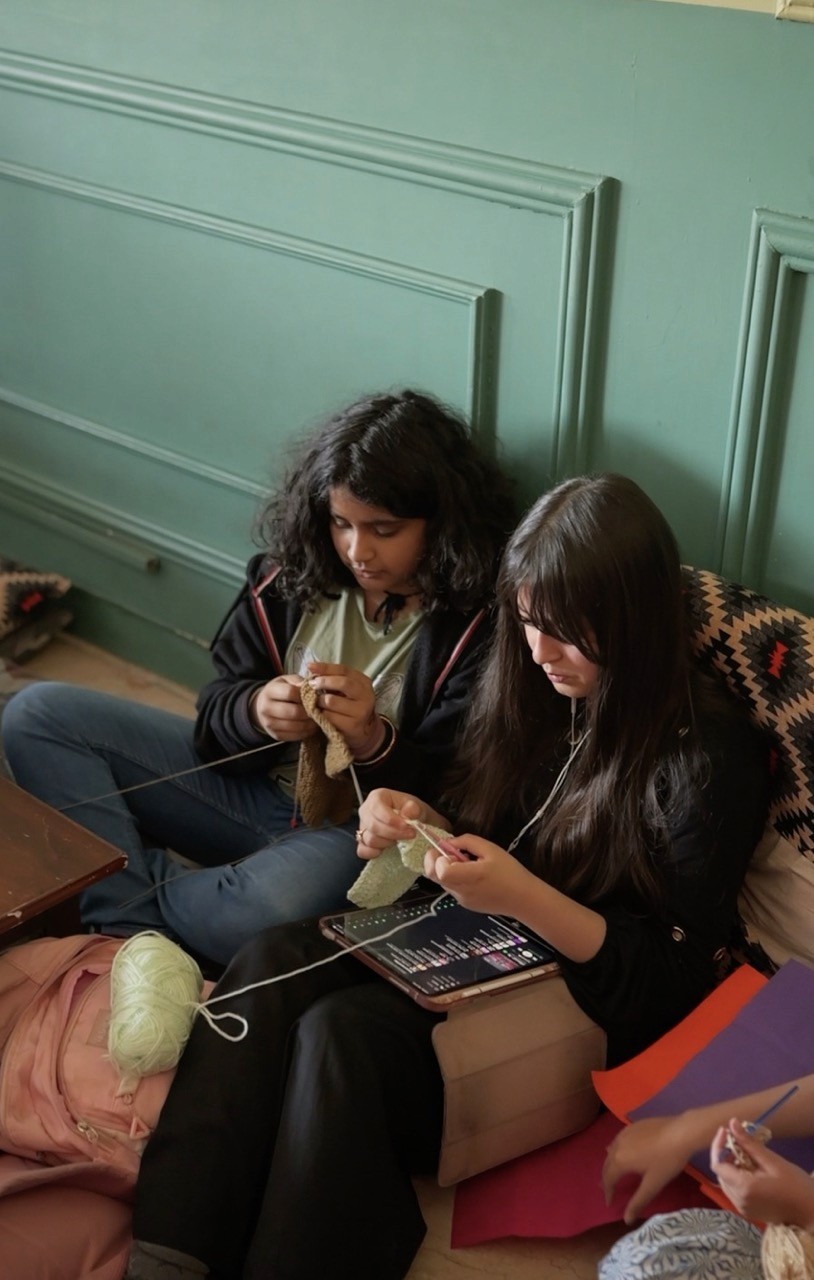
Set and achieve goals
Know what you are working toward, break it into steps, and track your own progress.
Understand your learning deeply
Be able to explain what you did, why you did it, and what you have learned.
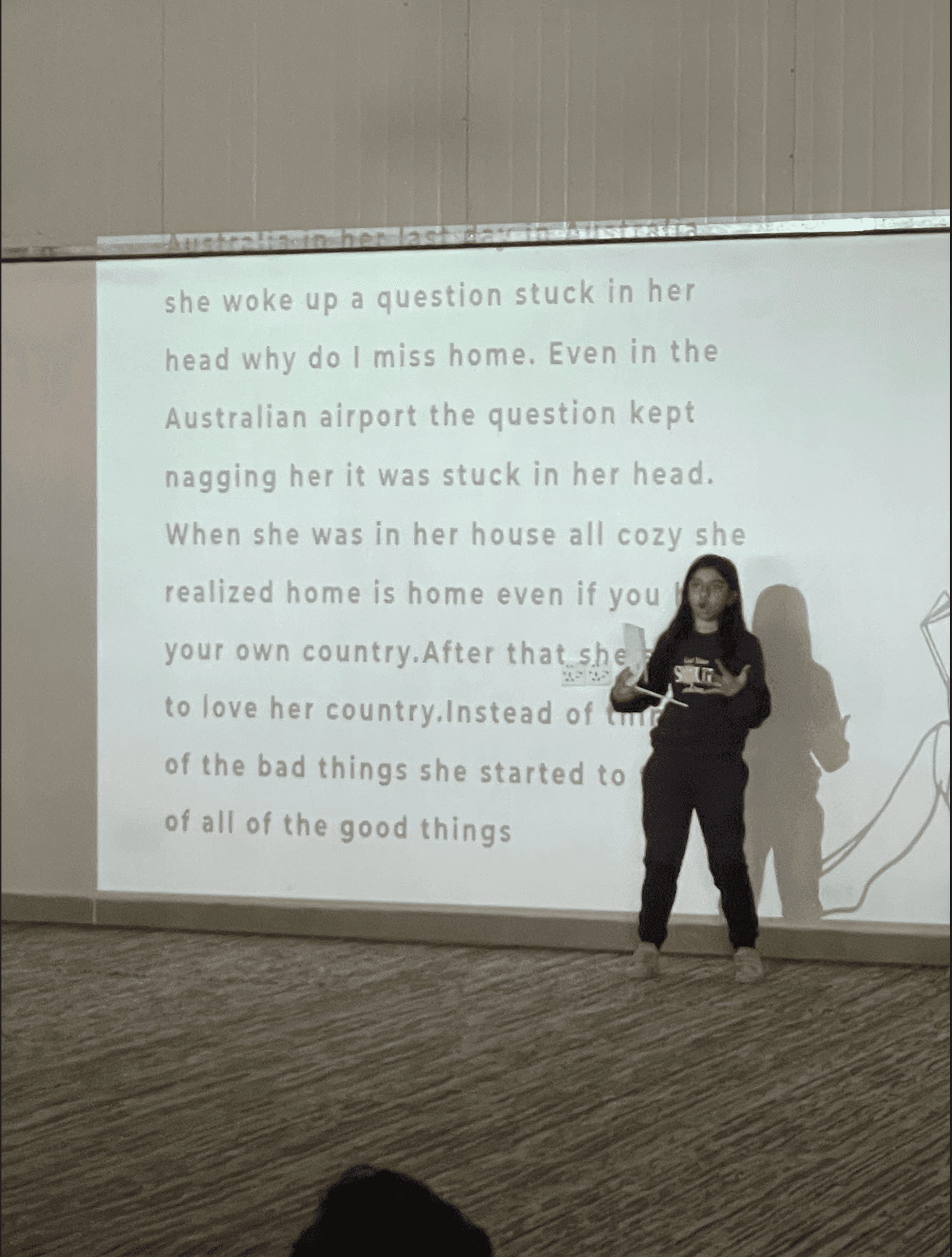
Arrive ready to learn
Engage with material before it is taught and come to every session prepared to participate.
Show up consistently
Stay steady across the week, the term, and when work gets hard or repetitive.
Ask questions
Ask when confused, push thinking forward, and don't move on without understanding.
Work with reverence
Bring care and attention to detail to everything you make, write, and record.
Set and achieve goals
Know what you are working toward, break it into steps, and track your own progress.
Arrive ready to learn
Engage with material before it is taught and come to every session prepared to participate.
Show up consistently
Stay steady across the week, the term, and when work gets hard or repetitive.
Ask questions
Ask when confused, push thinking forward, and don't move on without understanding.
Work with reverence
Bring care and attention to detail to everything you make, write, and record.
Set and achieve goals
Know what you are working toward, break it into steps, and track your own progress.
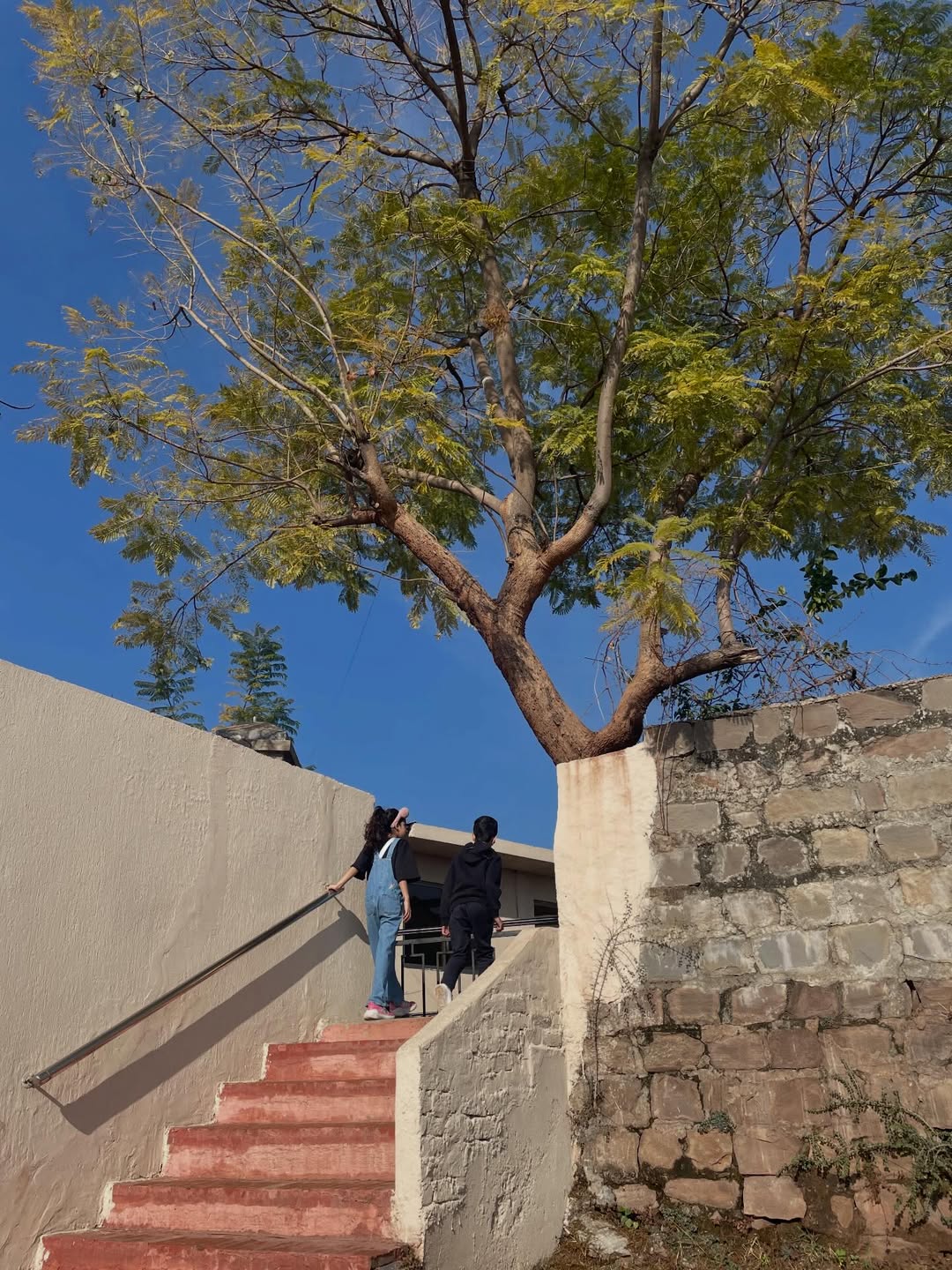
The Inner World
Four questions about the inner world that every child at Edopia lives with over the years, returning to them with increasing depth.
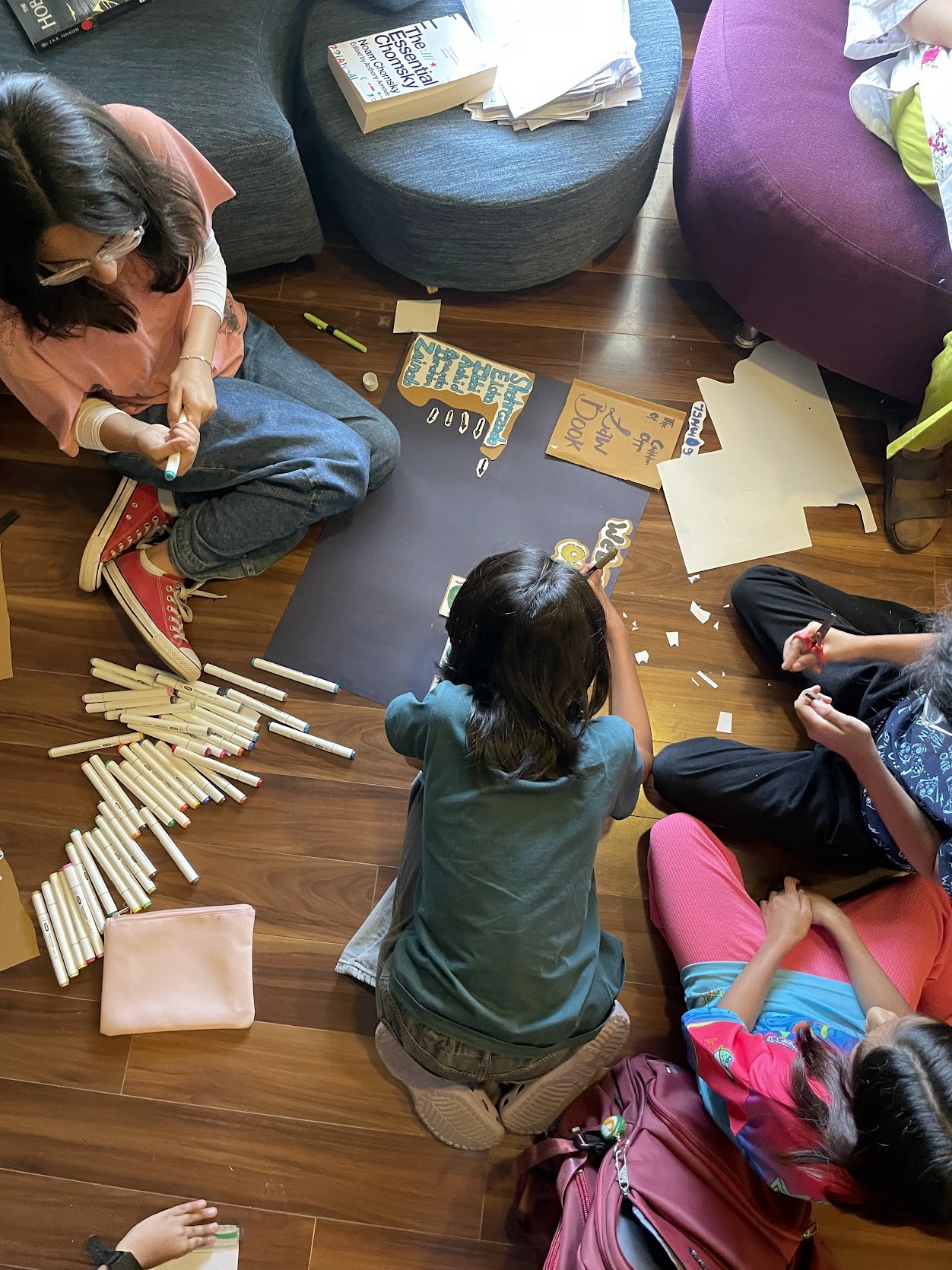
Who am I?
Fitra
Every child arrives already oriented toward truth. Our work is to protect what is already there. Alongside that sits humility, the knowledge that who you are is not fixed, not finished, and never separate from something larger than yourself.
What do I owe the people around me?
Haqooq and Islah
You are not only owed things. You owe things. To your family. To your neighbour. To the people around you. And when those obligations are broken, there must also be a way to repair what has been damaged. This is where children begin to learn what relationships actually asks of them.
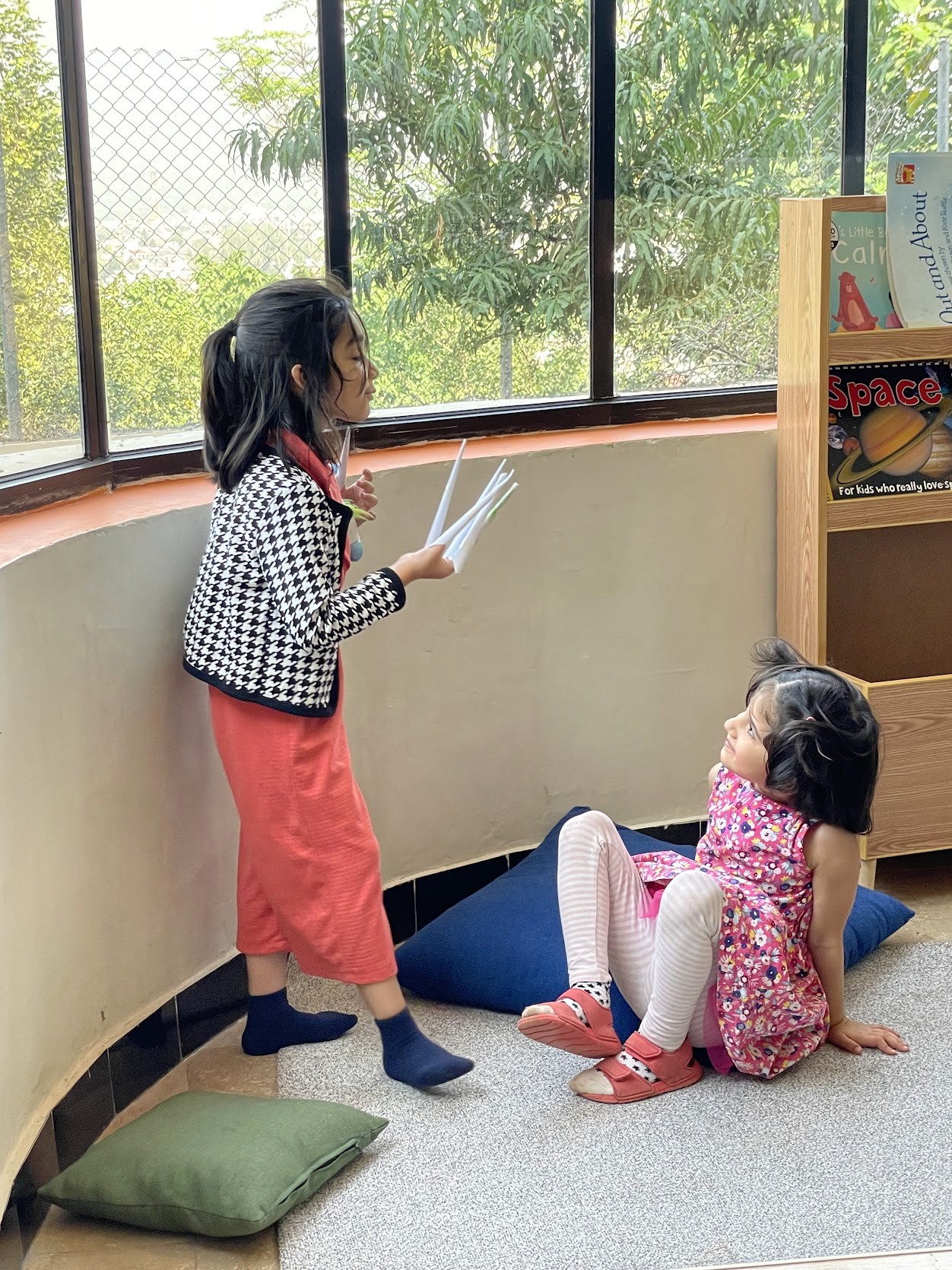
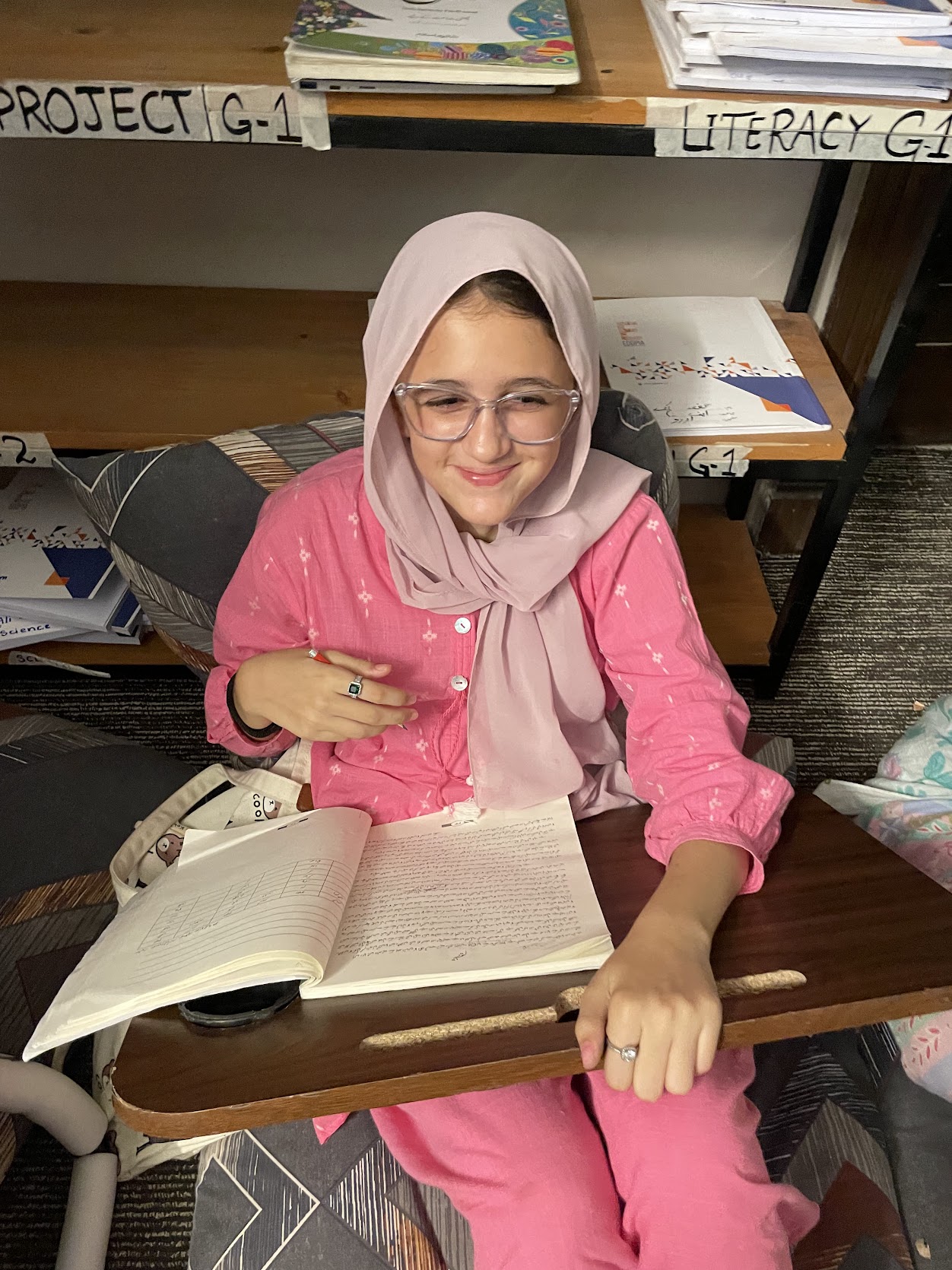
How do I become someone I can live with, in body and soul?
Nafs
This theme teaches children to turn inward and notice their thoughts, feelings, and actions. It invites them to reflect on who they are becoming and how they care for their body and inner life. To understand that living well is not only about what they achieve, but about learning to live with honesty, balance, and self-respect.
How Do I Hold What Is Hard?
Tawakul
Patience is not passivity. It is the practice of holding difficulty without being destroyed by it. Alongside it sits amanah, the weight of what has been placed in your care, and the responsibility to carry it well. Together, these are what allow a person to face uncertainty, injustice, loss, and difficulty without collapsing.
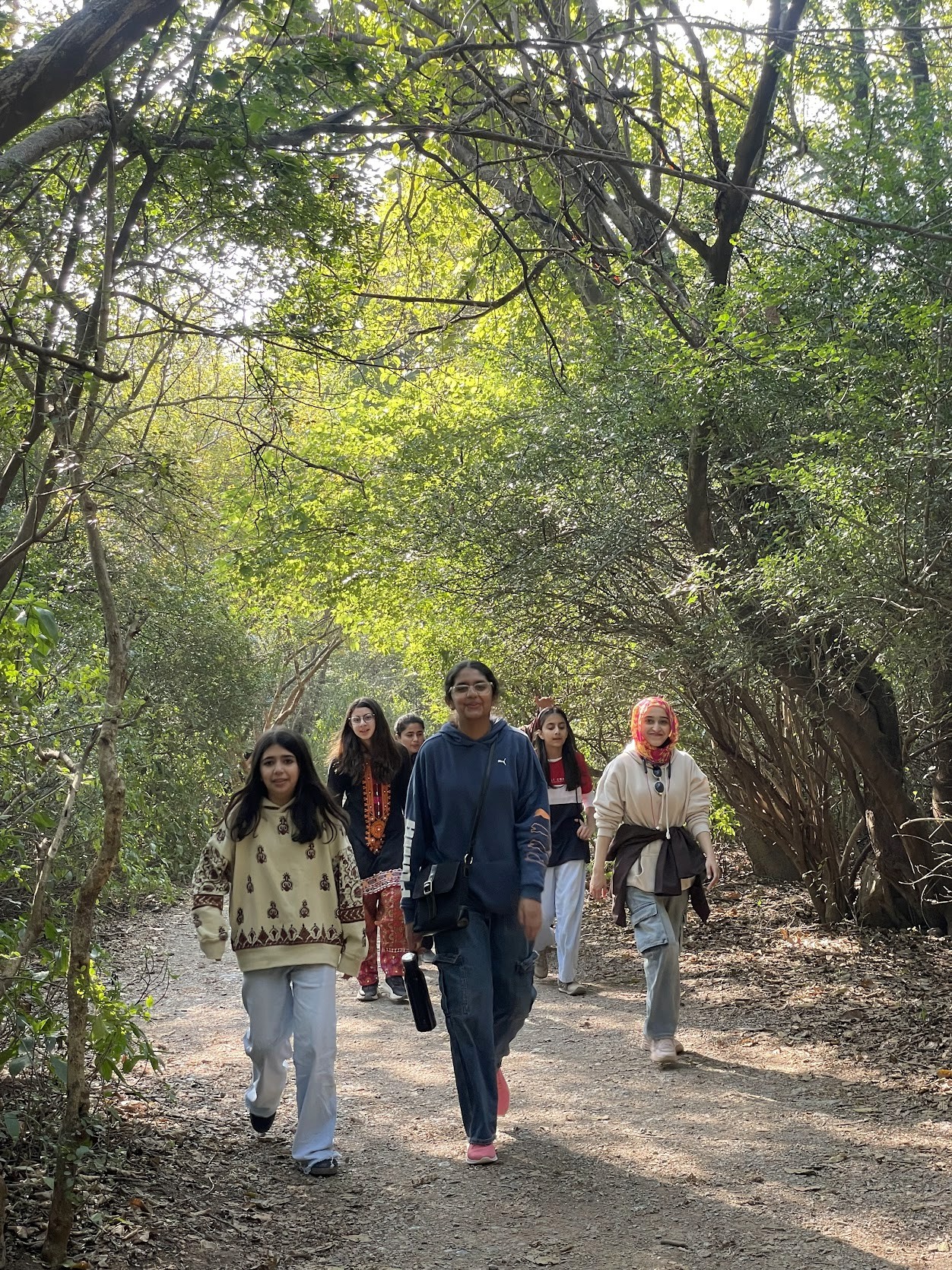
Who am I?
Fitra
Every child arrives already oriented toward truth. Our work is to protect what is already there. Alongside that sits humility, the knowledge that who you are is not fixed, not finished, and never separate from something larger than yourself.
How do I become someone I can live with, in body and soul?
Nafs
This theme teaches children to turn inward and notice their thoughts, feelings, and actions. It invites them to reflect on who they are becoming and how they care for their body and inner life. To understand that living well is not only about what they achieve, but about learning to live with honesty, balance, and self-respect.
What do I owe the people around me?
Haqooq and Islah
You are not only owed things. You owe things. To your family. To your neighbour. To the people around you. And when those obligations are broken, there must also be a way to repair what has been damaged. This is where children begin to learn what relationships actually asks of them.
How do I hold what is hard?
Tawakul
Patience is not passivity. It is the practice of holding difficulty without being destroyed by it. Alongside it sits amanah, the weight of what has been placed in your care, and the responsibility to carry it well. Together, these are what allow a person to face uncertainty, injustice, loss, and difficulty without collapsing.
Who am I?
Fitra
Every child arrives already oriented toward truth. Our work is to protect what is already there. Alongside that sits humility, the knowledge that who you are is not fixed, not finished, and never separate from something larger than yourself.
How do I become someone I can live with, in body and soul?
Nafs
This theme teaches children to turn inward and notice their thoughts, feelings, and actions. It invites them to reflect on who they are becoming and how they care for their body and inner life. To understand that living well is not only about what they achieve, but about learning to live with honesty, balance, and self-respect.
What do I owe the people around me?
Haqooq and Islah
You are not only owed things. You owe things. To your family. To your neighbour. To the people around you. And when those obligations are broken, there must also be a way to repair what has been damaged. This is where children begin to learn what relationships actually asks of them.
How do I hold what is hard?
Tawakul
Patience is not passivity. It is the practice of holding difficulty without being destroyed by it. Alongside it sits amanah, the weight of what has been placed in your care, and the responsibility to carry it well. Together, these are what allow a person to face uncertainty, injustice, loss, and difficulty without collapsing.
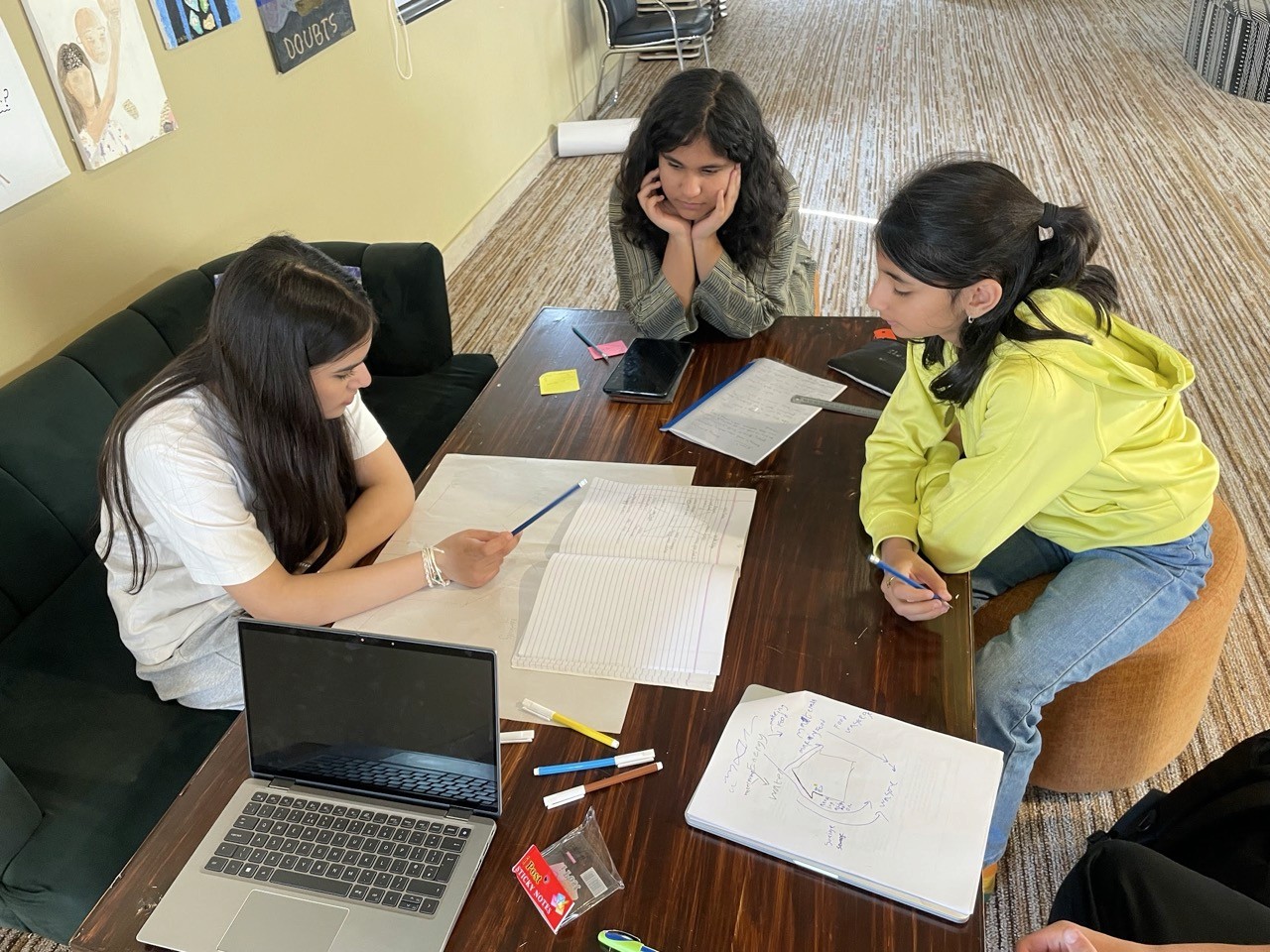
The Outer World
Eight questions to understand how the world works. Rooted in context, they begin close to home, expand outward, and deepen with each return.
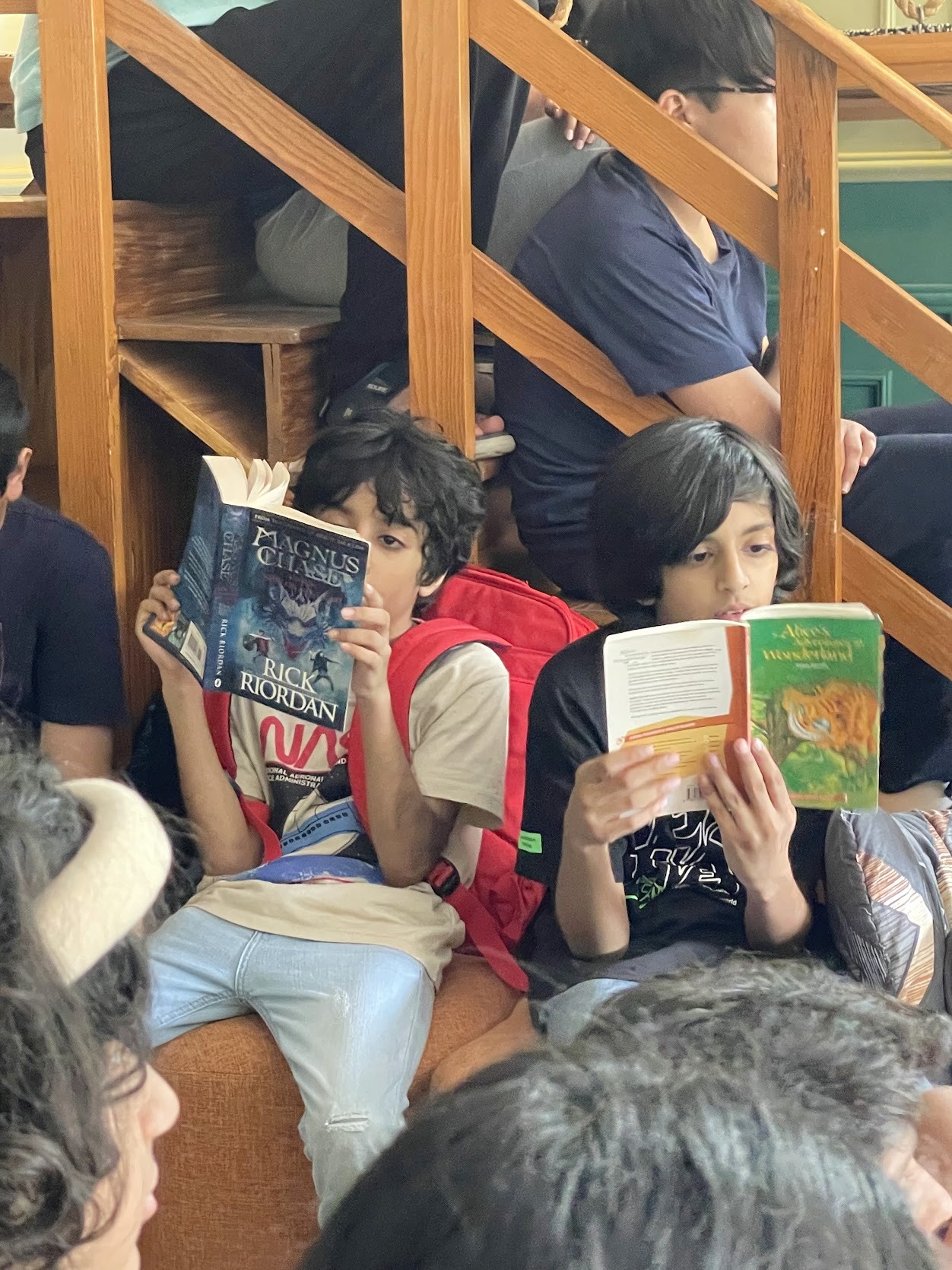
What Did Those Before Us Understand That We Have Forgotten?
Tafakkur
This theme asks children to look backward with real curiosity. What did those before us know? How did they know it? What was lost? What still remains? And what would it mean to recover what modern life taught us to ignore?
How does where we live shape who we are, and what do we owe the land?
Ard
The land beneath your feet is not a backdrop. It shapes memory, need, imagination, movement, and belonging. This theme asks children to understand place as a relationship, something that forms them, and something they are responsible for in return.
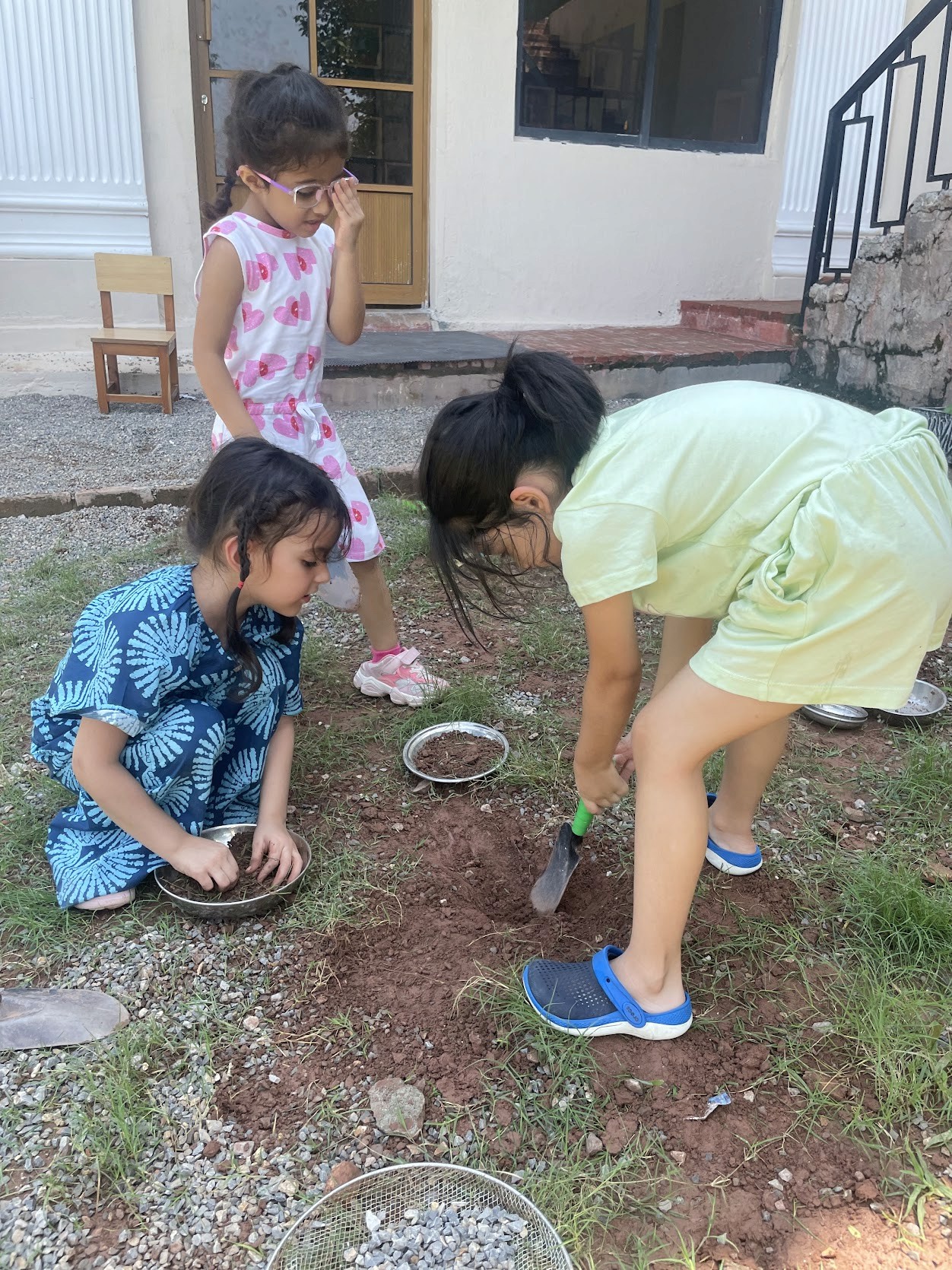
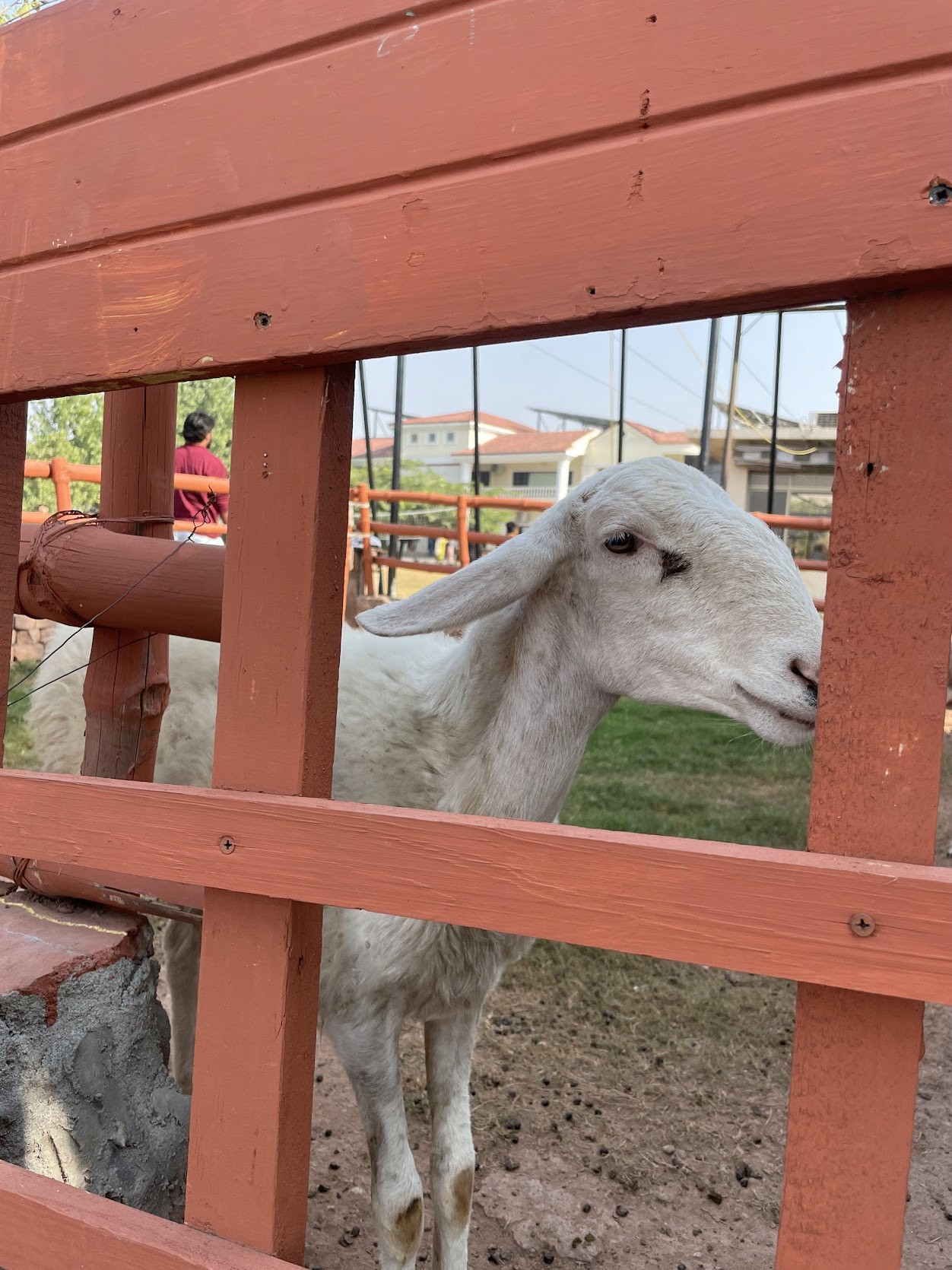
What is the natural world trying to tell us?
Ayat
This theme teaches children to observe with attention and reverence and to read the earth carefully. To notice what is there. To understand that the world is speaking, and that human beings must learn how to listen.
How have different people tried to live together justly?
Adl
Justice is something that human beings have tried to build, broken, repaired, and argued over across every society. This theme asks children to study those attempts seriously, what held, what failed, and what justice asks of a community in real life.
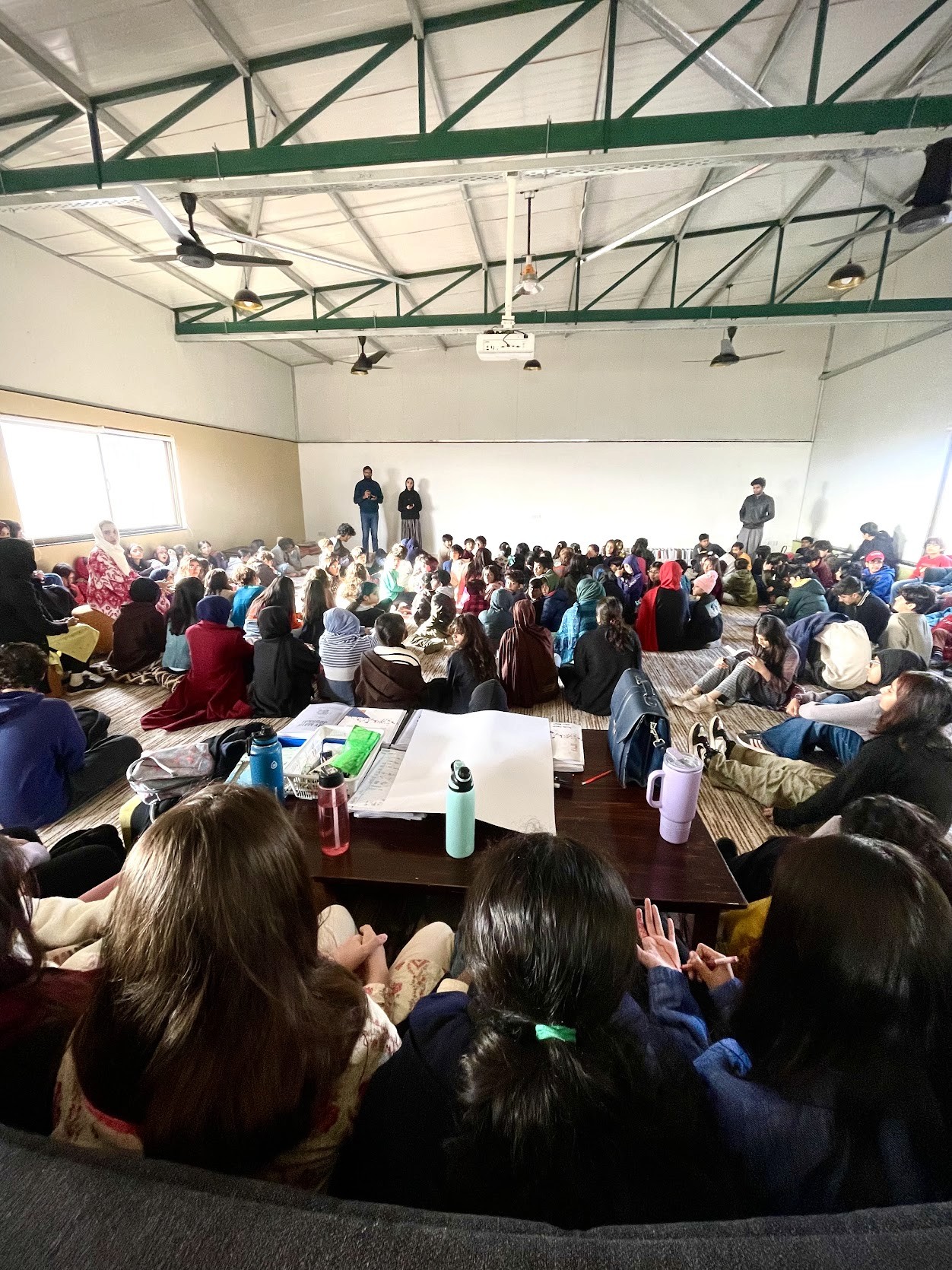
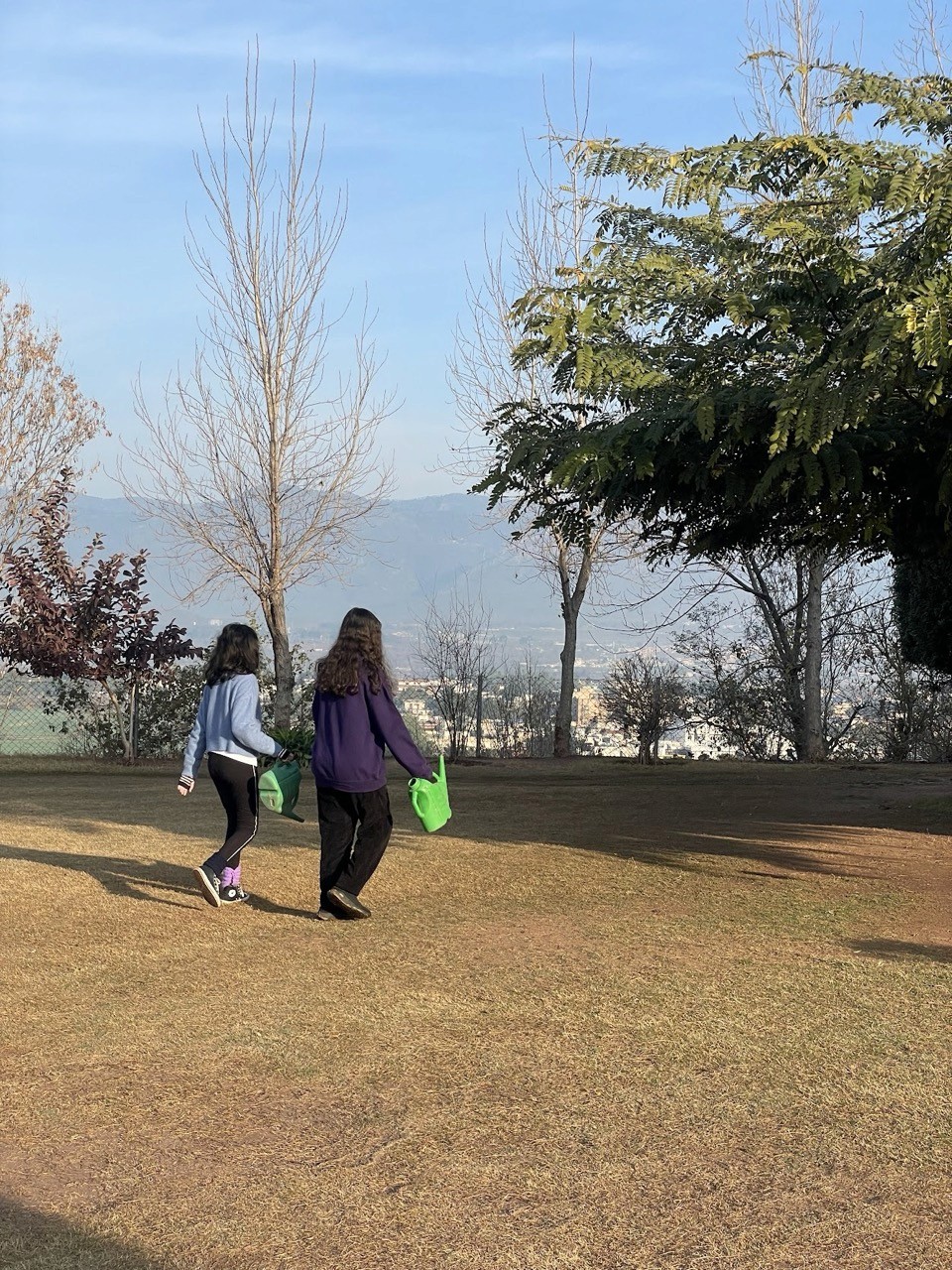
What do we owe each other in how we produce, exchange, and consume?
Mizan
Everything the earth offers is a trust. This theme asks children to think seriously about use, balance, care, and restraint. What do we take? What do we return? What happens when balance is broken? And what does it mean to live without violating what sustains us?
How has beauty and story kept alive what power tried to erase?
Baqa
Power has always tried to erase memory. Human beings have always found ways to keep it alive. In story. In art. In architecture. In language. This theme asks children to understand beauty not as decoration, but as one of the ways truth survives.
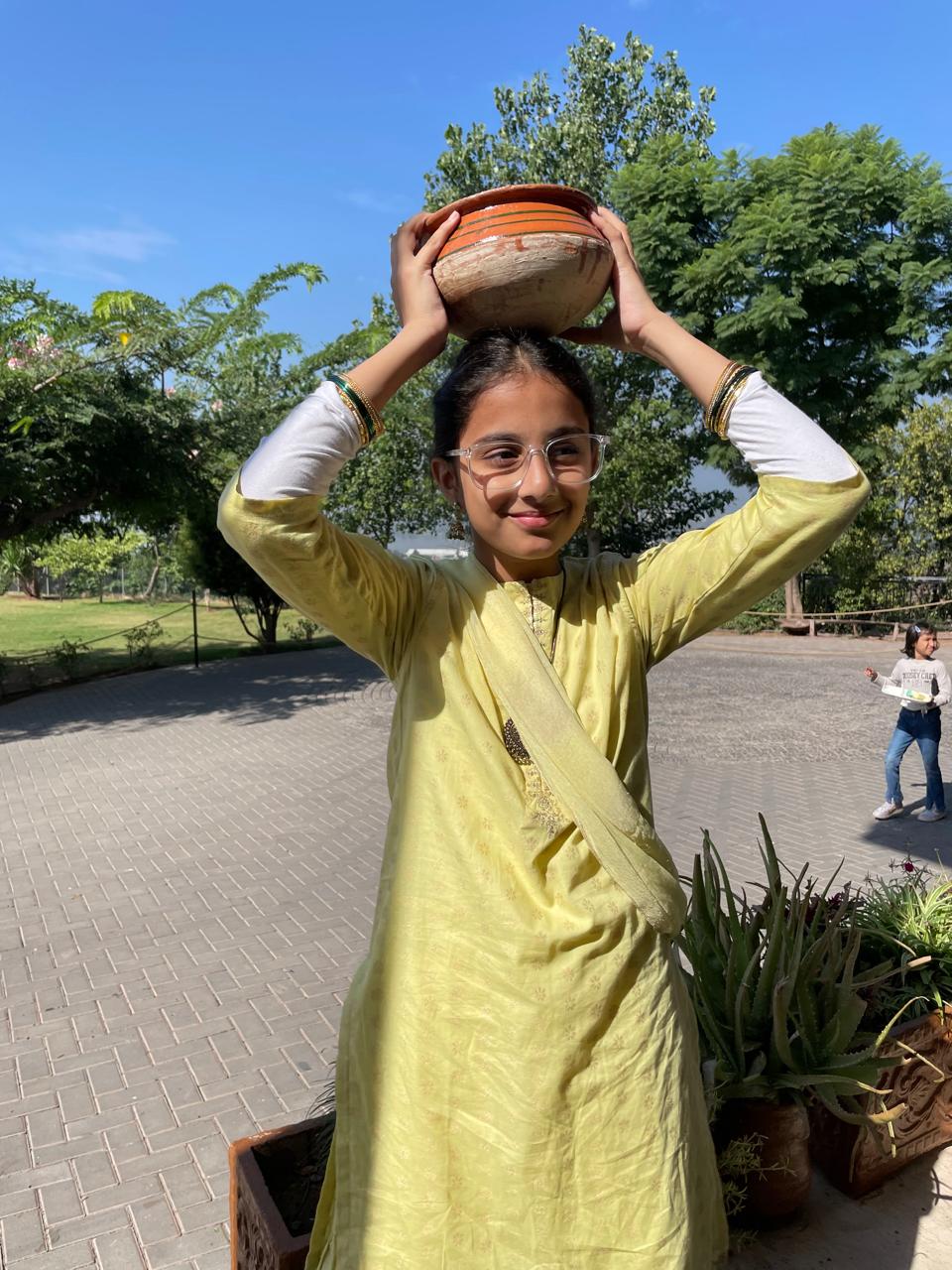
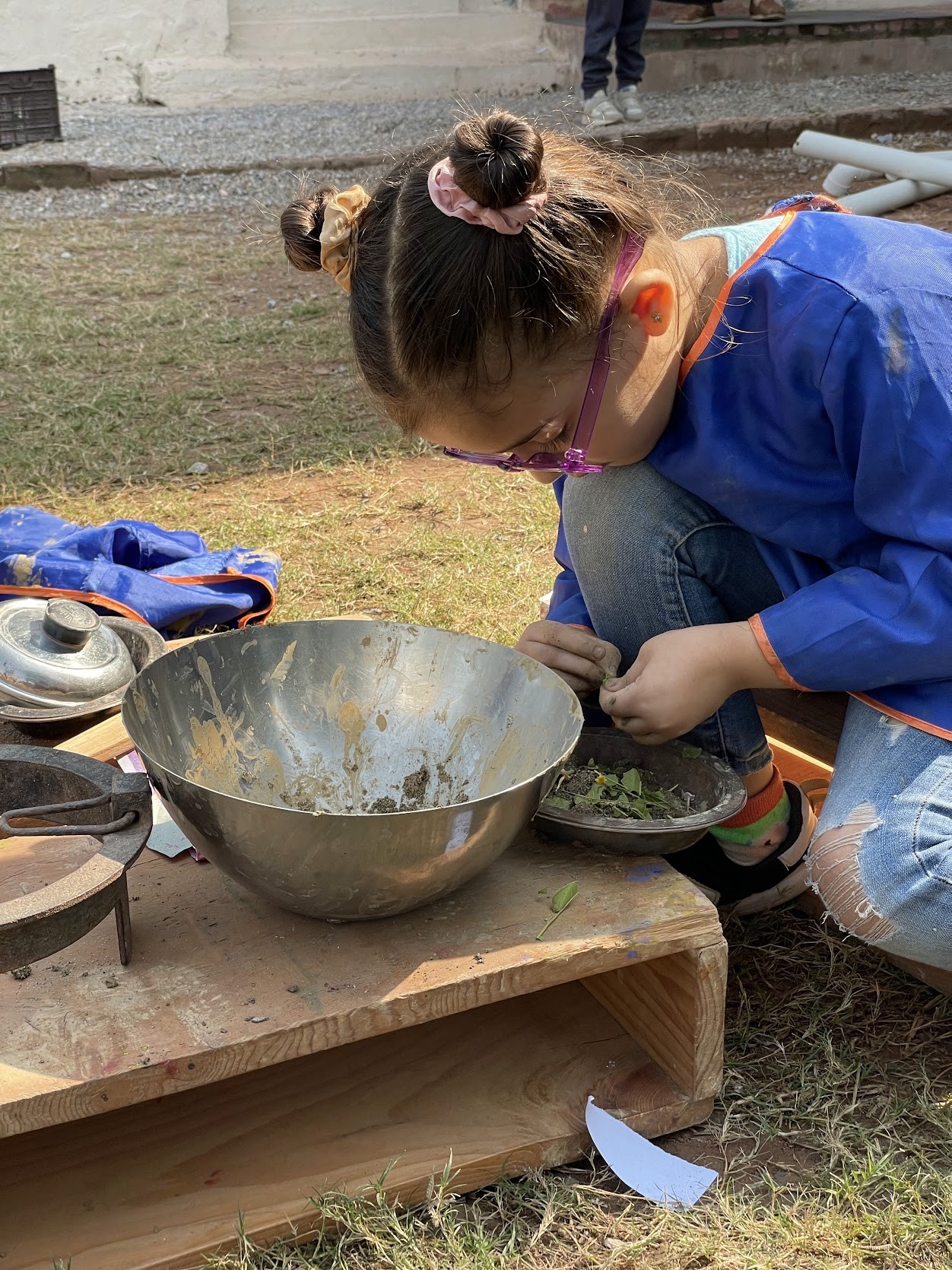
What does it mean to make something with care?
Ihsan
This theme asks children to develop a relationship with making, not just with outcomes, but with process, craft, patience, and sustained attention. What matters here is not only what is made, but the quality of presence and excellence brought to the making.
What does it mean to hold power, and what does it ask of you?
Khalifa
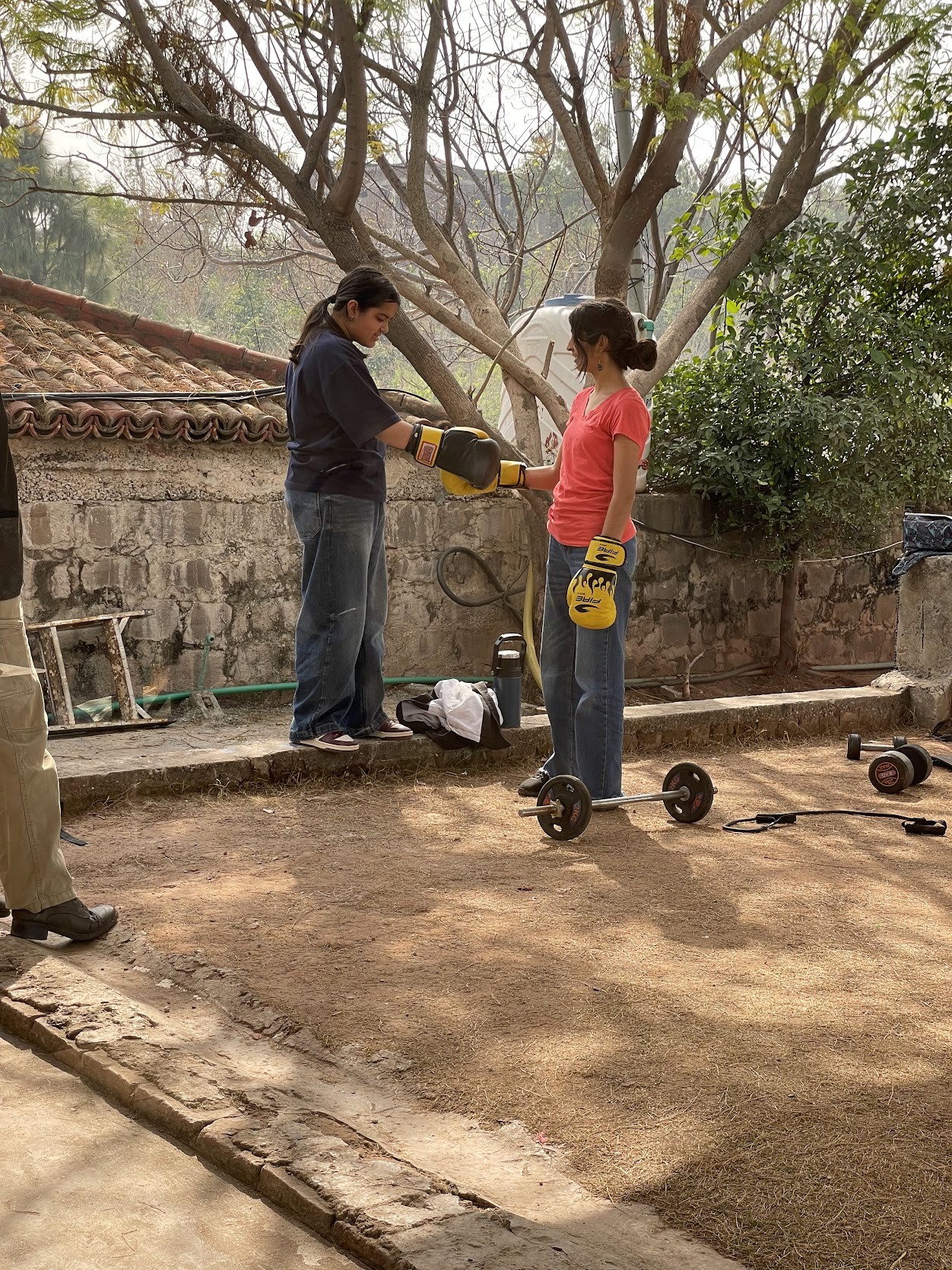
The body is not separate from the self. It is part of the trust. This theme helps children think about rest, movement, food, care, and gratitude with more honesty. To care for the body properly is not vanity. It is responsibility.
What did those before us understand that we have forgotten?
Tafakkur
This theme asks children to look backward with real curiosity. What did those before us know? How did they know it? What was lost? What still remains? And what would it mean to recover what modern life taught us to ignore?
How does where we live shape who we are, and what do we owe the land?
Ard
The land beneath your feet is not a backdrop. It shapes memory, need, imagination, movement, and belonging. This theme asks children to understand place as a relationship, something that forms them, and something they are responsible for in return.
What is the natural world trying to tell us?
Ayat
This theme teaches children to observe with attention and reverence and to read the earth carefully. To notice what is there. To understand that the world is speaking, and that human beings must learn how to listen.
How have different people tried to live together justly?
Adl
Justice is something that human beings have tried to build, broken, repaired, and argued over across every society. This theme asks children to study those attempts seriously, what held, what failed, and what justice asks of a community in real life.
What do we owe each other in how we produce, exchange, and consume?
Mizan
This theme teaches children to notice balance in how we produce, exchange, and consume. It asks them to think carefully about fairness, restraint, and responsibility in everyday life. To understand what happens when balance is broken, and what it means to live in a way that does not take more than the world can sustain.
How has beauty and story kept alive what power tried to erase?
Baqa
Power has always tried to erase memory. Human beings have always found ways to keep it alive. In story. In art. In architecture. In language. This theme asks children to understand beauty not as decoration, but as one of the ways truth survives.
What does it mean to make something with care?
Ihsan
This theme asks children to develop a relationship with making, not just with outcomes, but with process, craft, patience, and sustained attention. What matters here is not only what is made, but the quality of presence and excellence brought to the making.
What does it mean to hold power, and what does it ask of you?
Khalifa
This theme teaches children to recognize power in its many forms and to reflect on how it is used. It invites them to think about responsibility, justice, and the impact of their choices on others. To understand that holding power is not only about control, but about care, restraint, and the obligation to act with integrity.
What did those before us understand that we have forgotten?
Tafakkur
This theme asks children to look backward with real curiosity. What did those before us know? How did they know it? What was lost? What still remains? And what would it mean to recover what modern life taught us to ignore?
How does where we live shape who we are, and what do we owe the land?
Ard
The land beneath your feet is not a backdrop. It shapes memory, need, imagination, movement, and belonging. This theme asks children to understand place as a relationship, something that forms them, and something they are responsible for in return.
What is the natural world trying to tell us?
Ayat
This theme teaches children to observe with attention and reverence and to read the earth carefully. To notice what is there. To understand that the world is speaking, and that human beings must learn how to listen.
How have different people tried to live together justly?
Adl
Justice is something that human beings have tried to build, broken, repaired, and argued over across every society. This theme asks children to study those attempts seriously, what held, what failed, and what justice asks of a community in real life.
What do we owe each other in how we produce, exchange, and consume?
Mizan
This theme teaches children to notice balance in how we produce, exchange, and consume. It asks them to think carefully about fairness, restraint, and responsibility in everyday life. To understand what happens when balance is broken, and what it means to live in a way that does not take more than the world can sustain.
How has beauty and story kept alive what power tried to erase?
Baqa
Power has always tried to erase memory. Human beings have always found ways to keep it alive. In story. In art. In architecture. In language. This theme asks children to understand beauty not as decoration, but as one of the ways truth survives.
What does it mean to make something with care?
Ihsan
This theme asks children to develop a relationship with making, not just with outcomes, but with process, craft, patience, and sustained attention. What matters here is not only what is made, but the quality of presence and excellence brought to the making.
What does it mean to hold power, and what does it ask of you?
Khalifa
This theme teaches children to recognize power in its many forms and to reflect on how it is used. It invites them to think about responsibility, justice, and the impact of their choices on others. To understand that holding power is not only about control, but about care, restraint, and the obligation to act with integrity.
Community Structures
Community Structures
A child does not come to school only to study. They come to learn how to live well with others.
A child does not come to school only to study. They come to learn how to live well with others.
A child does not come to school only to study. They come to learn how to live well with others.
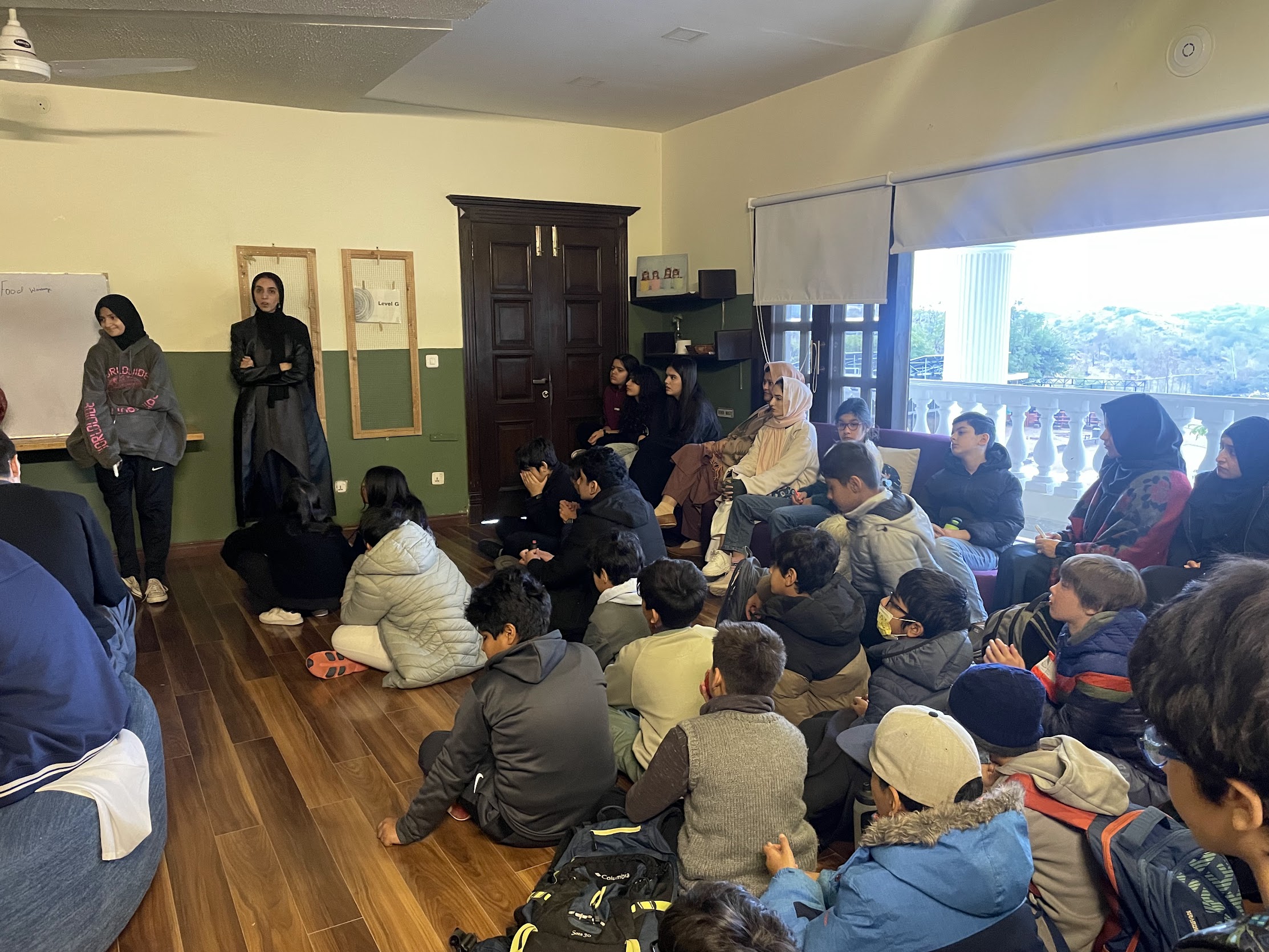
Morning Gathering
Every day begins together.
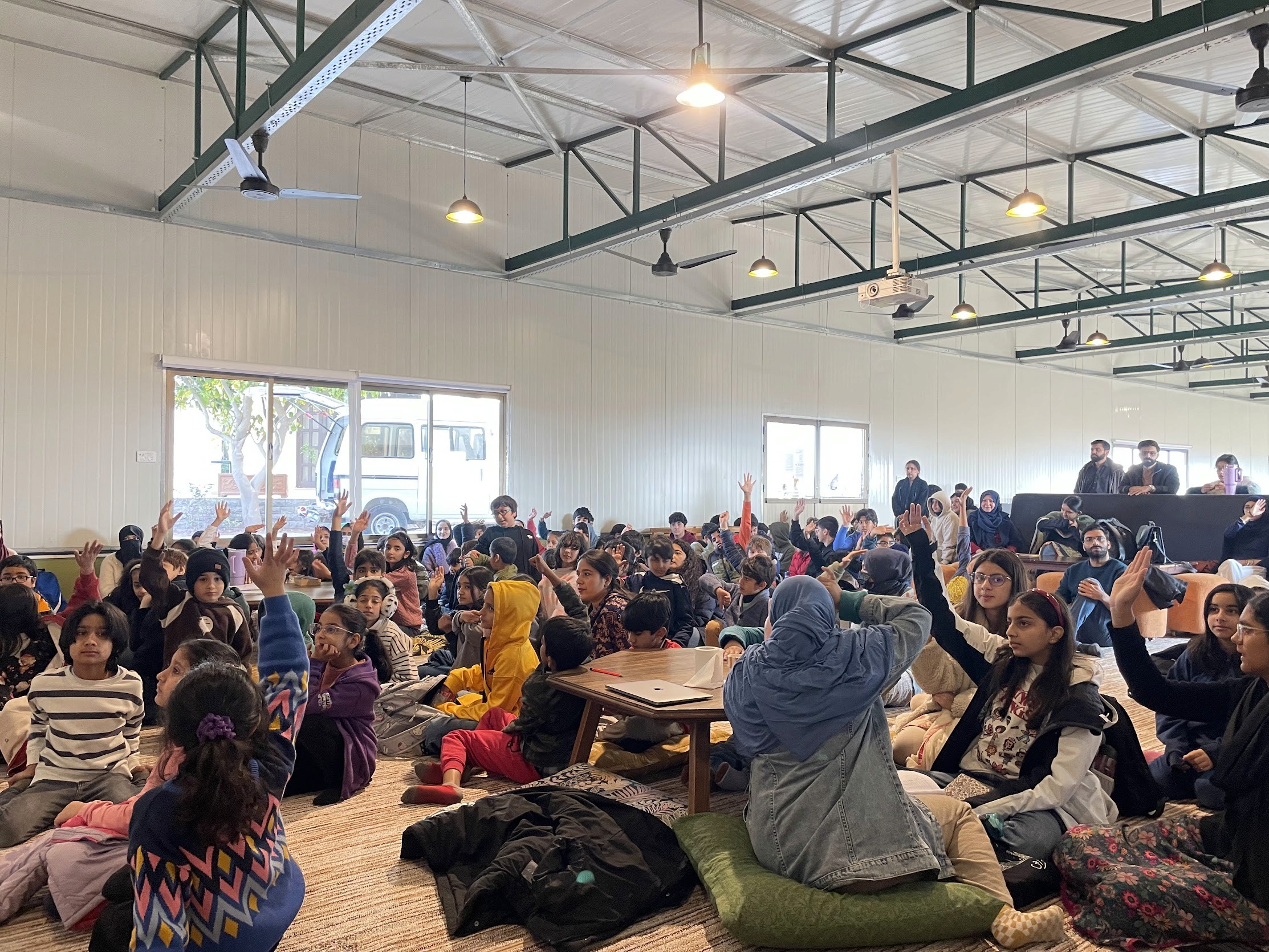
Democratic Assemblies
Children govern real things here.
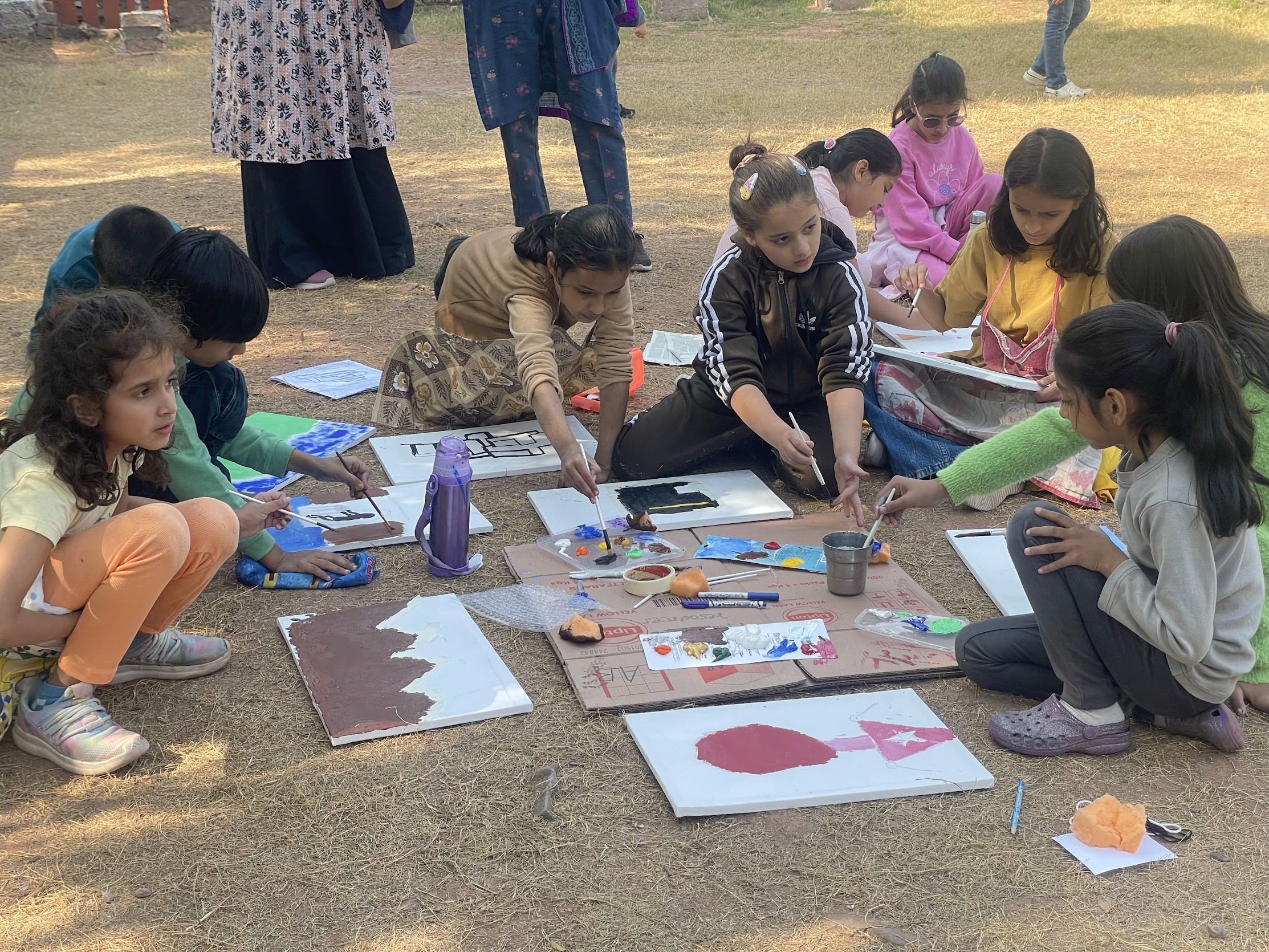
School Wide Projects
Built together. Left behind for others.
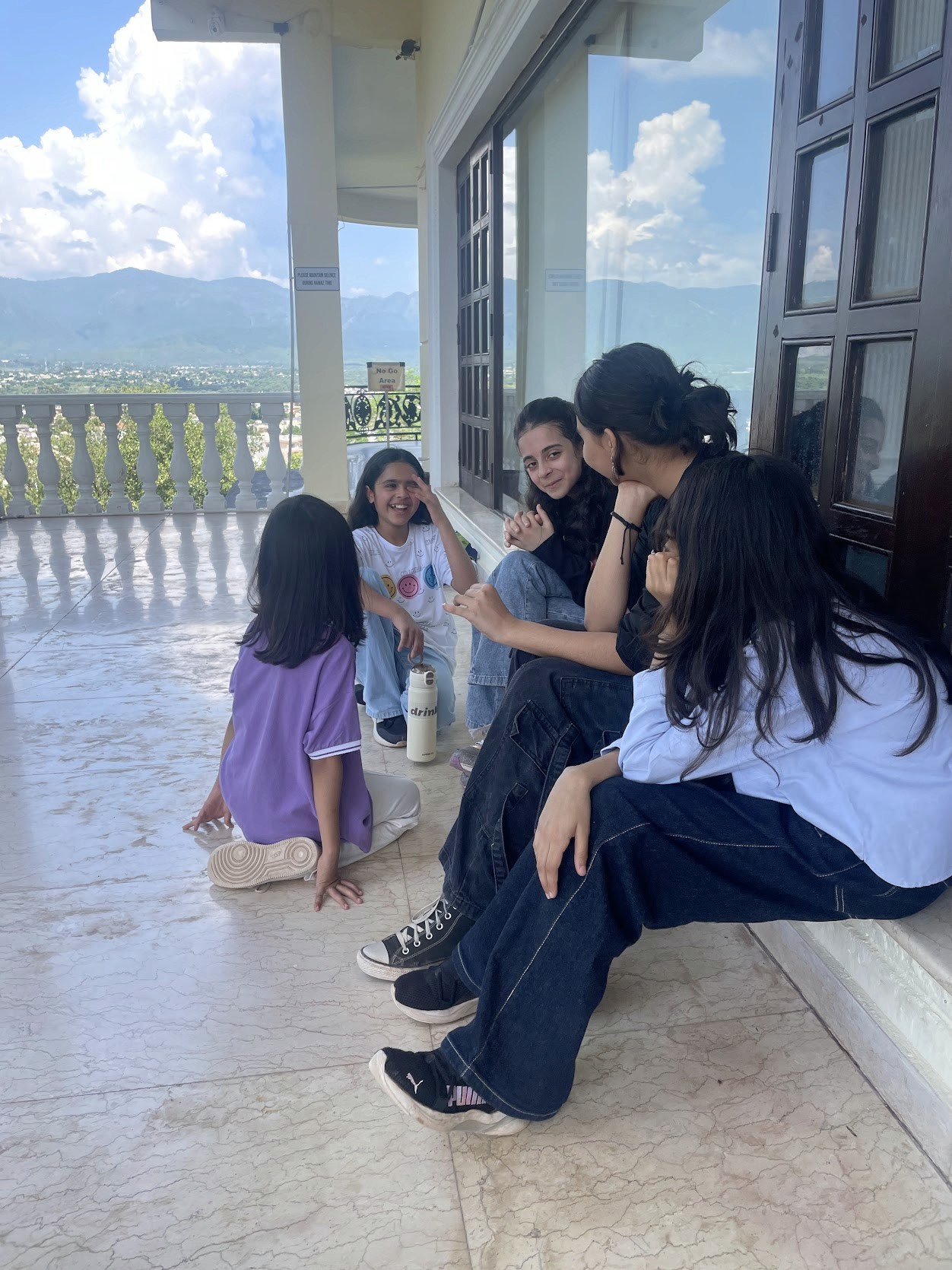
SEL Classes
Serious questions. Real inner work.
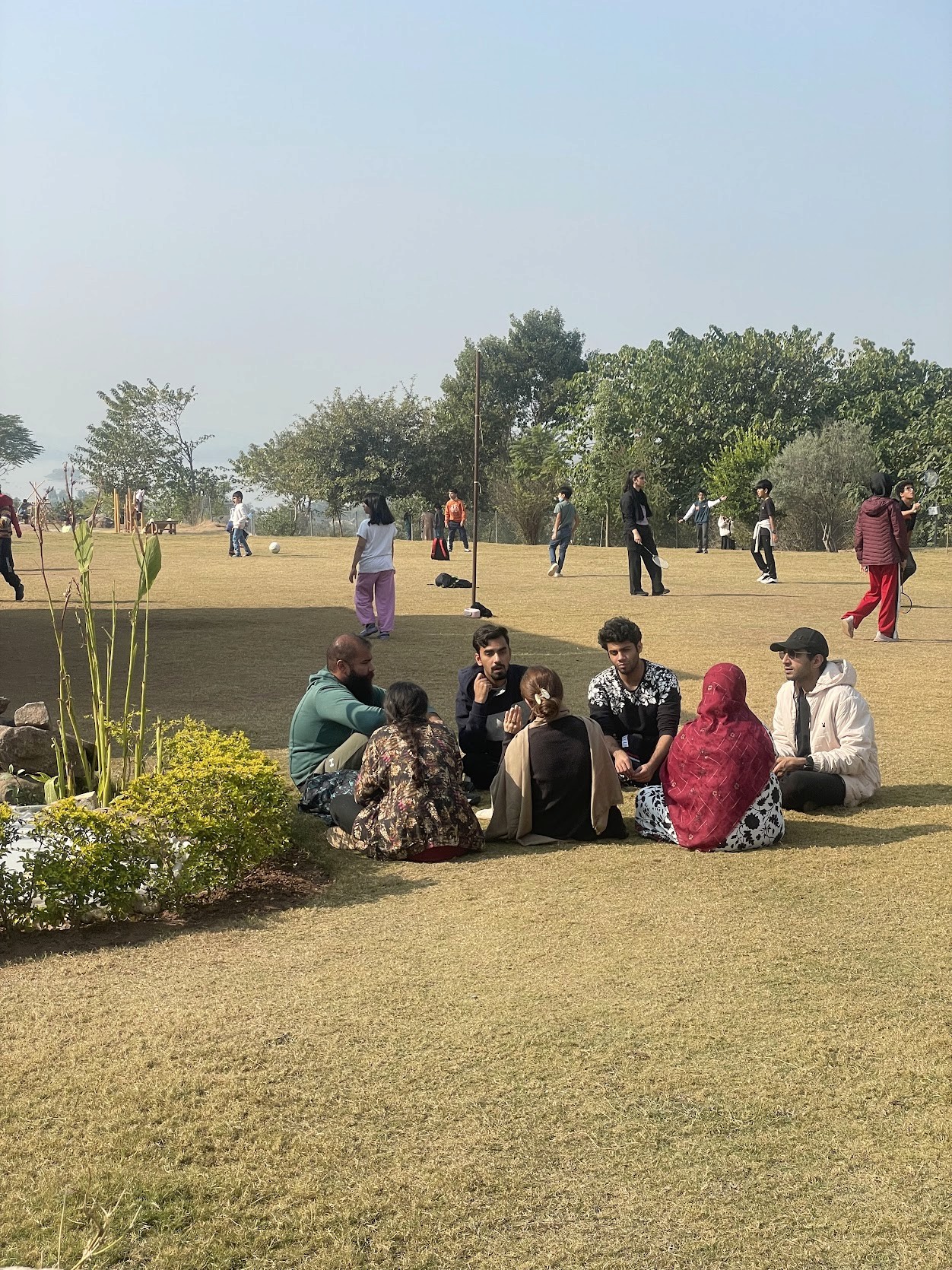
Religious Discussion Circles
Quranic reflection, held as conversation.
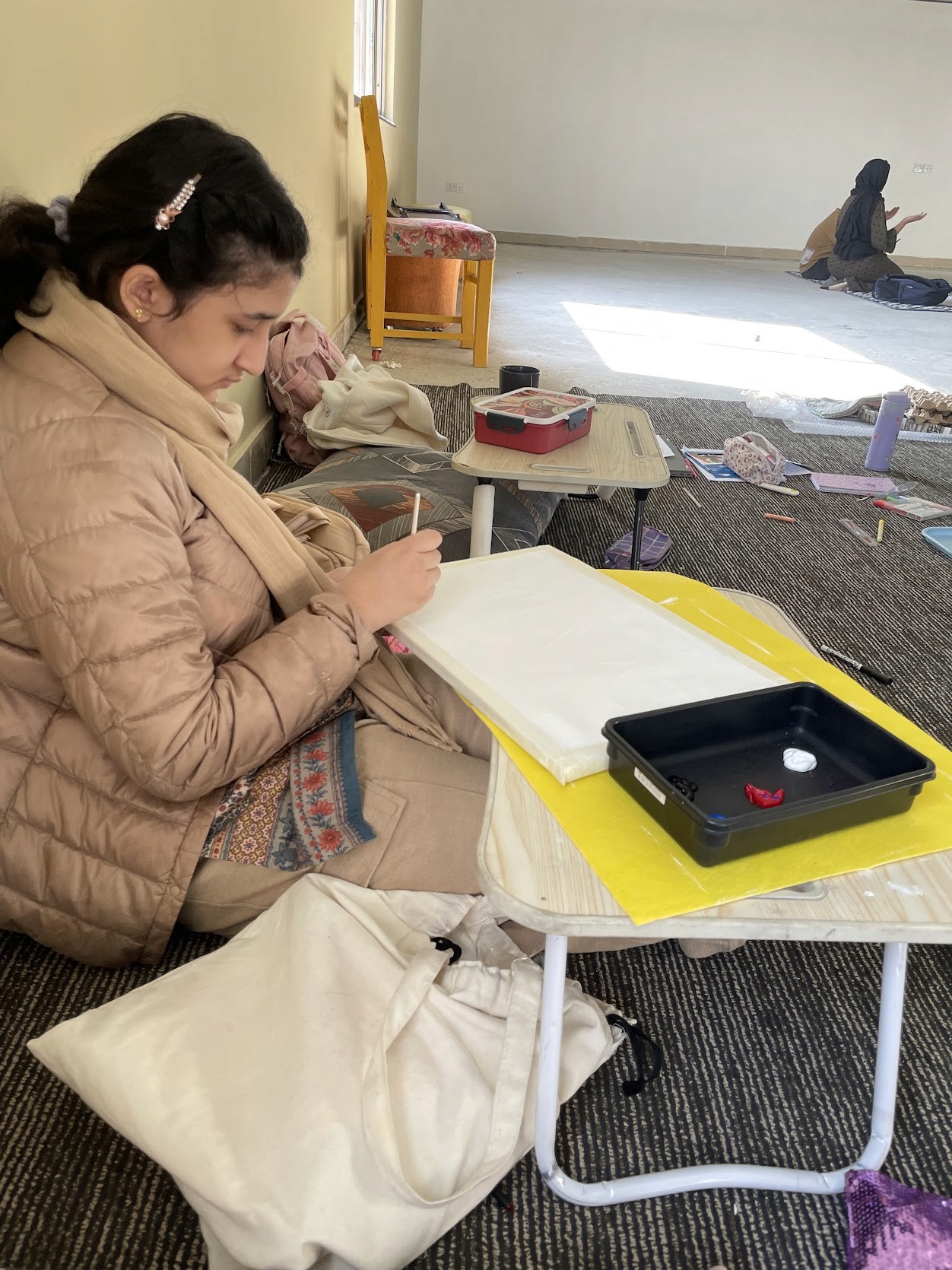
Silence
Stillness, practiced every day.
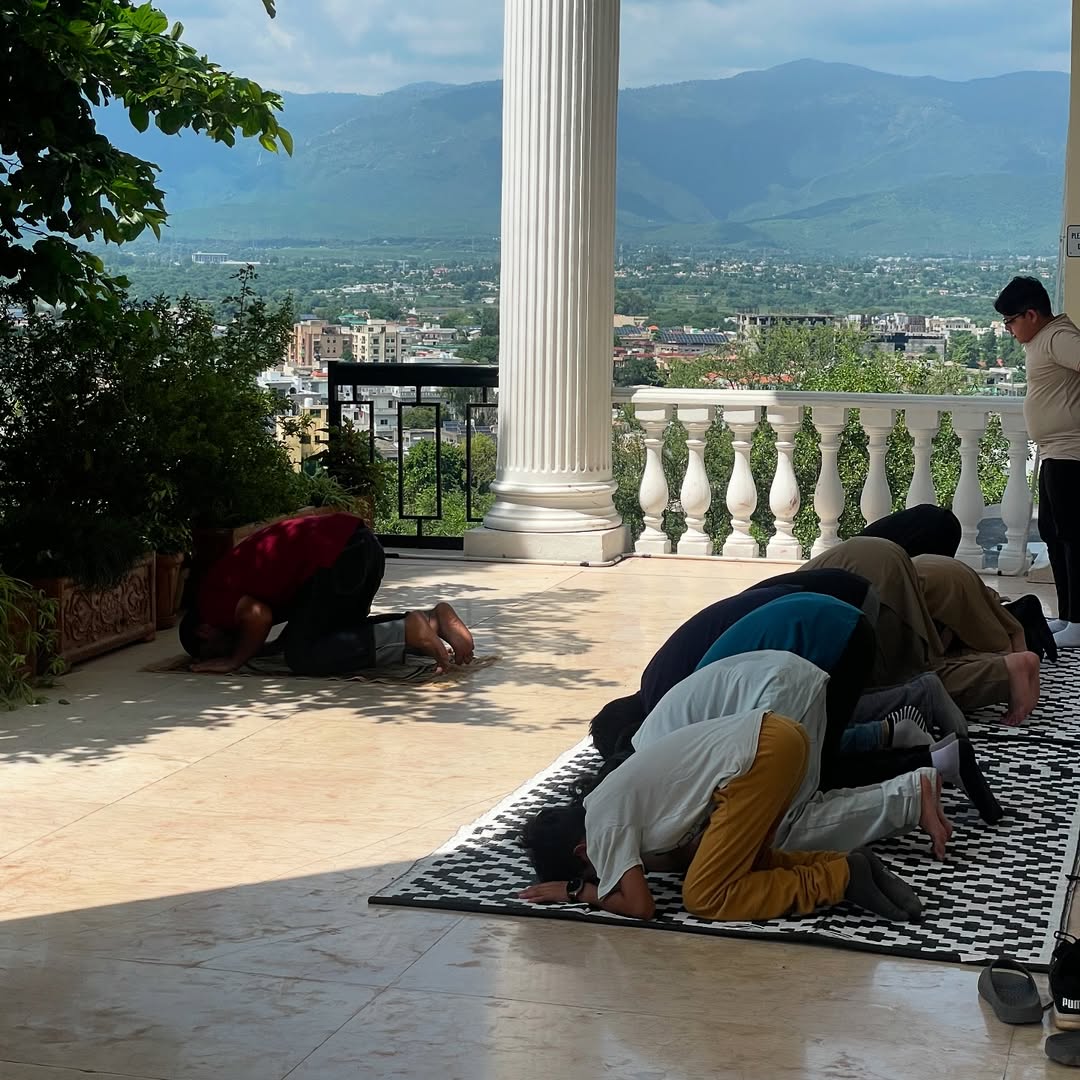
Prayer
A shared rhythm of return.
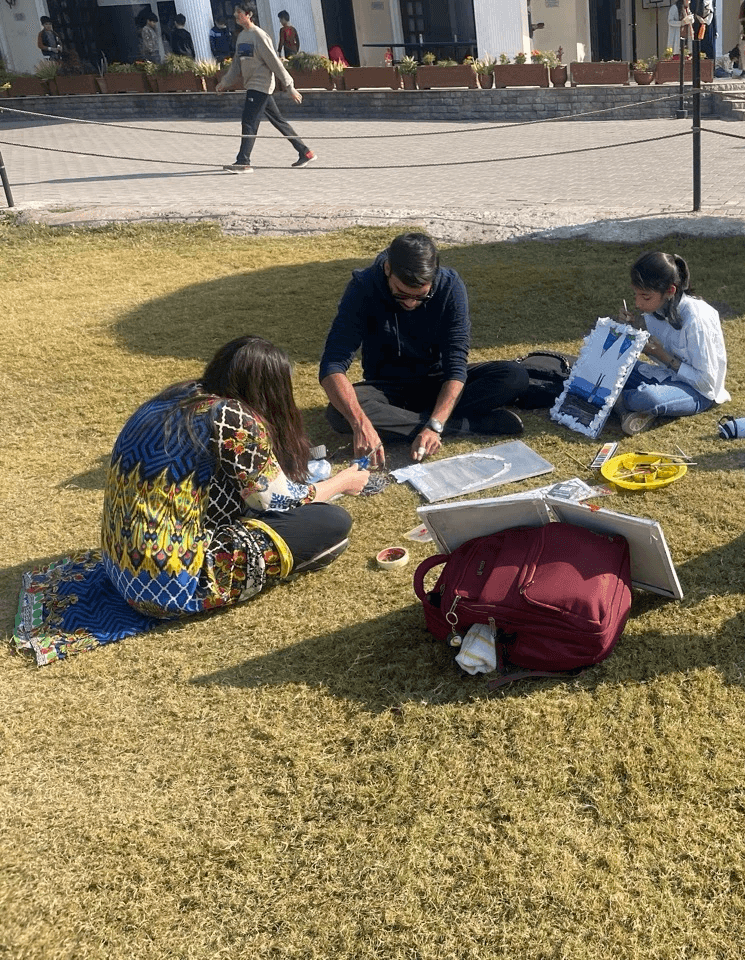
Named Guardians
No child should move through school unseen.
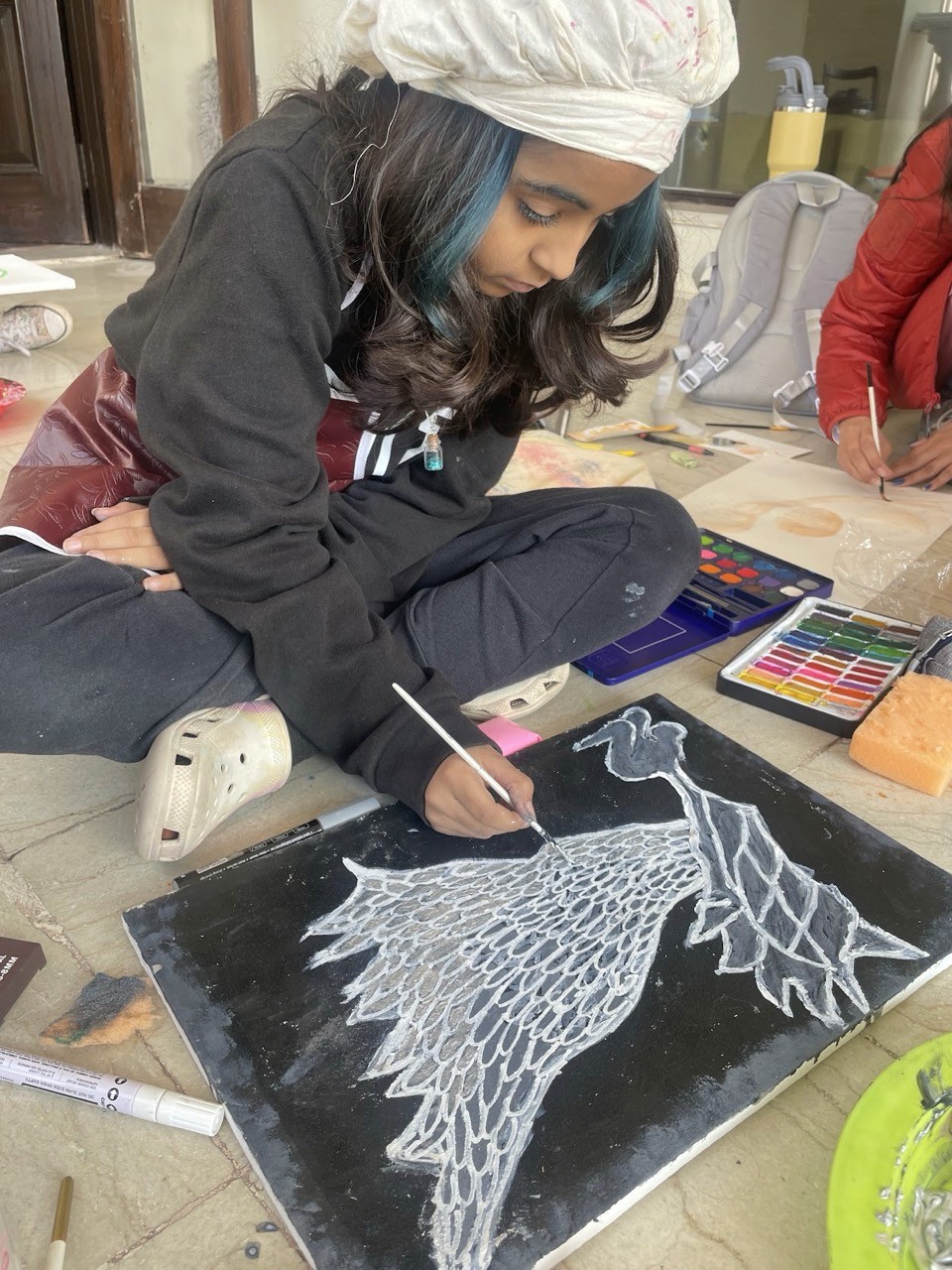
Concentrations
Sustained interest, taken seriously.
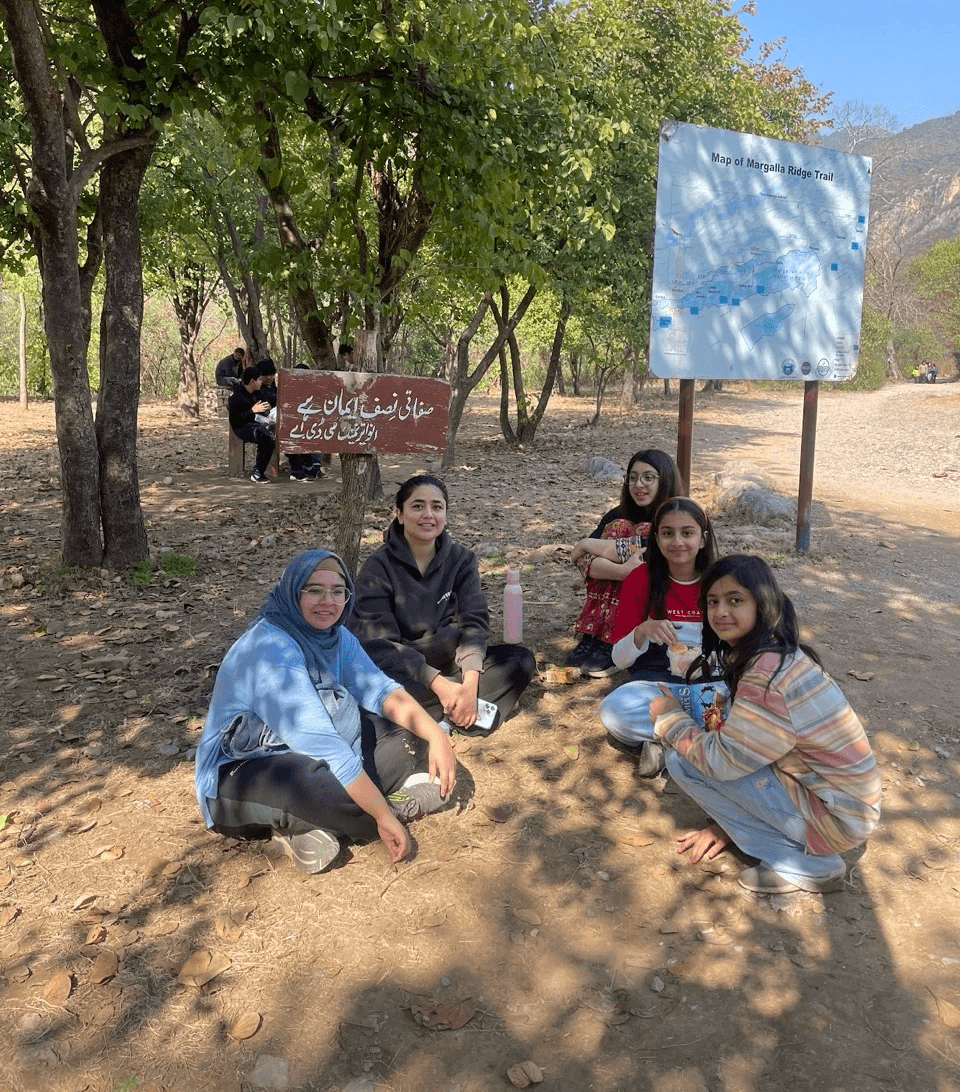
Immersion Weeks
When the timetable folds, deeper learning begins.
Morning Gathering
Every day begins together.
Democratic Assemblies
Children govern real things here.
School Wide Projects
Built together. Left behind for others.
SEL Classes
Serious questions. Real inner work.
Religious Discussion Circles
Quranic reflection, held as conversation.
Silence
Stillness, practiced every day.
Prayer
A shared rhythm of return.
Named Guardians
No child should move through school unseen.
Concentrations
Sustained interest, taken seriously.
Immersion Weeks
When the timetable folds, deeper learning begins.
Morning Gathering
Every day begins together.
Democratic Assemblies
Children govern real things here.
School Wide Projects
Built together. Left behind for others.
SEL Classes
Serious questions. Real inner work.
Religious Discussion Circles
Quranic reflection, held as conversation.
Silence
Stillness, practiced every day.
Prayer
A shared rhythm of return.
Named Guardians
No child should move through school unseen.
Concentrations
Sustained interest, taken seriously.
Immersion Weeks
When the timetable folds, deeper learning begins.
A framework means nothing
if it does not become a day.
The shape of school life
At Edopia, the framework becomes a day. It shows up in how children speak to each other. In how they sit in silence. In how they take responsibility for shared life. In how they build things together. In how they move through academics, community, and concentrations. In how immersion weeks reorganise the whole school around one deep question. In how adults hold children with seriousness, honesty, and care. The framework is experienced through the school’s everyday rhythms.
A framework means nothing
if it does not become a day.
The shape of school life
At Edopia, the framework becomes a day. It shows up in how children speak to each other. In how they sit in silence. In how they take responsibility for shared life. In how they build things together. In how they move through academics, community, and concentrations. In how immersion weeks reorganise the whole school around one deep question. In how adults hold children with seriousness, honesty, and care. The framework is experienced through the school’s everyday rhythms.
A framework is meaningless without execution.
The shape of school life
At Edopia, the framework becomes a day. It shows up in how children speak to each other. In how they sit in silence. In how they take responsibility for shared life. In how they build things together. In how they move through academics, community, and concentrations. In how immersion weeks reorganise the whole school around one deep question. In how adults hold children with seriousness, honesty, and care. The framework is experienced through the school’s everyday rhythms.
The strength of a school is not in its ideas, but in the structure that allows those ideas to live.
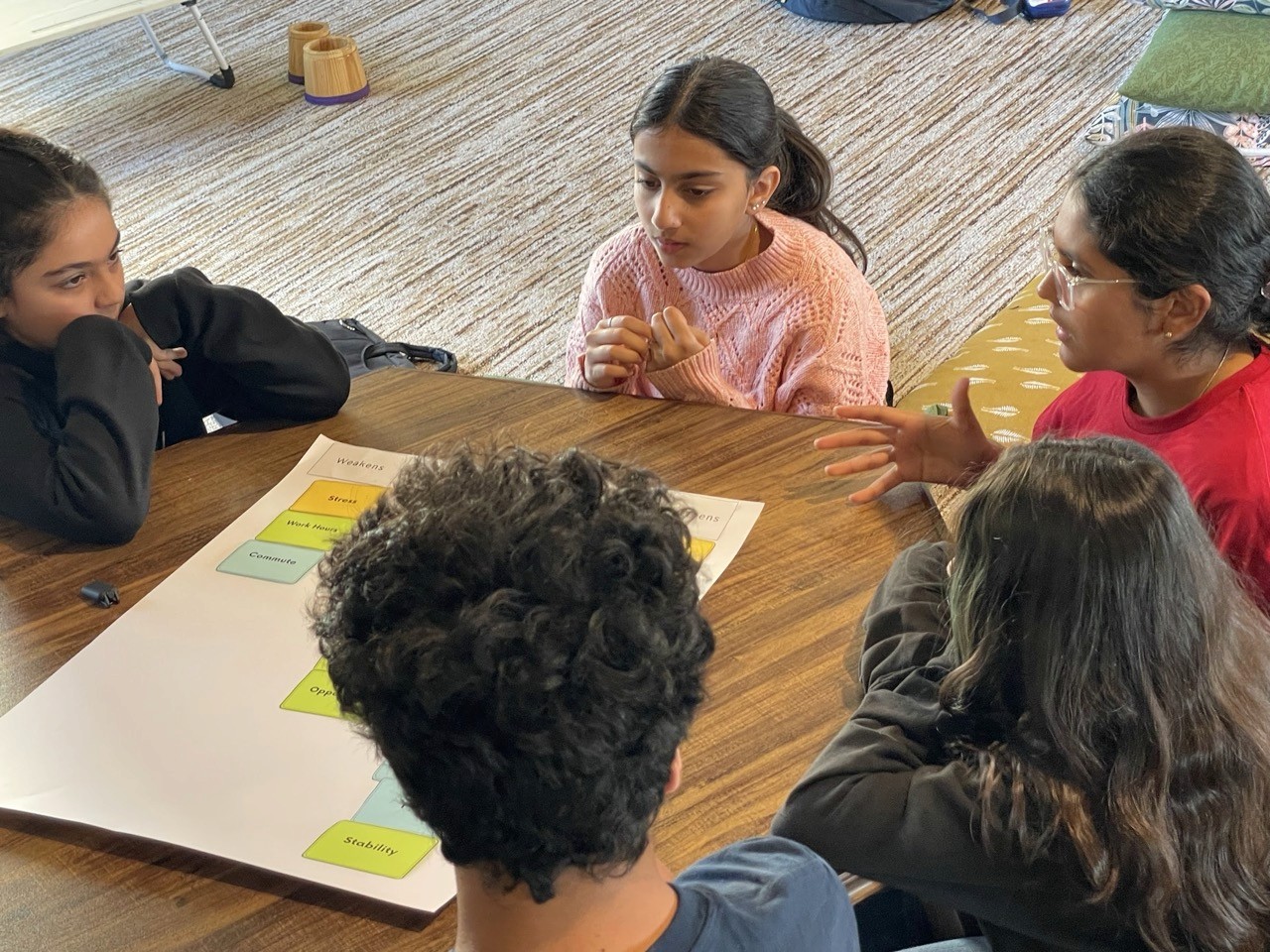
The strength of a school is not in its ideas, but in the structure that allows those ideas to live.
The strength of a school is not in its ideas, but in the structure that allows those ideas to live.