How learning is structured at Edopia
From Preschool to O Levels.
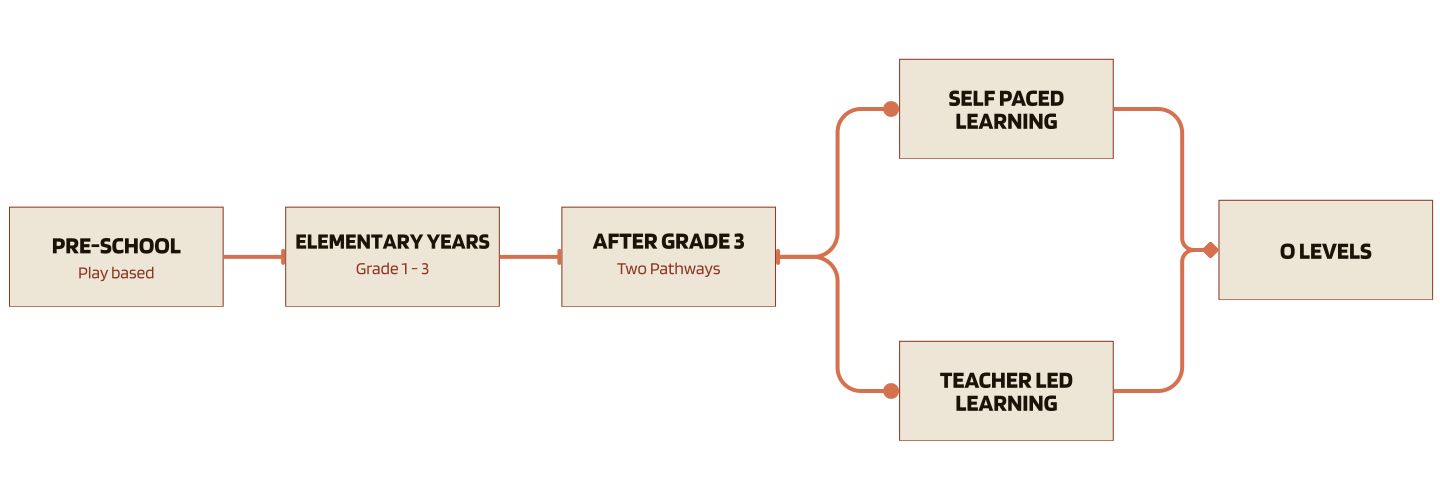
At Edopia, academic learning is serious, structured, and responsive to the child. The pathway changes across the years, but the aim stays the same: depth, steadiness, and real understanding.
Play based and inquiry led
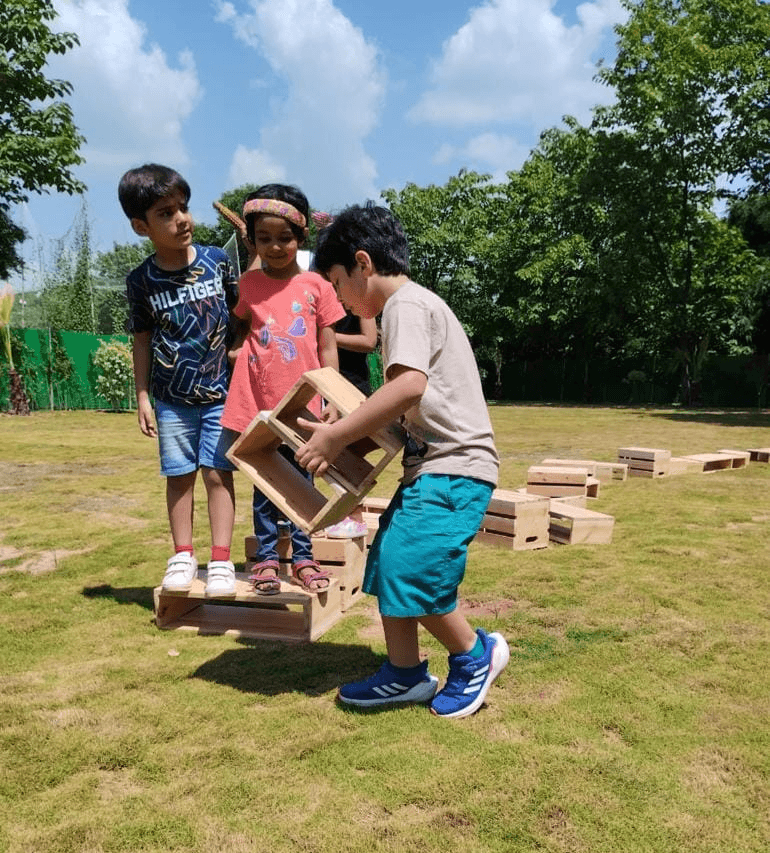
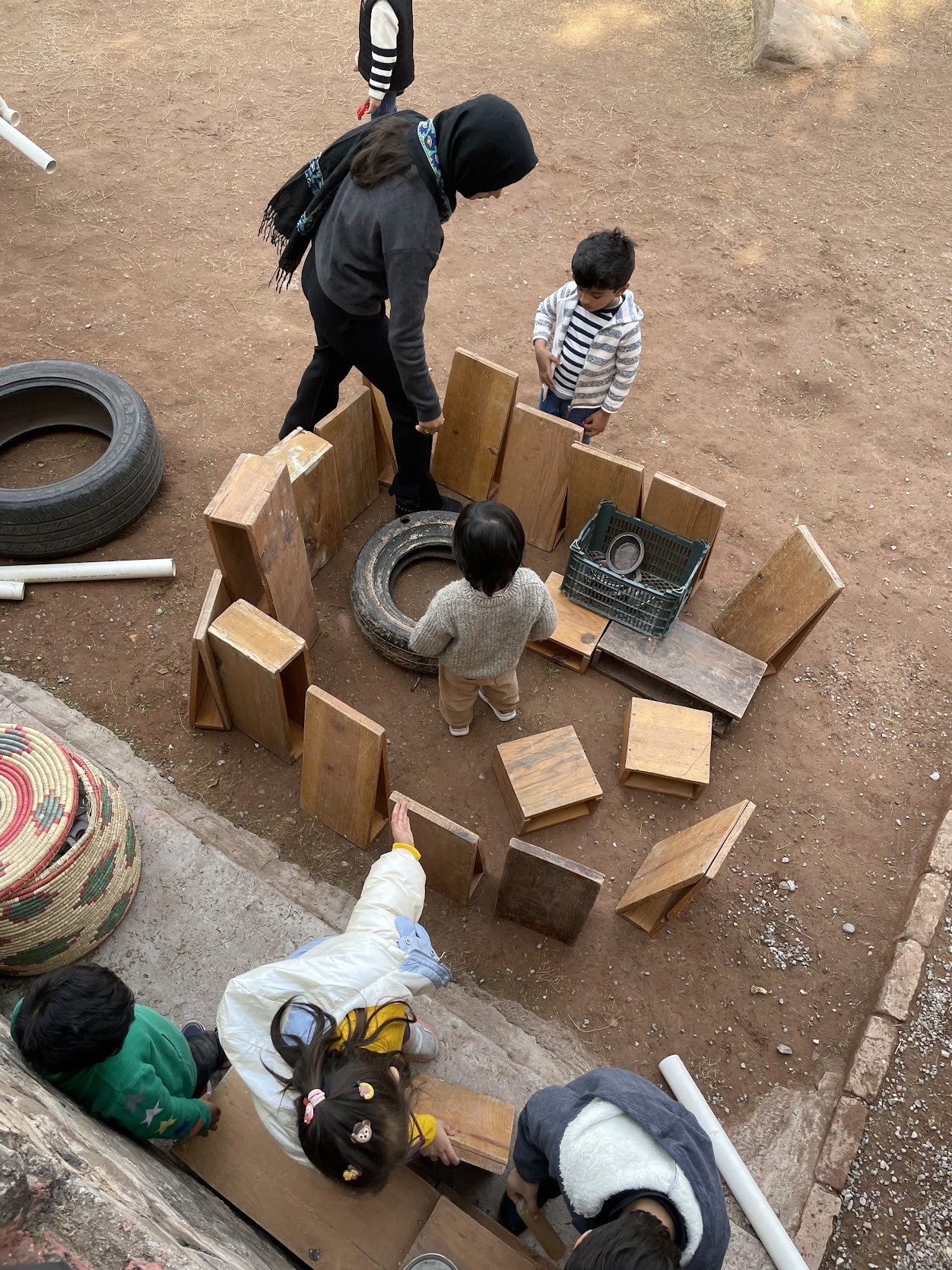
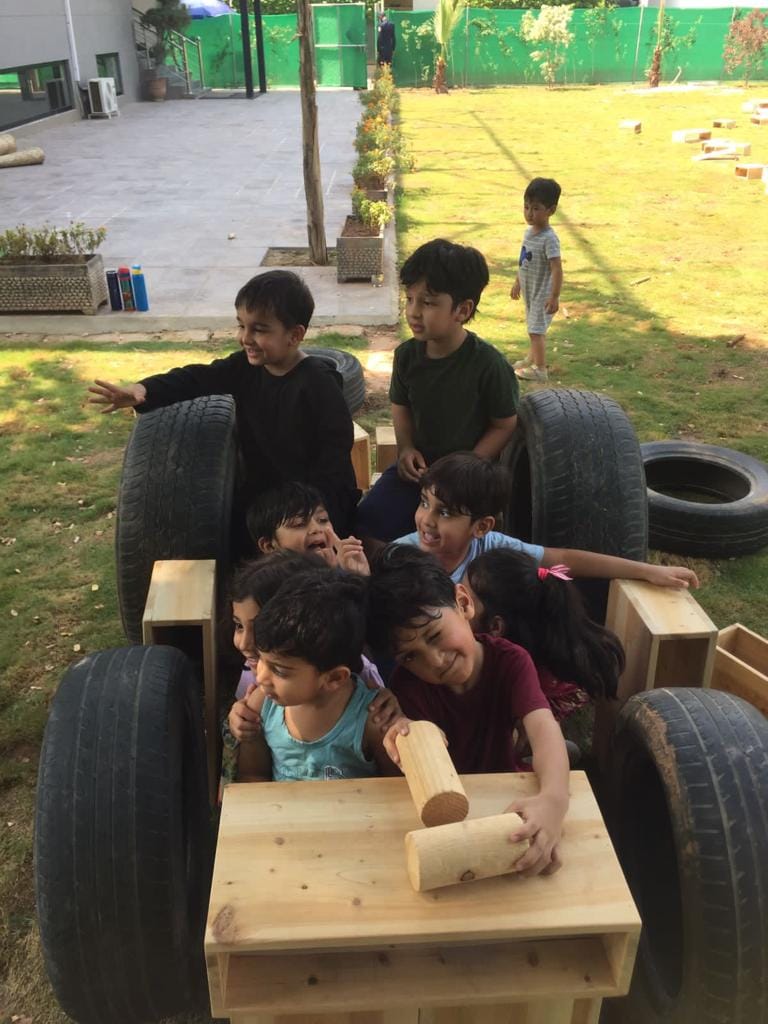
Play is the most serious work a young child does. It is how children build language, form relationships, use imagination, understand cause and effect, and begin to make sense of the world. Through this, they develop intellectual skills like attention, curiosity, problem-solving, and the ability to think and make meaning.
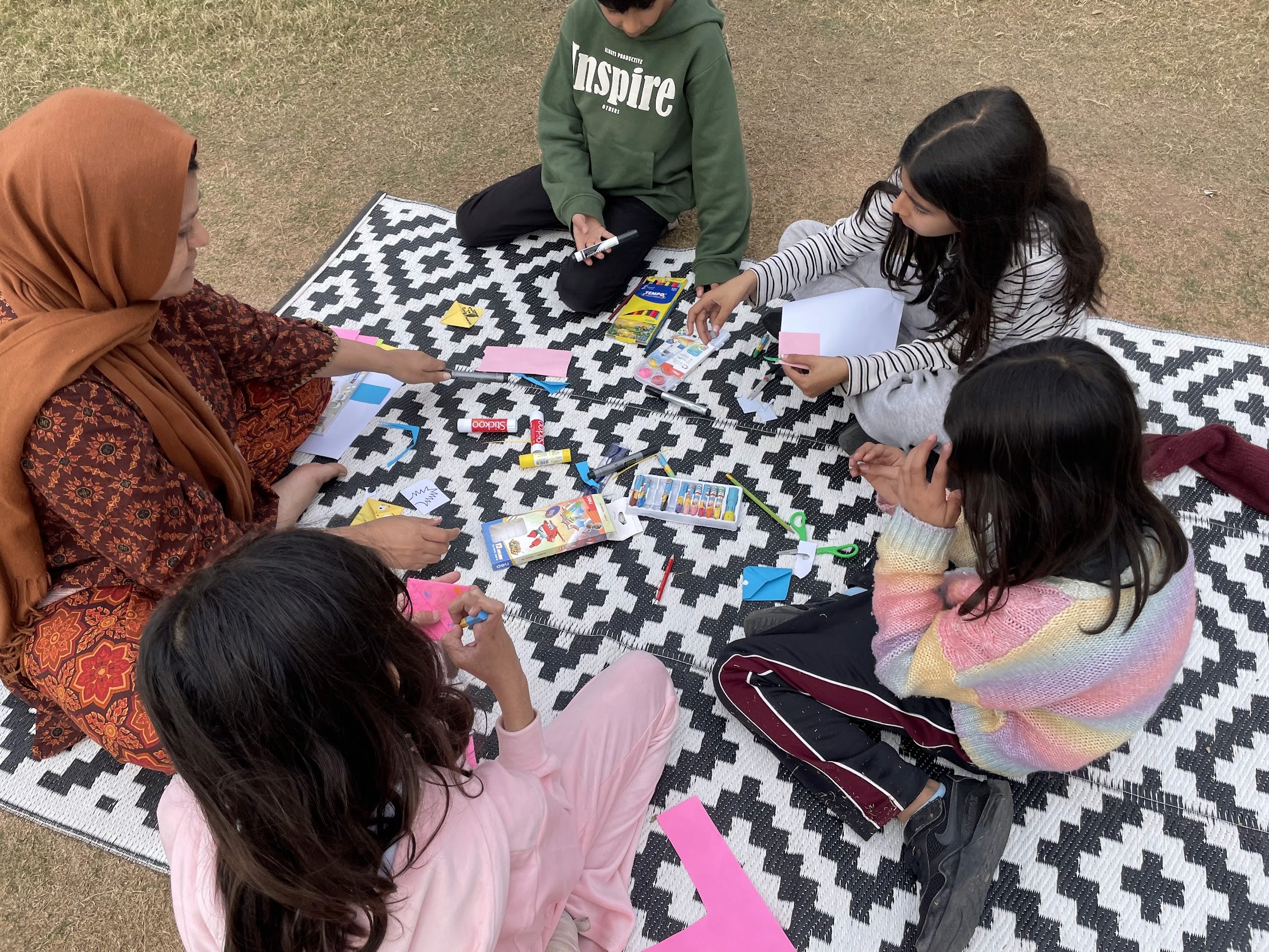
Our preschool is fully play-based and inquiry-led. The environment offers open-ended materials, time, and attentive adults who observe and respond with care. Children explore, return to ideas, and figure things out with their peers and educators. This is where real thinking begins to grow.
Academic skills grow from this foundation. Literacy begins through story, use, repetition, and play.
The framework outlined on the website comes into focus from Grade 1 onward. In the early years, learning is shaped through play and inquiry, guided by careful observation, thoughtful environments, and responsive adults.
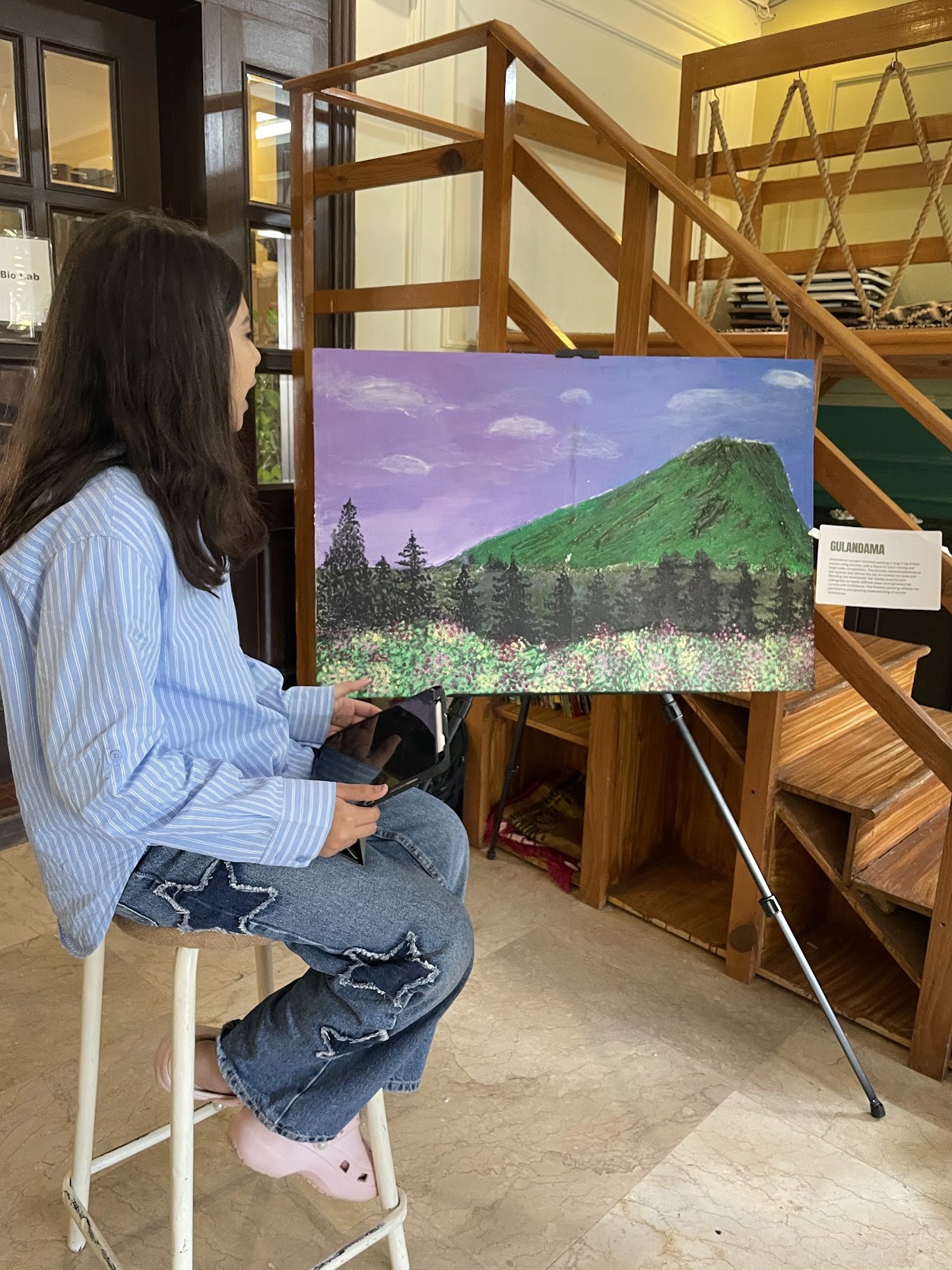
You can see what this looks like in practice through our Slowlooking journals.
Grades 1 to 3 :
the shared foundation
English, Urdu, Mathematics, and Science are taught with seriousness and care. Learning is supported and assessed carefully.
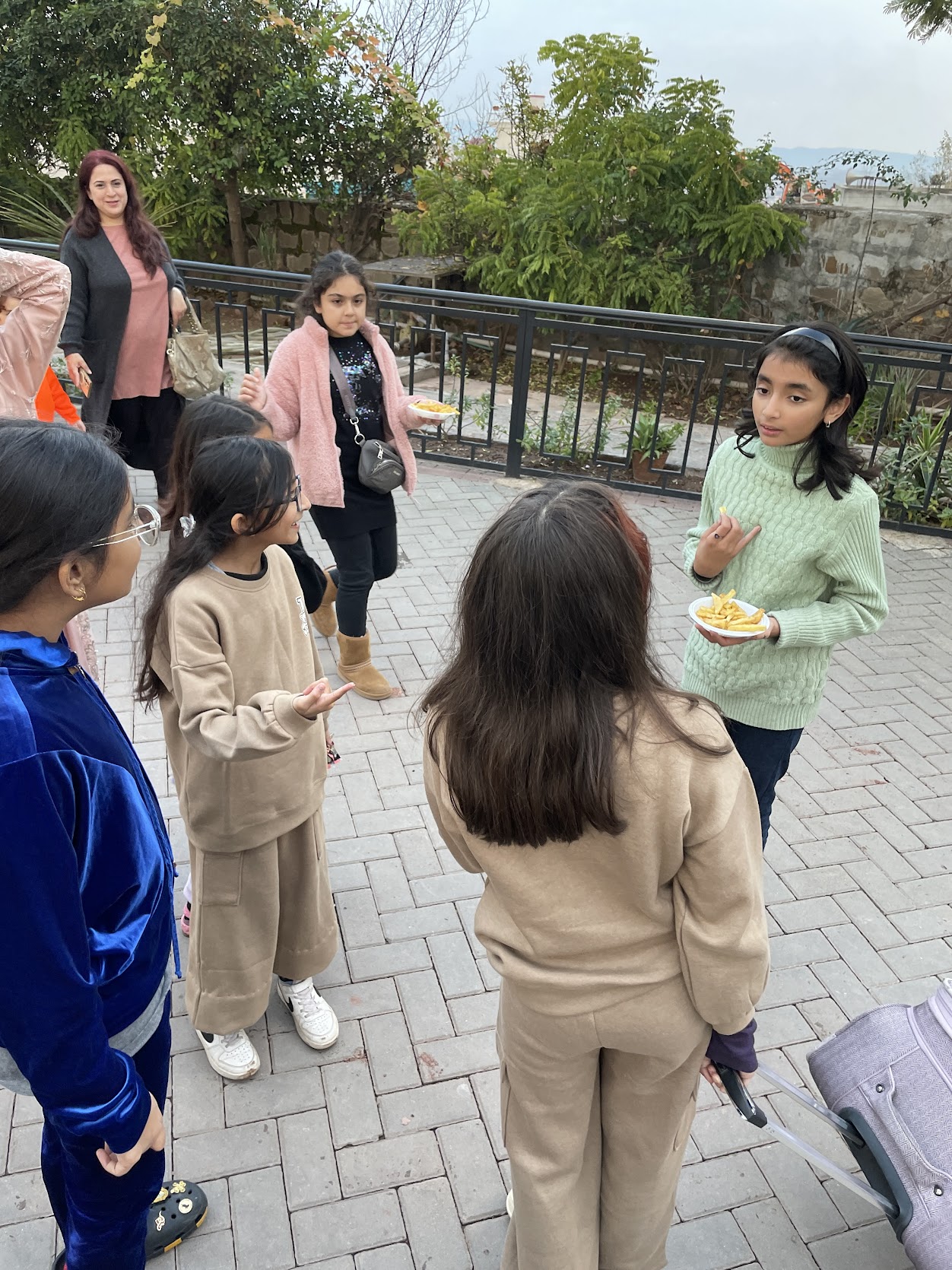
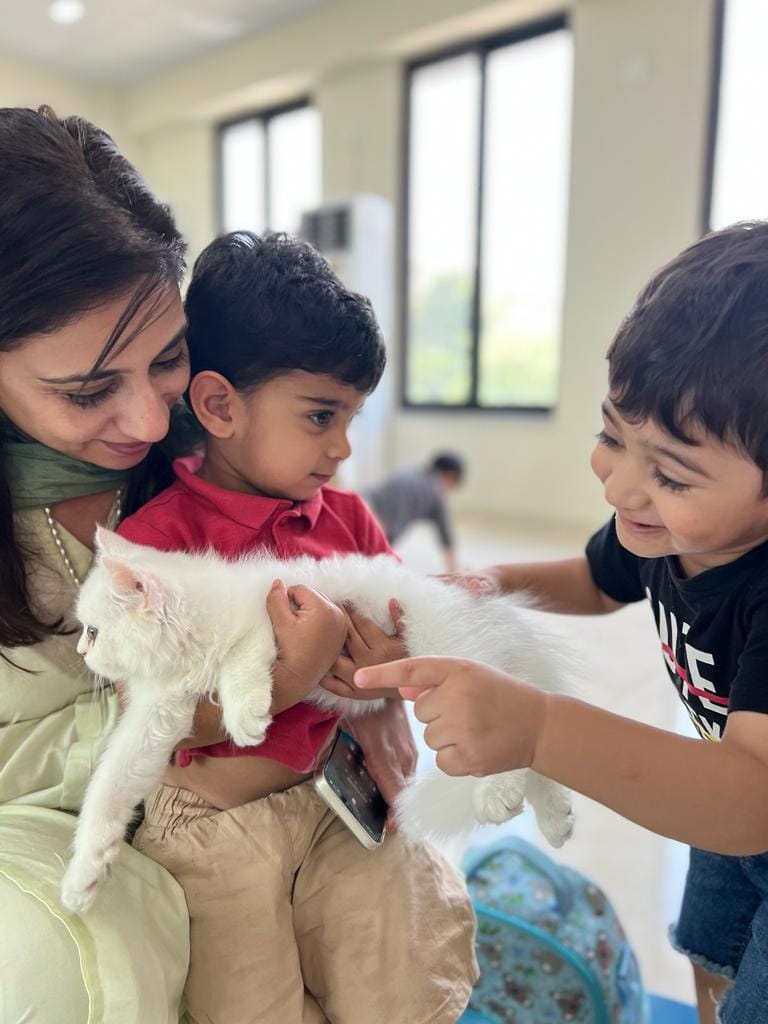
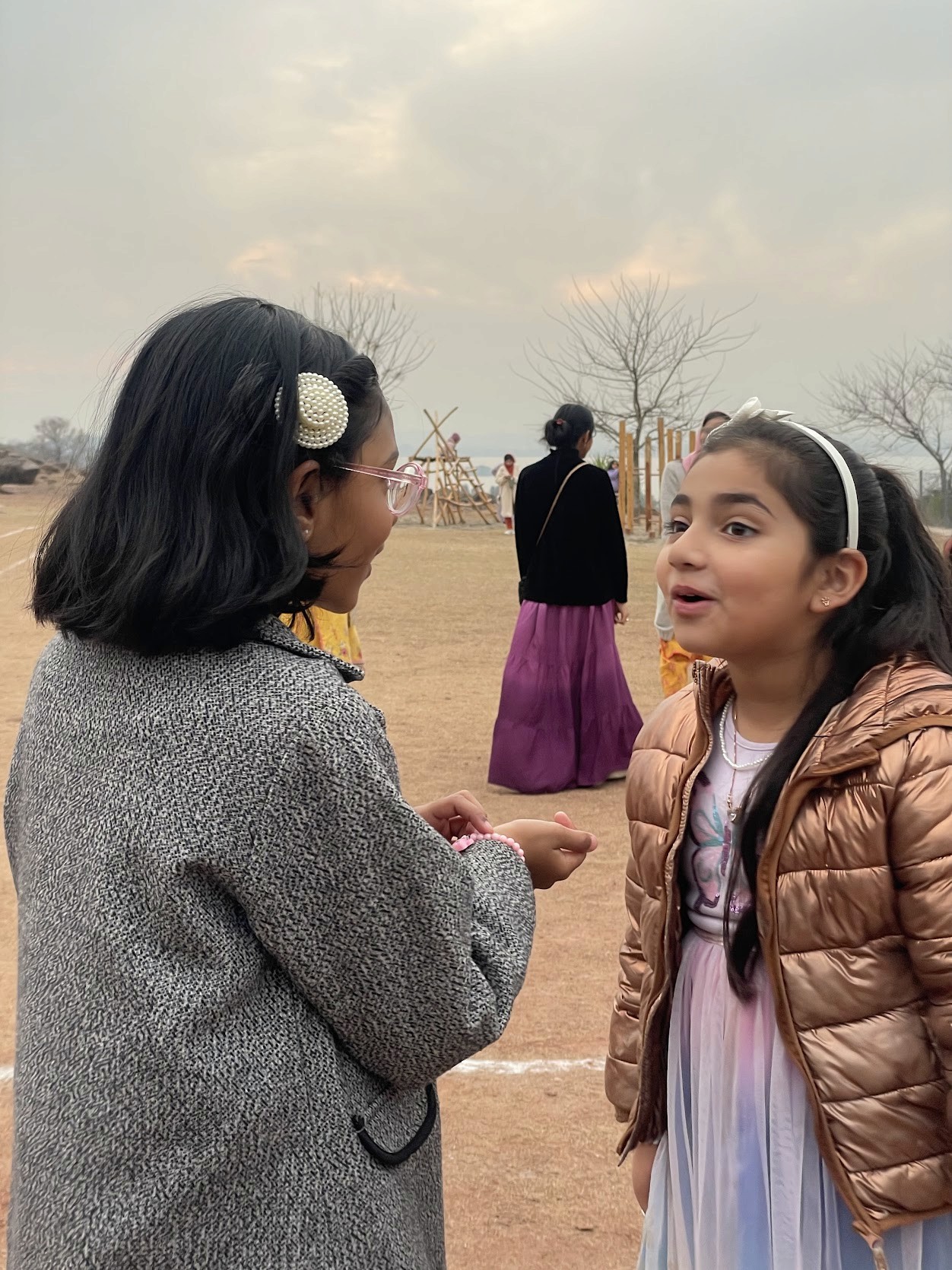
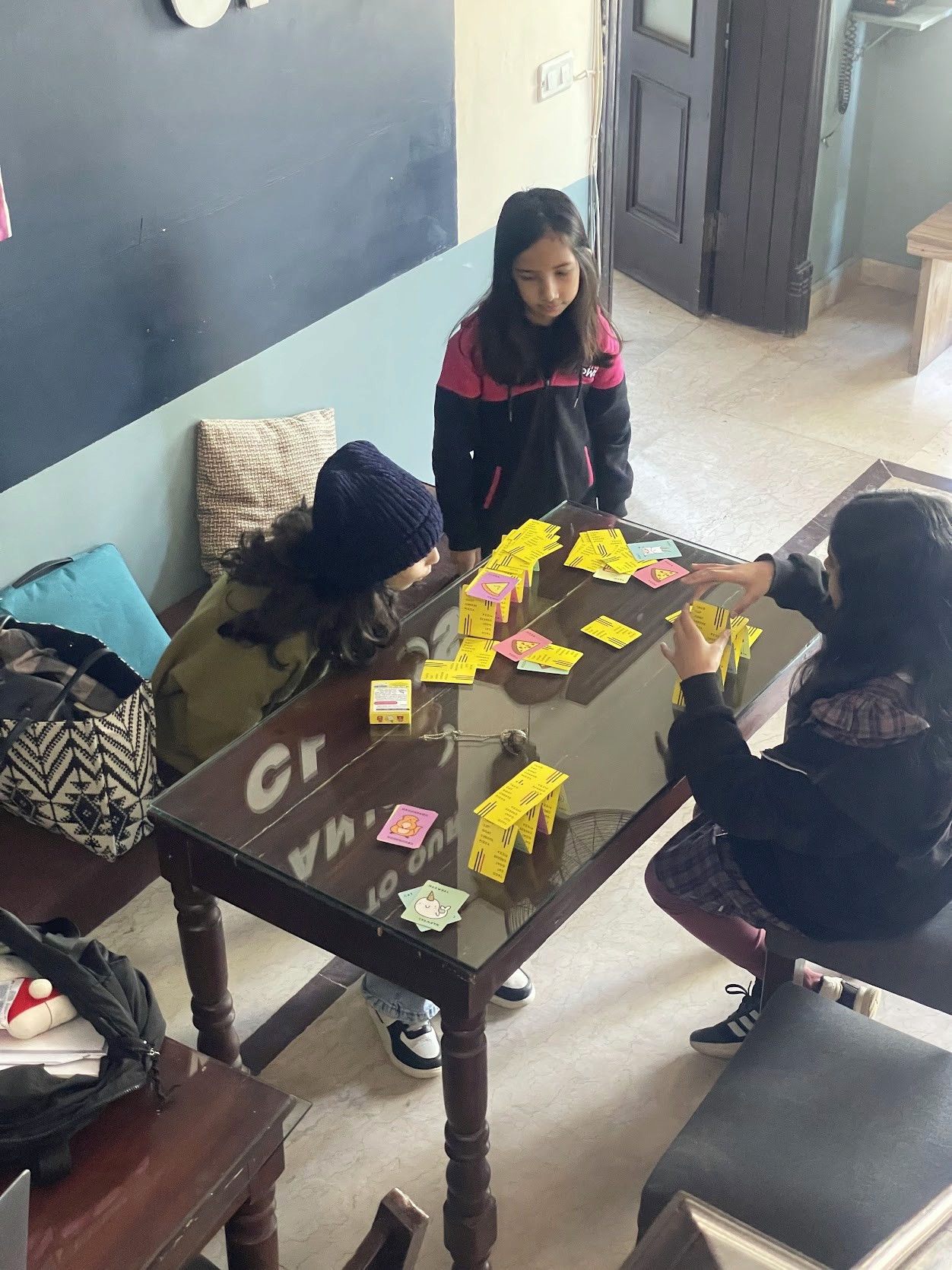
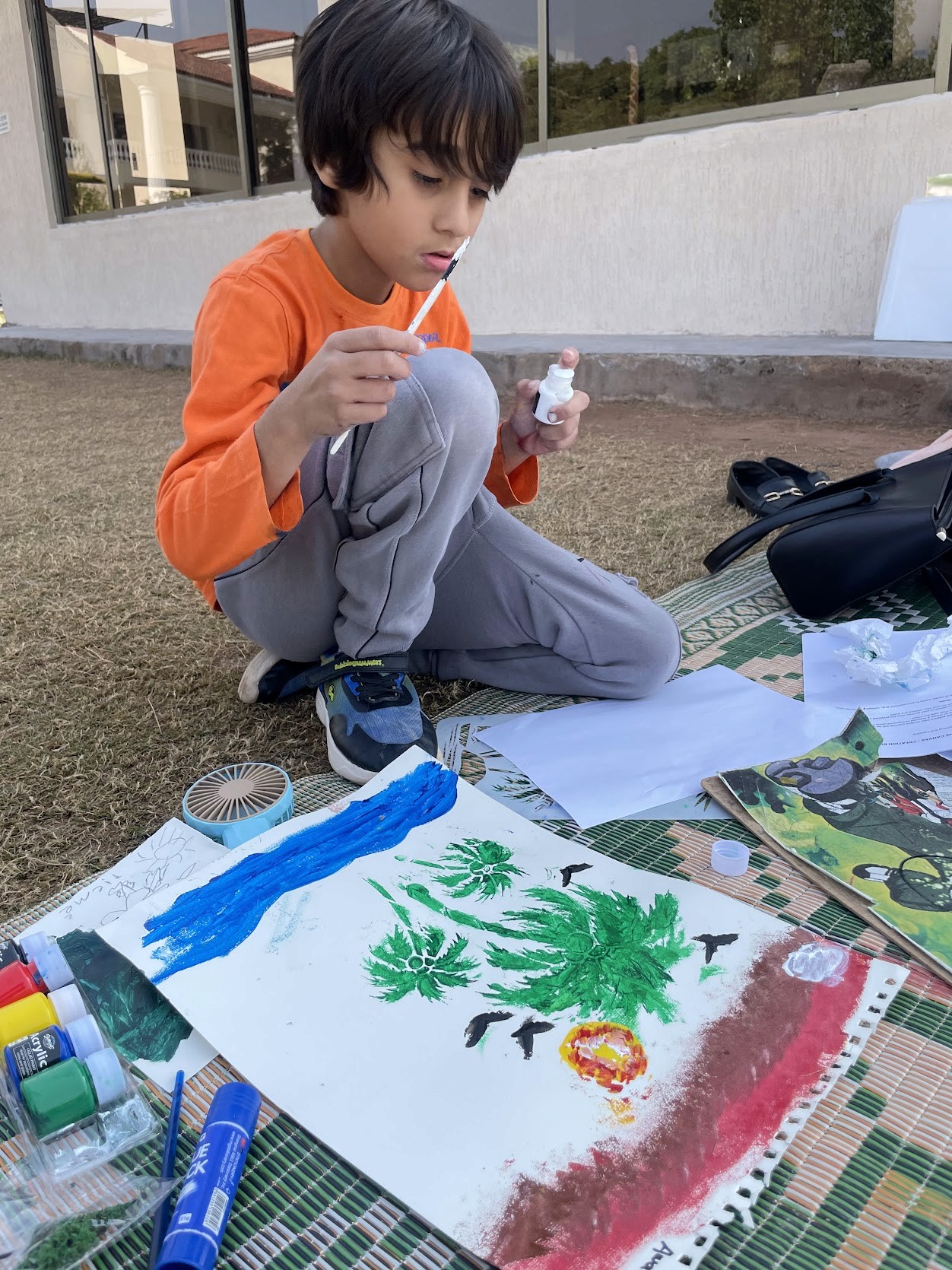
From the beginning, the academic block sits alongside community life and concentrations. Children are community members, practitioners, and inquirers.
This is also where self-pacing begins in a supported way. Children start learning that progress is not about racing ahead. It is about being ready, and having teachers who know them well enough to recognise that readiness.
Two pathways,
equally respected
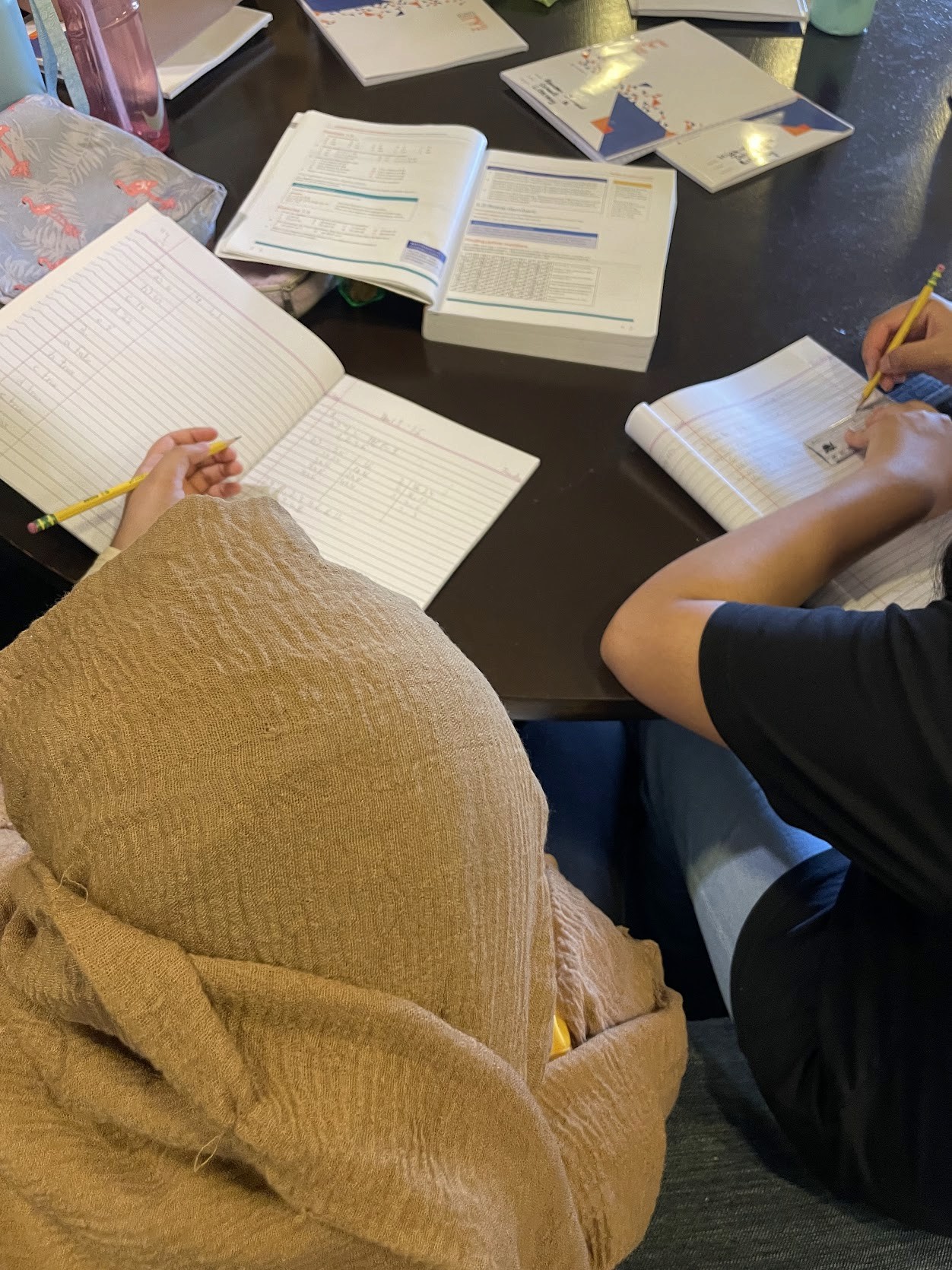
From Grade 4 onward, families and children choose between two academic pathways. Both are rigorous. Both are respected equally within this school.
The choice is not about which pathway is more prestigious. It is about the child, how they learn, what they need, and where they are.
We do not believe every child should be forced into one shape simply because that shape is easier for institutions to manage.
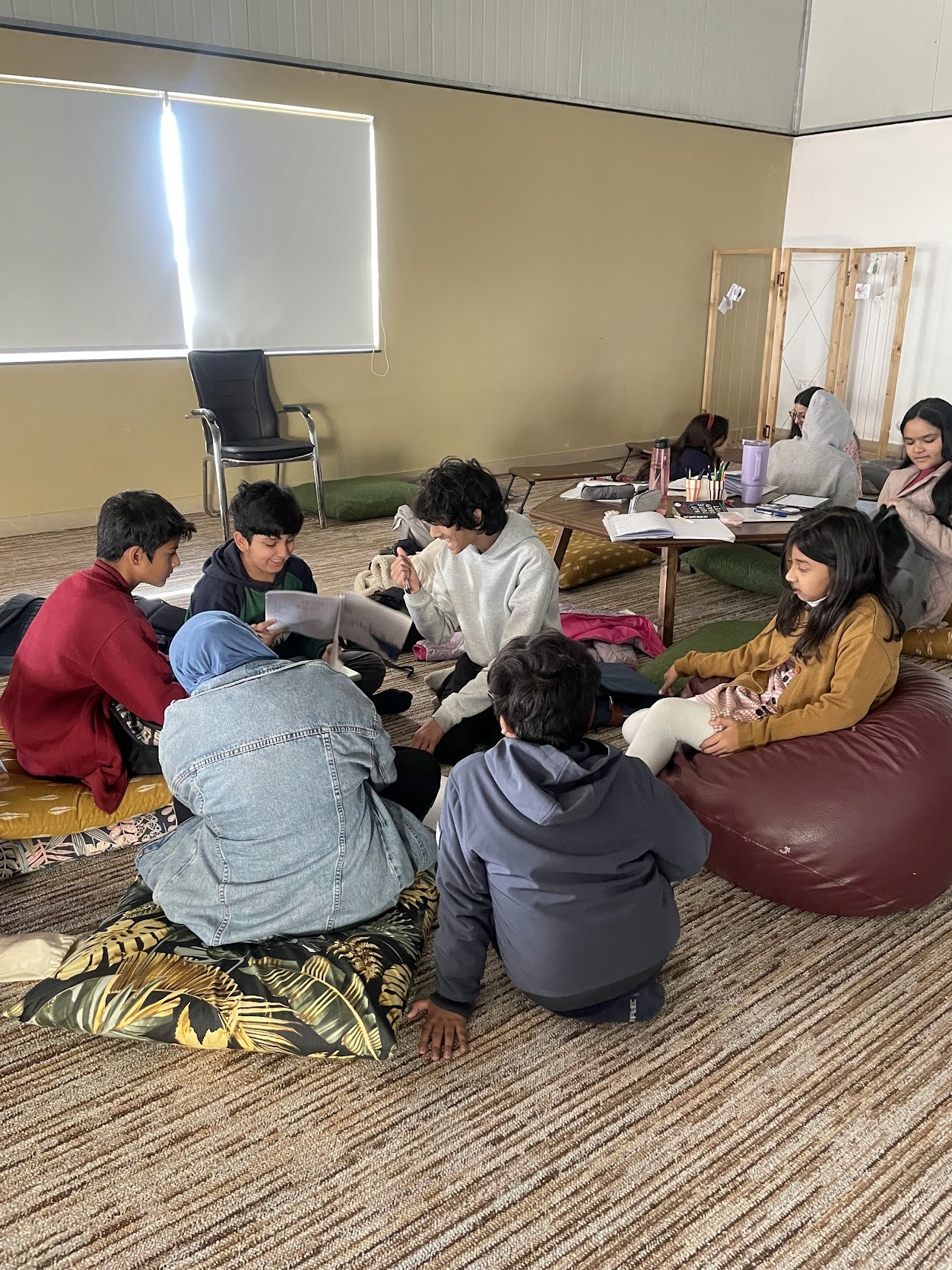
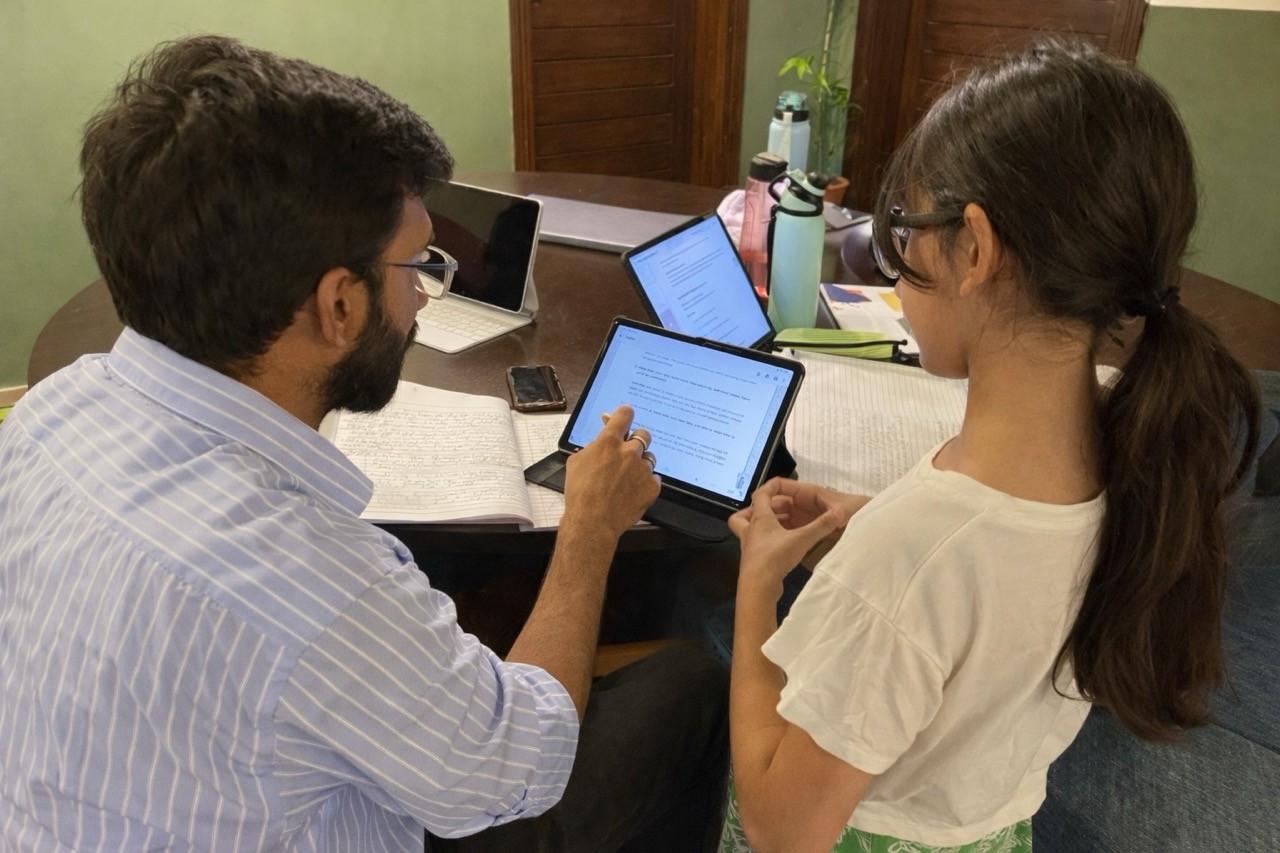
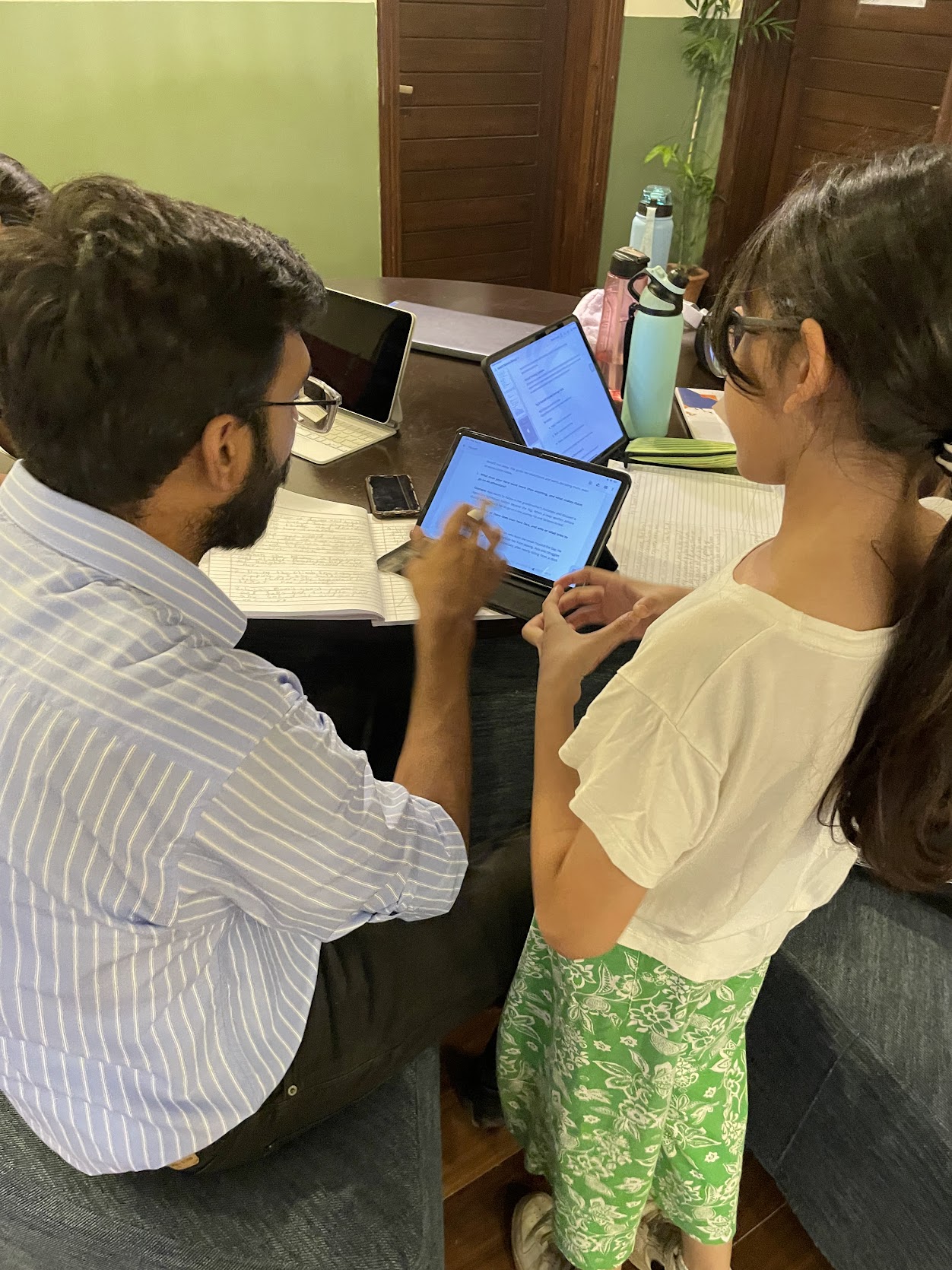
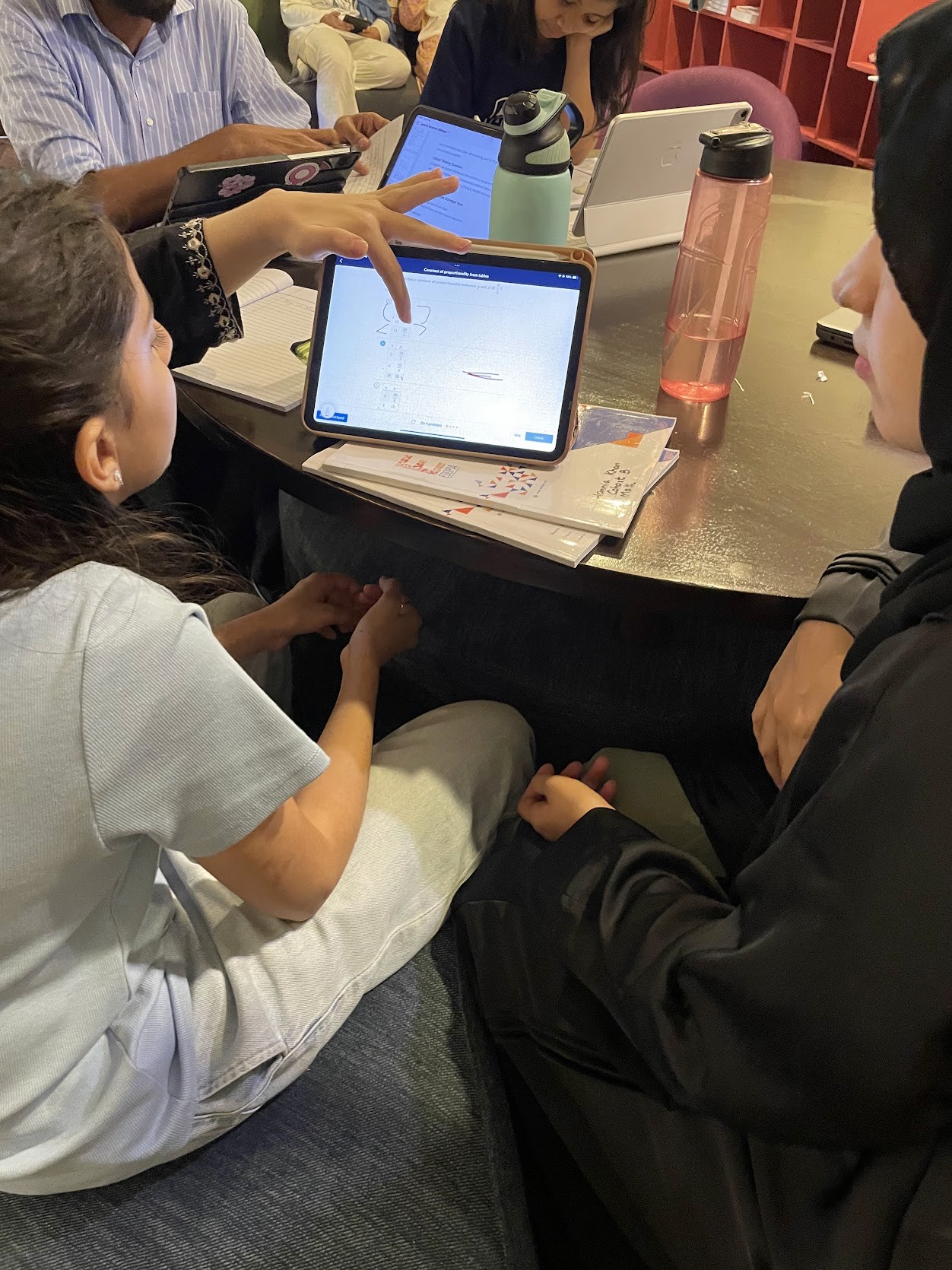
Self Paced Learning
A rigorous pathway for children who progress best through depth, autonomy, and close teacher guidance. Children move forward when they have genuinely understood, not when the calendar says they should. There are no grade levels in the self-paced learning program.
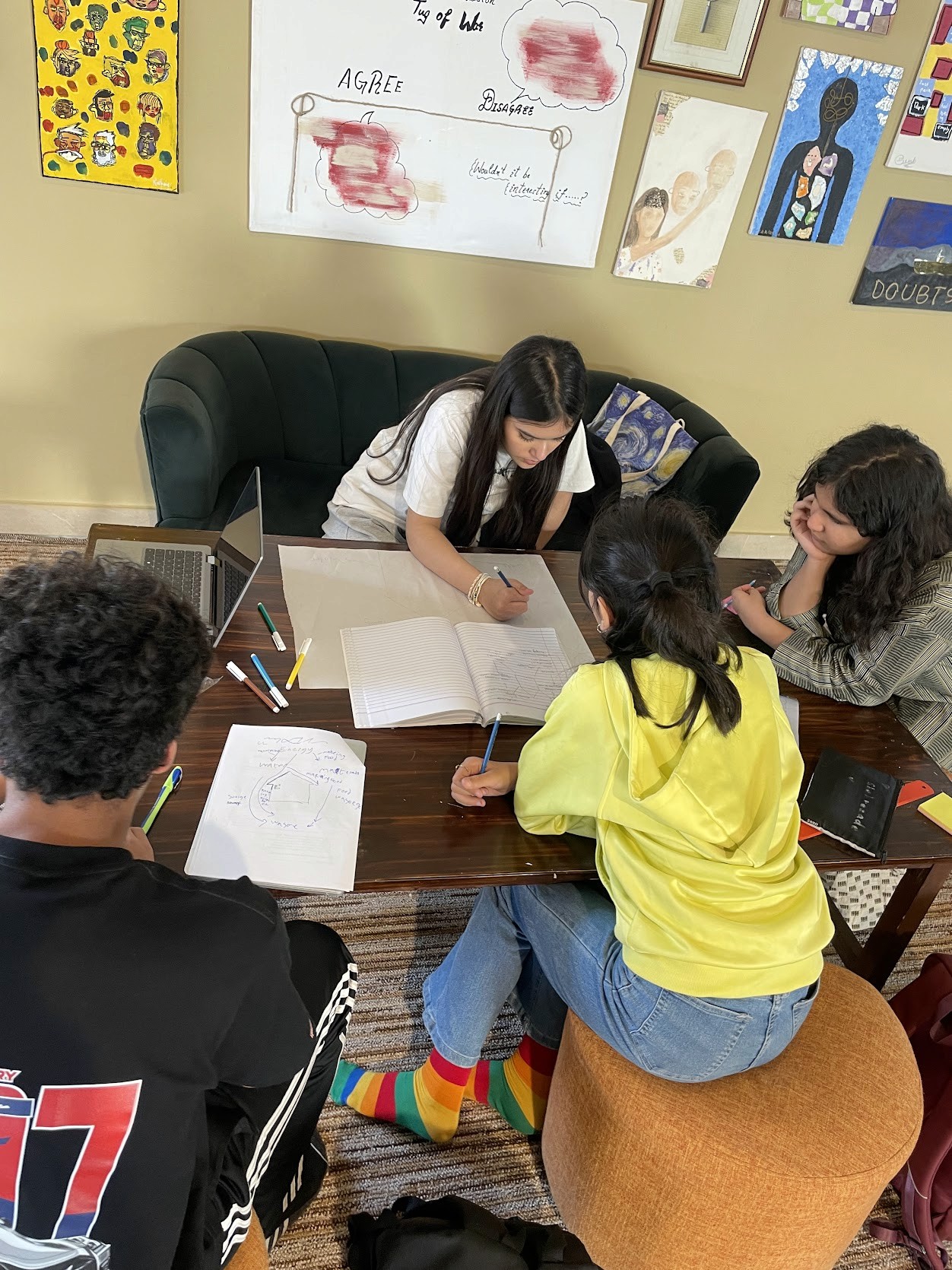
How it works
Progress follows readiness
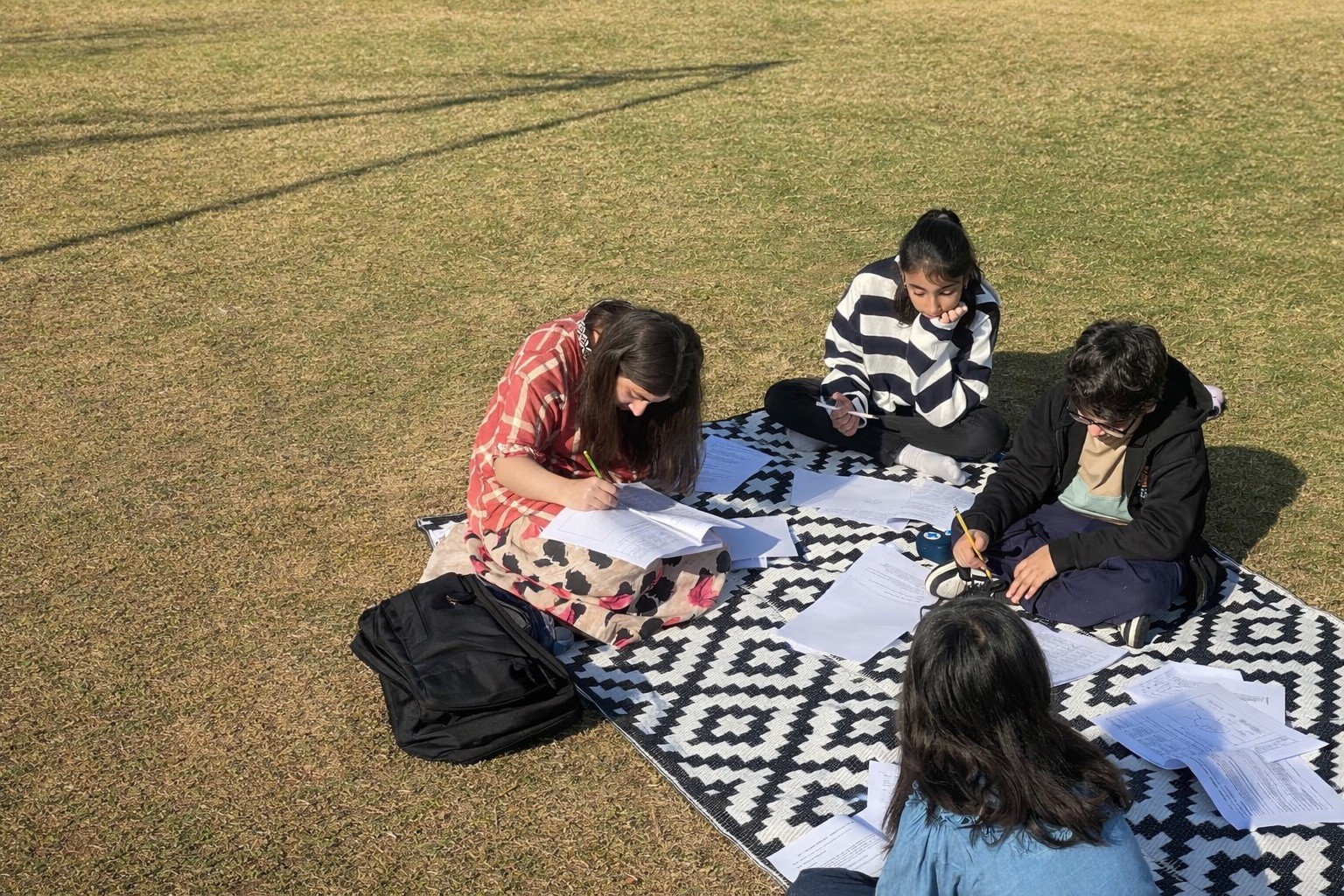
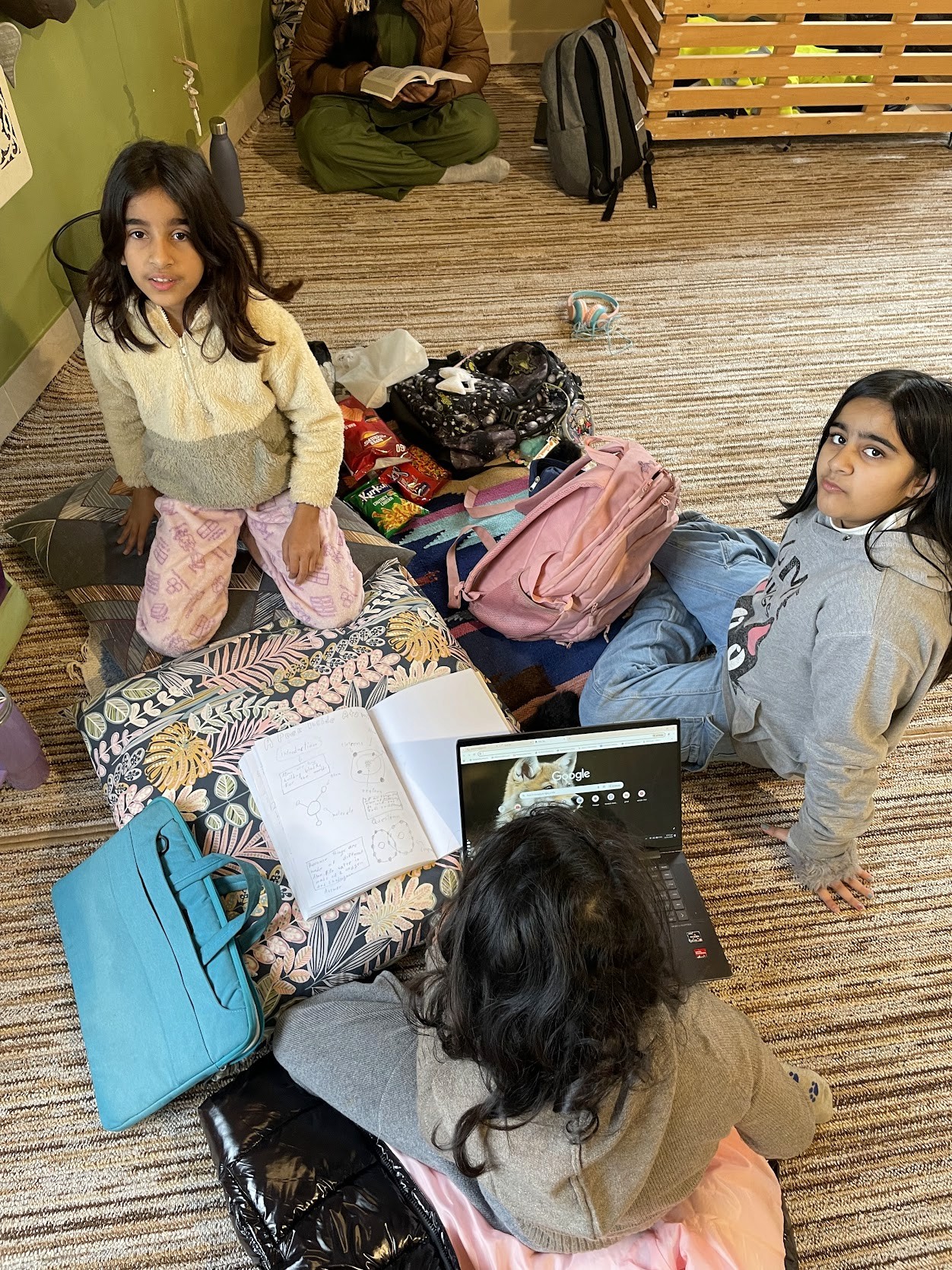
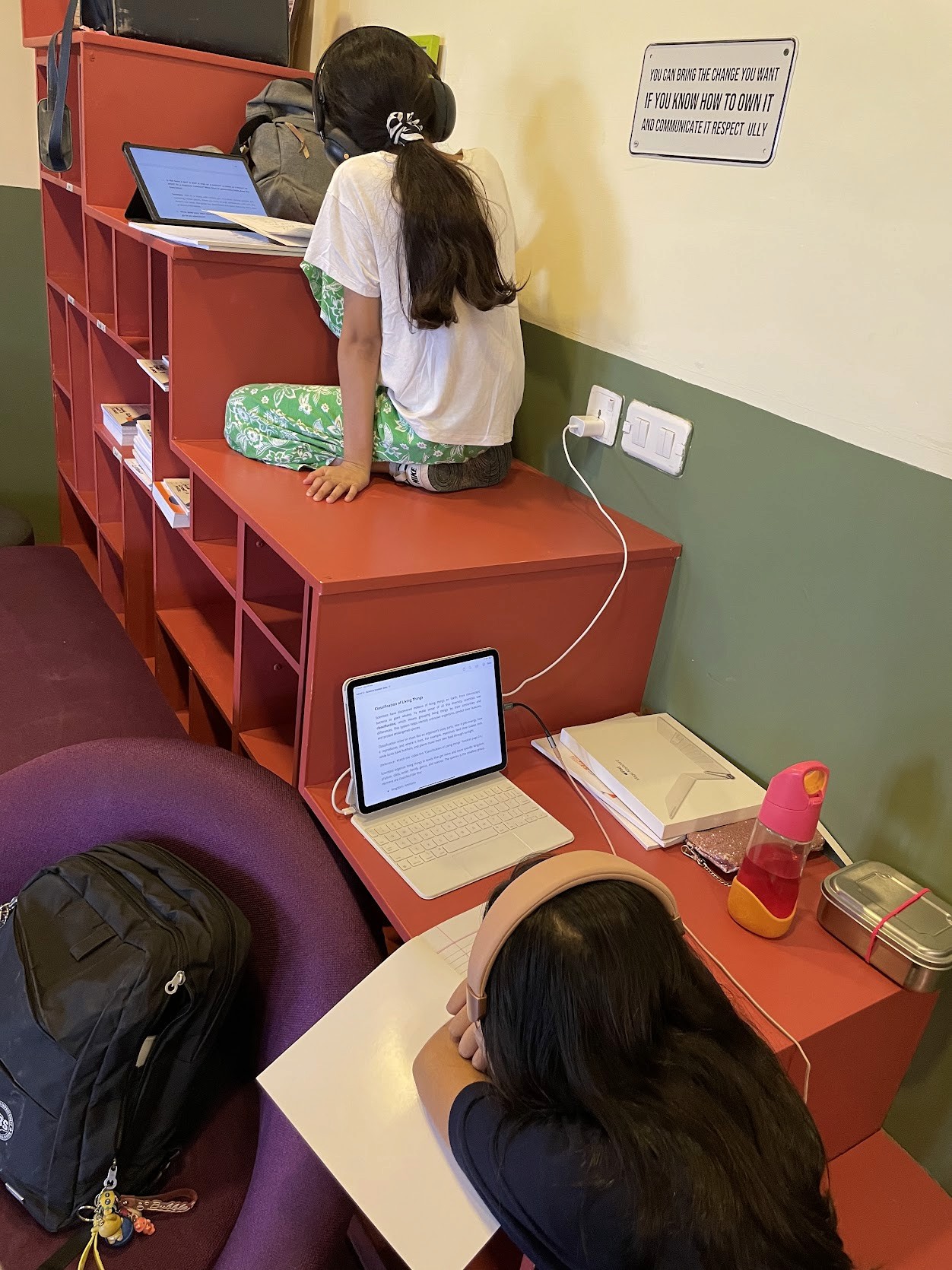
Children work through the curriculum at their own pace in multi-age cohorts. Teachers track progress closely, guide the work, and step in where needed, but learning is not organised around conventional year-group movement.
Why it exists
Not every child learns evenly
This pathway is designed for children who learn in bursts, need more time in some areas, and move quickly in others. It protects genuine understanding over forced pace.
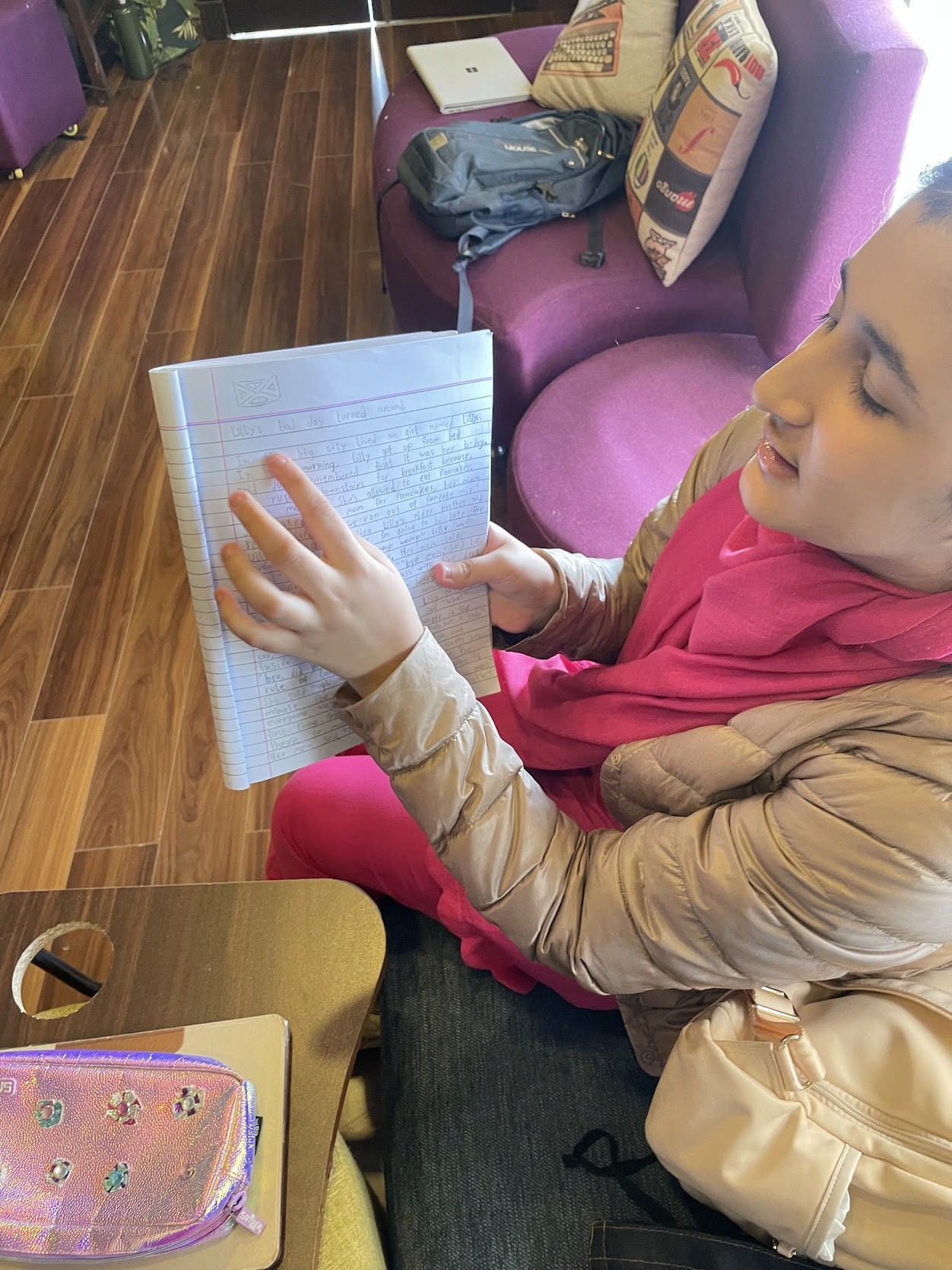
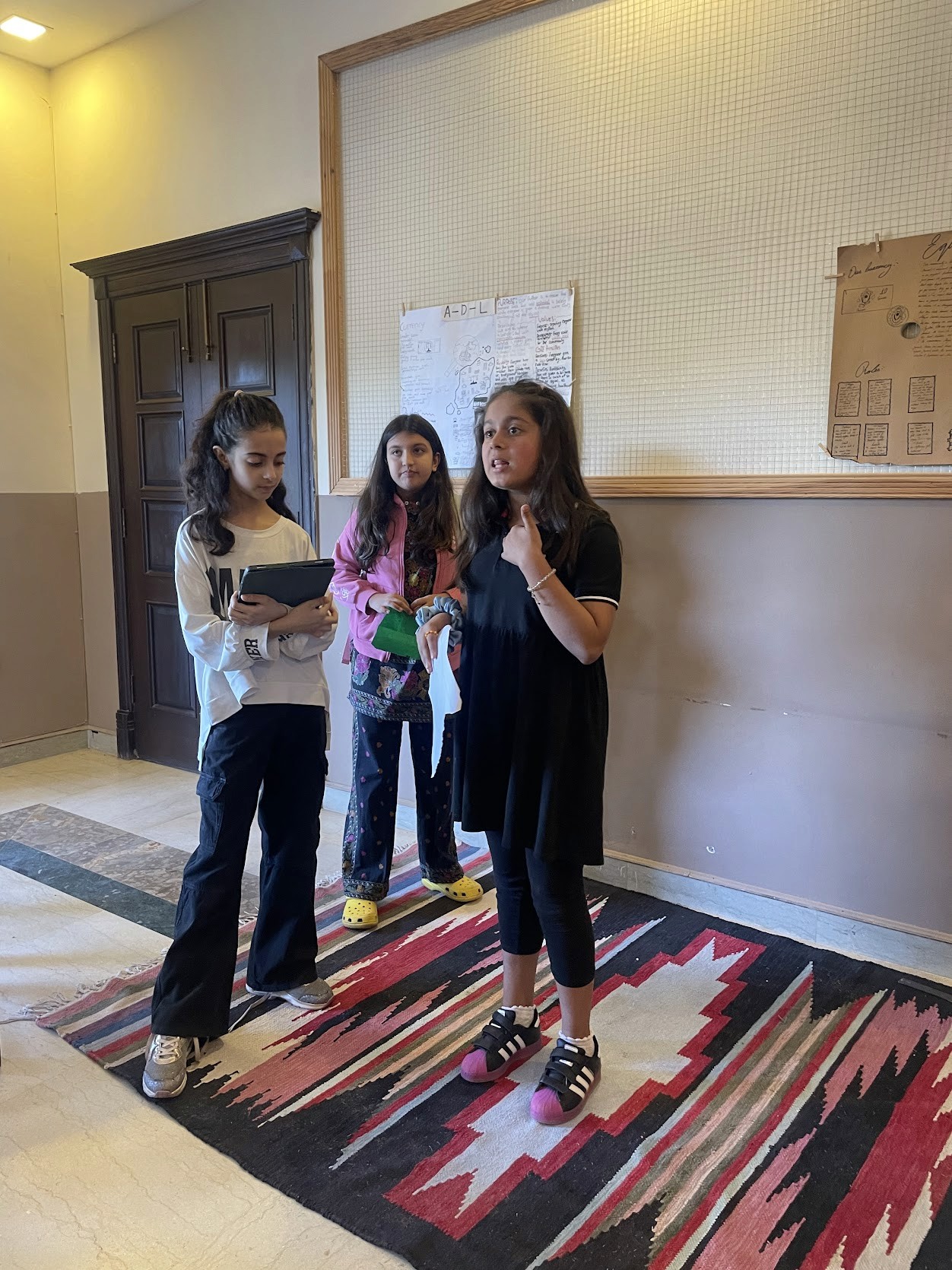
What it develops
Autonomy with accountability
Self-paced learning builds independence, ownership, and seriousness. Children learn to work with increasing agency while still being held carefully by teachers who know them well.
What do students say
Teacher Led Learning
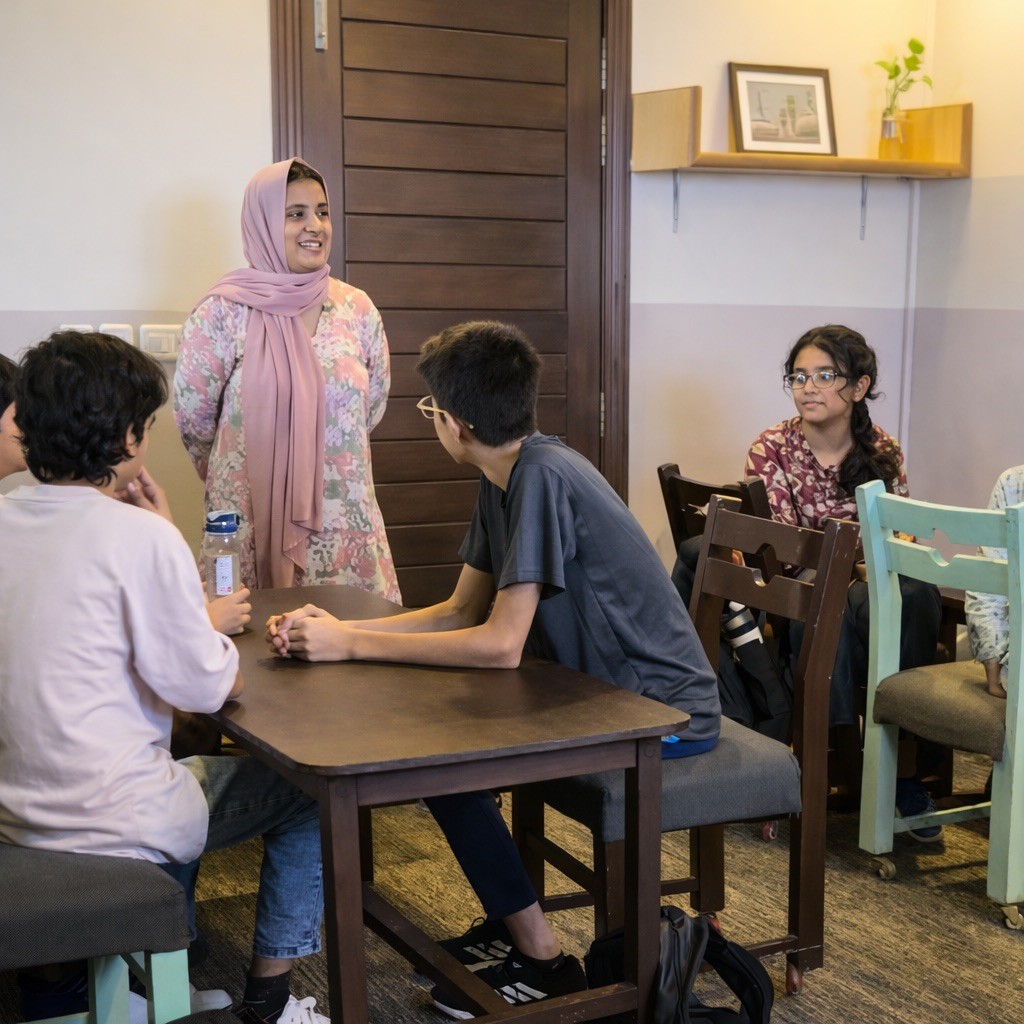
A rigorous pathway for children who do best with structure, direct instruction, and clear benchmarks. It offers a more guided route through the curriculum.
How it works
Structure that supports progress
This pathway is teacher-directed, with structured classes, regular class assessments and grade level progression.
Why it exists
Some children need visible shape
This pathway suits children who work best with external structure, direct explanation, and the reassurance of a clearly defined academic route.
What it offers
Clarity, steadiness, momentum
Teacher-led learning gives children the stability of routine, and the confidence that comes from knowing exactly what is expected of them.
What do students say
A recognised qualification, held in its right place
For families who want to pursue standard academic qualifications, both pathways culminate at O Levels. Children are prepared for that thoroughly. 
But we hold O Levels in their right place: as one measure of one kind of competence, not the definition of a successful education. 
A child is more than an exam result. A school must remember that, even while preparing children well for the qualifications they may need.